Skip to content

Search the blog

Tag: ocrTag: historyTag: halloween
Black cat
Of witches and witchcraftAs we kick off our Halloween celebrations and delve into the history, contained within the newspapers, of witches and witchcraft (and supernatural beings), it is imperative that we preface this — perhaps unnecessarily — with an important disclaimer and reminder: witches, in the sense of practitioners of malevolent powers to do evil works, never existed. Those persecuted during the sixteenth century and onward were, more often than not, local healers and midwives.In 1562, Queen Elizabeth passed the law
Haunted
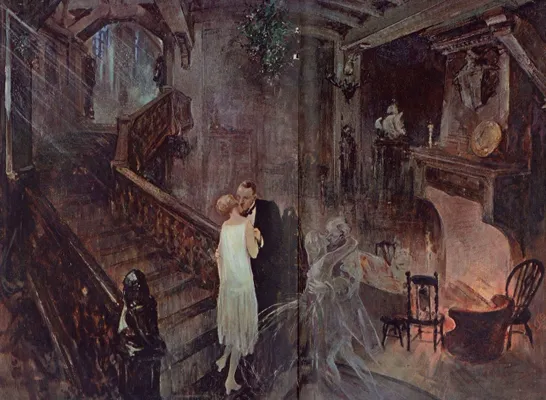
With Halloween approaching, we wanted to see what we could find related to the topic of hauntings in The British Newspaper Archive.Of children and hauntingsOften the origins of a haunting myth are rooted in death and loss. Sometimes the myth grows and morphs to such a point where its origin is indeterminate. Other times, the sad truth of its origin is unexpectedly revealed, as with the ‘grim discovery’ at a ‘haunted house’ in 1921, reported in The Scotsman.This
Britain’s favourite horticultural happening is right around the corner once again. The RHS Chelsea Flower Show begins on 23 May and will be held in the grounds of the Royal Hospital, Chelsea, for the 105th time. To celebrate, we’re showing you exactly how to go about unearthing newspaper stories on the Flower Show, and other long-running events, using our ever-growing Archive.Register now and view 3 pages for FREESearching for an event in the Archive is much like searching for a
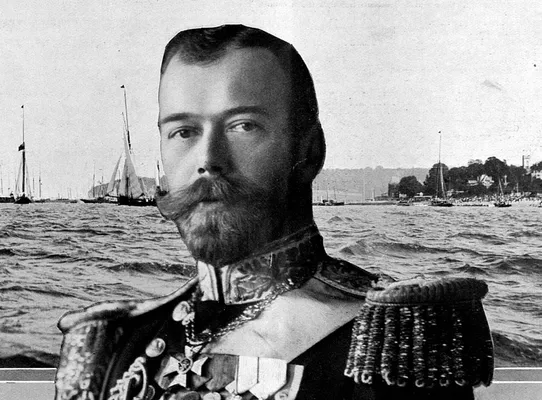
On 15 March 1917, amid the chaos and fury of the Russian Revolution, Tsar Nicholas II, Emperor of all Russia, abdicated from the throne and ended 300 years of Romanov rule.  Russians of all classes were on the streets of Petrograd (formerly known as St Petersburg), and Nicholas’ own military had joined the ranks of protestors.  How did this monarch fall and a dynasty end?  On the anniversary of Tsar Nicholas’ abdication, we will take a look through the British Newspaper Archive at
The British Newspaper Archive brings you news from India, China, and further East during the height of the British Empire.  The Homeward Mail from India, China and the East was first published in 1857 by Messrs. Smith, Elder, & Co. and provided Britain with news from its colonies in the East.  The publishing company also produced the first Dictionary of National Biography and worked with major authors such as Charlotte Brontë, George Eliot, Alfred Tennyson, and Arthur Conan Doyle.  Along with The
After the Battle of Jutland, Admiral Jellicoe sent this message to his Fleet, as recorded in the Cornishman on the 15th June 1916:“I desire to express to the flag officers, captains, officers and men of the Grand Fleet my very high appreciation of the manner in which the ships fought during the action of May 31, 1916.At this stage, when full information is not available, it is not possible to enter into details, but quite sufficient is already known to enable
Midsummer's Night Dream illustration
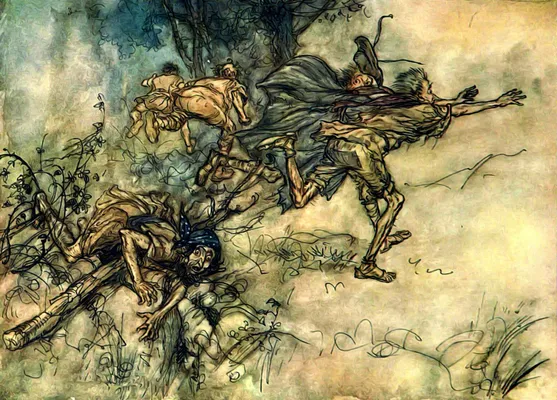
Countless celebrations are taking place across the country to commemorate the 400th anniversary of William Shakespeare’s death. Wherever you live, you’ll find parades, talks, and performances of all kinds paying homage to the Bard’s work, but it was a very different story 100 years ago.Search the newspapersOn the tercentenary of Shakespeare’s death in 1916, Britain had found itself in the middle of one of the most horrific battles in history. While the odd commemorative event took place in larger cities,
Titanic startling news
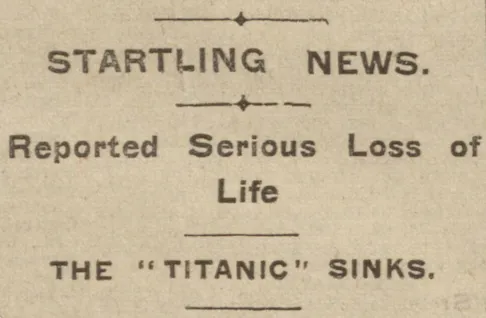
At 11:40 pm on 14 April 1912, the RMS Titanic, which had been transporting 2,208 people from Southampton to New York, hit an iceberg while crossing the North Atlantic ocean.Search the newspapersOver the course of the next few days the British press was littered with conflicting news and information, with statements claiming that all passengers were safe and the ‘unsinkable’ ship had started making its way to Halifax.The Western Times had quite a job keeping up with the latest reports. A
While researching her new book Regency Spies (published by Pen & Sword this month), Sue Wilkes uncovered the story of a desperate plot to kill George III and overthrow the British government…Colonel Despard (1751–1803) has gone down in history as the leader of a wildly impractical, hopeless scheme. Despard was the leader of a group known as the United Britons, which had links with rebel Irishmen. Unfortunately for their plans, some members of the group were government spies, who reported their
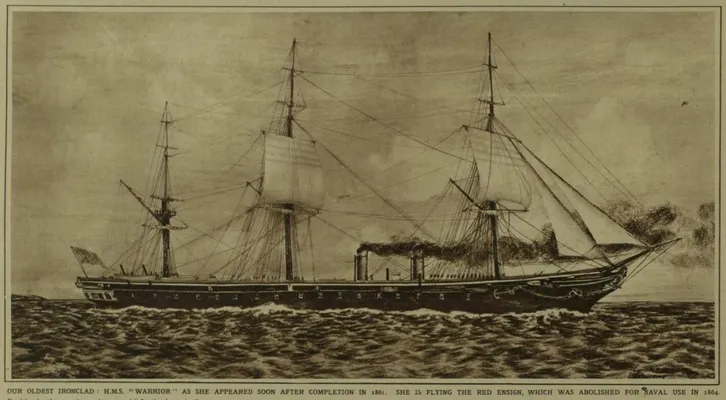
HMS Warrior
‘A black vicious ugly customer as ever I saw, whale-like in size, and with as terrible a row of incisor teeth as ever closed on a French frigate’ – Charles DickensHMS Warrior, the Royal Navy’s first ocean-going ironclad warship, was launched in London on 29 December 1860. Included below is a report of the launch that was published in the Liverpool Daily Post of 31 December 1860 and an illustration of the vessel as she appeared just after completion.