Skip to content

Search the blog

Tag: ocrTag: 1920sTag: 1930s
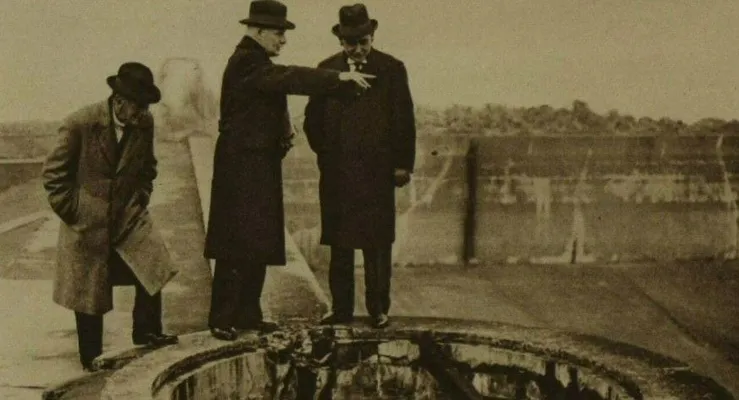
In late 1937 in the borough of Croydon, South London, people began to fall ill with typhoid. Typhoid is a disease that is associated with contaminated water and outbreaks of the illness, at least in the United Kingdom, is something that we might associate today with the nineteenth century, before an age of improved sanitation and safe supplies of drinking water.And so, in this special blog, we will take a look at how the Croydon typhoid epidemic gradually unfolded, as
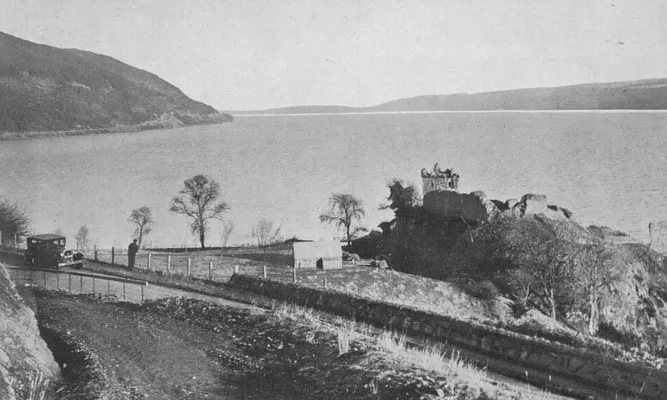
In early May 1933 reports that some kind of monster had been spotted in Loch Ness, in the Scottish Highlands, near Inverness, reached the press. By the end of the year, national weekly publication The Sphere wrote:When the Loch Ness monster first came into the news many believed that the stories published in the Press were nothing more than mere sensationalism. To-day this theory does not hold good. People, whose judgement can be relied on, have seen the ‘monster,’ and
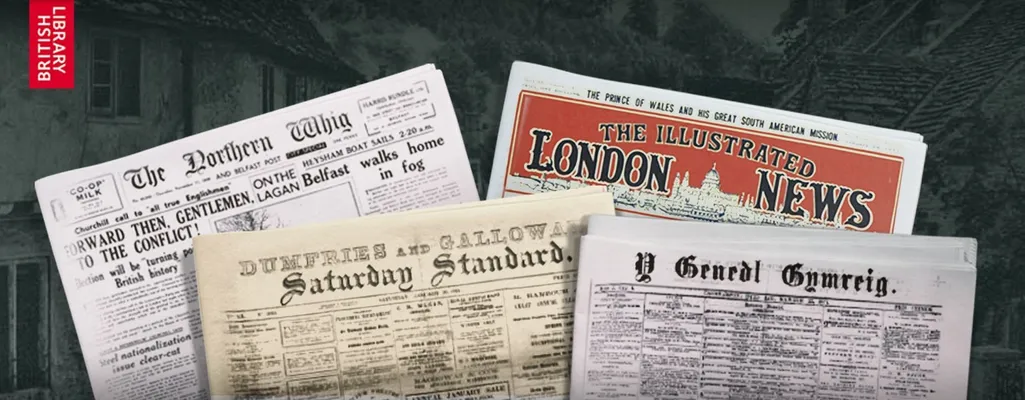
This week at The Archive has been an extremely busy one as ever – we have added 199,897 brand new pages as we continue to augment our collection of newspapers from across the United Kingdom and Ireland. Over the past seven days alone we have added seven brand new titles, from Finchley to Liverpool, from Glasgow to Skegness, whilst we have updated nineteen of our existing titles, with significant additions to some of our Nottinghamshire titles.So read on to discover more
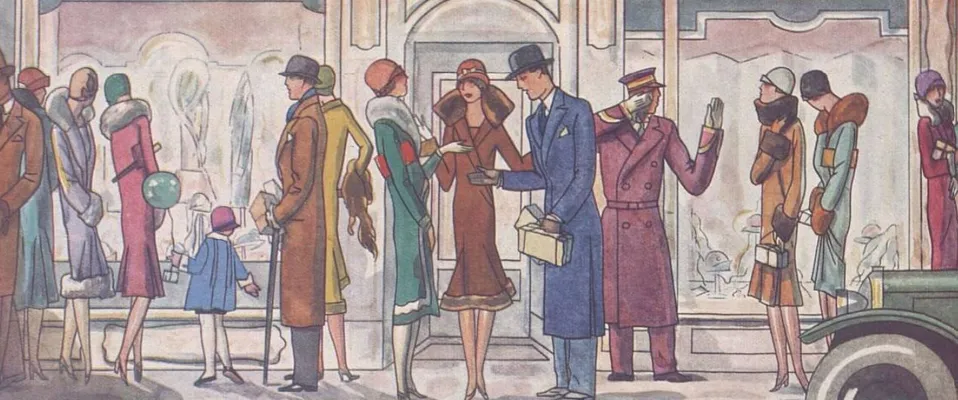
Imagine yourself back in December 1925, with Christmas fast approaching, in London where:All the pavements are alive this week with purchasers moving in ceaseless procession from window to window as they search for the particular Christmas gift for the particular person who is to receive it. They wander down street after street, for London nowadays is the finest city in which to purchase a gift – humble, rich, or rare – that the world knows.It’s time for Christmas shopping, and there’s
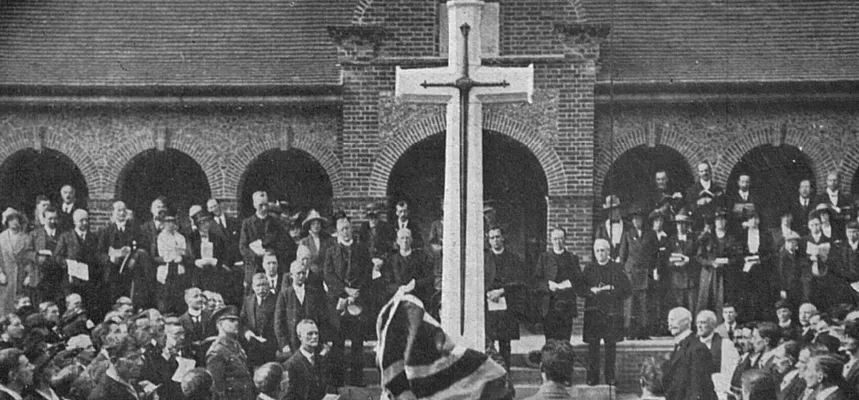
By November 1920, some ‘three millions of money‘ had been spent on ‘memorials of various kinds and designs…in the United Kingdom,’ as reported the Milngavie and Bearsden Herald. In today’s money, that’s roughly £87,000,000 – the equivalent of £2 donated by every person in Britain.The strength of the nation’s desire to remember their war dead is manifested in these memorials, as the population struggled to come to terms with the great losses suffered during the First World War, in which 744,000 men lost their
This week at The Archive we have added 99,778 brand new pages, with seven brand new special interest titles joining our collection over the past seven days, which provide an incredible snapshot of early twentieth century culture. From cars to yachts, from movies to the modern man, our new titles this week furnish an exciting panorama of what life was like over one hundred years ago.Meanwhile, we have extensive updates to some of our existing titles, with over 50,000 pages being
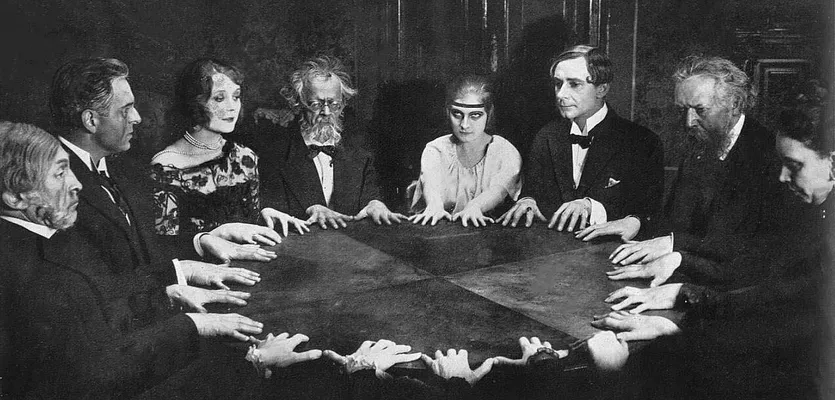
…the credence in the phenomena of Spiritualism is very general. In fact, it is popular. Belief is common. It is widespread. It exists amongst all sorts of people, from the highest to the lowest. You find it in Mayfair and you find it in the remotest village.from ‘The Popularity of Spiritualism,’ The Globe, 29 December 1919By the end of 1919, belief in Spiritualism was ‘spreading like wildfire.’ Spiritualism is defined as a relatively modern religion that is based on the beliefs
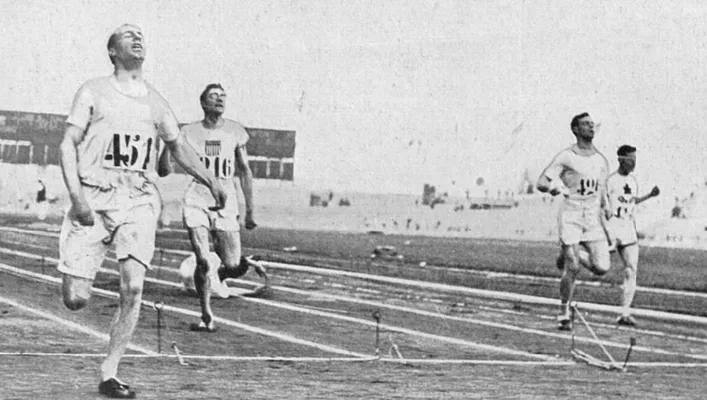
Nearly one hundred years ago athletes Harold Abrahams and Eric Liddell took the Olympic Games and the world by storm, their heroics on the track immortalised in the 1981 film Chariots of Fire.But how were Abrahams’s and Liddell’s record-breaking feats reported on in the newspapers of the time? Were they celebrated in, say, the same way we celebrate our sporting heroes of today? In this special blog, we will explore the headlines behind the real Chariots of Fire, and in
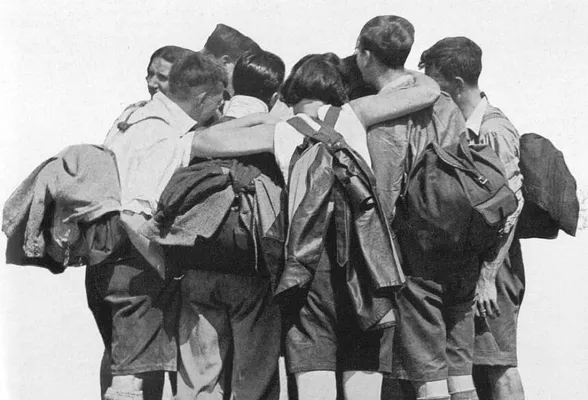
The popularity of walking or ‘hiking,’ as it is termed, is amazingly on the increase. ‘Sabbath day journeys’ are undertaken by the youth of both sexes, armed with knapsacks. Starting from Waterloo to the Surrey hills and commons, where they walk, either in clubs or in private companies, or alone, all day, to return by train at night.So relates The Sphere in the September of 1930 in an article entitled ‘Knapsackery on the Surrey Hills.’ Regarded as the ‘Phenomenon of
This week at The Archive we have added a century’s worth of news, spanning the headlines from 1864 to 1964. We have added 90,176 new newspaper pages in all, with six brand new titles joining us from England and Wales over the past seven days.So read on to discover more about our new titles, from Hastings to Harborne, from Neath to Stockton, as well as to find out which of our existing titles we have updated during the past week. Using our