Skip to content

Search the blog

Tag: murderTag: blitzTag: literature
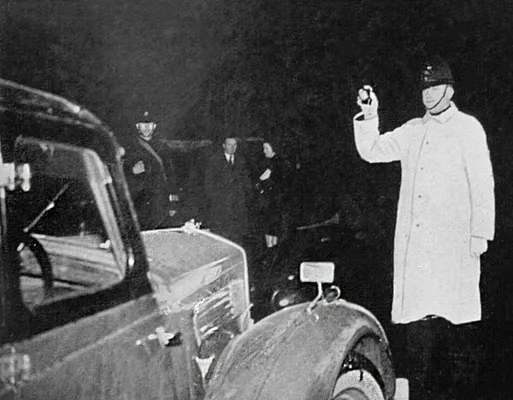
A walk along Piccadilly in the black-out is one of the many queer experiences of this war. The once brilliant centre of London’s night life is now as dark as any forest, and indeed, like a forest, the darkness is full of rustlings and whisperings, of half-seen shapes, and of a sinister feeling of eager, but invisible, life.So began a Daily Herald article on blackout crime in London during the Second World War. With blackouts imposed across the United
This week at The Archive we have been busy adding new pages from Bracknell to Bristol, from Cambridge to Chester, from Newcastle to Nottingham, from Scunthorpe to Staffordshire. In fact, we’ve added 134,187 brand new pages to our collection this week, covering over 170 years of headlines, from 1821 all the way through to 1997.We’re delighted to announce that two brand new titles have joined us over the past seven days, and they hail from Nottingham and from Somerset respectively. Meanwhile, we’ve updated
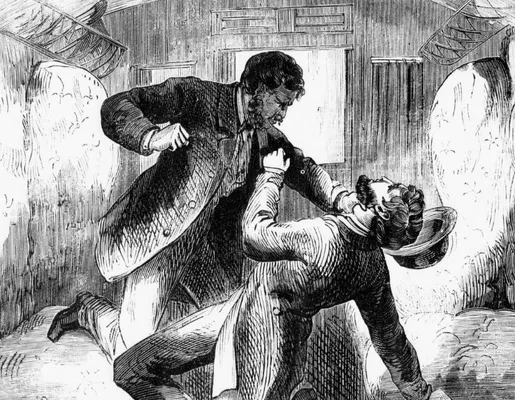
Long before Agatha Christie envisioned murder on the Orient Express, or before she wondered what might have taken place on the 4.50 from Paddington, murder, mystery and mayhem were already well established on the railways of Britain and beyond.The first victim of murder on British railways was 70-year-old Thomas Briggs. In this special blog, we will take a look at his story, as well as nine others sourced from the pages of our newspaper Archive, which tell the strange, the
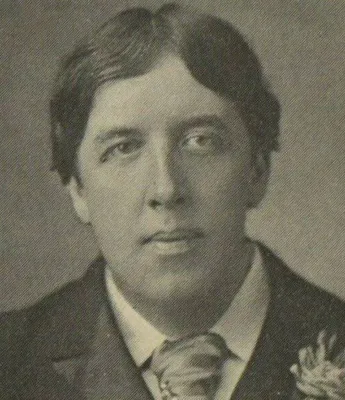
On 1 December 1900 the Sunderland Daily Echo and Shipping Gazette reported on ‘The Death of Mr Oscar Wilde:’The Paris correspondent of the Dublin Evening Mail telegraphs that Mr Oscar Wilde died yesterday at three o’clock in the Latin Quartier. He had been suffering for some time. Two days ago he became unconscious. Six weeks ago he underwent an operation, which appeared to have been successful, but a complication which followed proved fatal.The death of the poet, playwright and novelist
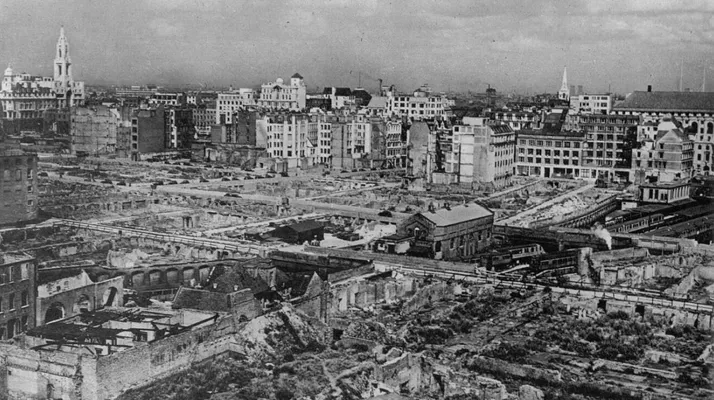
In the decade after the Second World War had come to an end, and indeed beyond, many communities across the United Kingdom were faced with very vivid reminders of the conflict: bomb sites, the country’s ‘war scars.’In this blog, we will examine how people in Britain lived alongside bomb sits in the 1950s, using newspapers taken from The Archive. We will explore how communities adapted to live beside bomb sites, and how they transformed them into gardens and playgrounds.
This week we are delighted to welcome 69,150 brand new pages to The Archive, with the addition of one very special brand new title from London. Meanwhile, we have updated twelve of our existing titles, with updates to our newspapers from Scotland, Wales and England, as well as to one our of special political titles.Meanwhile, this week marks 125 years since writer Oscar Wilde was released from prison, having been sentenced to two years’ hard labour for ‘gross indecency’ in 1895. So
This week at The Archive we are delighted to announce that we now have 42 million pages available to search, with our current total having hit 42,089,096 pages.In this last week alone we have added 112,706 brand new pages, with seven brand new titles joining us from England and from Wales. In all, we have added 161 years’ worth of headlines. Read on to discover the treats we have in store for you – from new titles from the West Country, to a day
This week at The Archive we have added nearly 180 years of historic headlines, with 167,302 brand new pages joining us, spanning the years 1820 all the way through to 1999. We have four very exciting new titles joining us this week too, with additions to our collection of international newspapers, as well as to our Irish and national holdings.Read on to discover more about our new titles, the updates we have made to our existing publications, as well as one of the
This week the presses continue to whir, and we have added 129,872 brand new pages to our collection. Our additions this week are to Britain’s longest-running tabloid newspaper the Daily Mirror, to which we have added over 100,000 colour pages spanning the years 1923 through to 1986, and to the Glamorgan Gazette, which covers the central Glamorgan area. Founded in 1894, it continues to be published to this day.Register now and explore the ArchiveFor anyone with an interest in crime history, the British
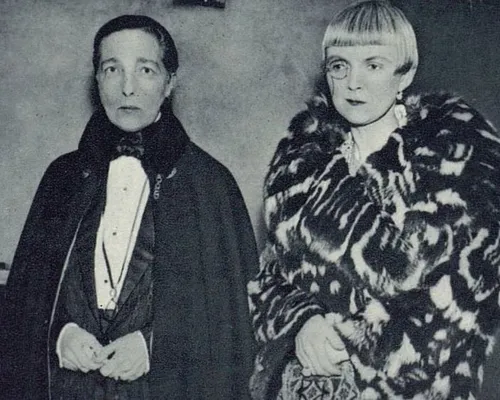
In 1928, novelist Radclyffe Hall published her seminal LGBTQ work The Well of Loneliness. Following the story of Stephen Gordon, an upper-class woman who finds love with one Mary Llewellyn and is consequently shunned by society, the work was groundbreaking in its lesbian subject matter.Radclyffe Hall | Graphic | 30 April 1927Although it was received favourably by many publications including the Daily Herald and Lady’s Pictorial, Sunday Express editor James Douglas began a campaign on 18 August 1928 to have Hall’s book banned – naming The