Skip to content

Search the blog

Tag: liverpool-echoTag: traditions
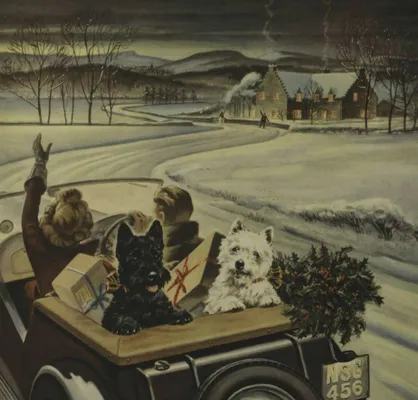
On Christmas Day 1906 the city of Sheffield in the north of England saw the ‘heaviest Christmas snow for 25 years,’ as the Sheffield Daily Telegraph reports:On the evening of Christmas Day the snow began to fall, and yesterday morning the city was covered in a beautiful mantle of the purest white. Snow lay on the ground to the depth of about six inches, and, except in the streets, so remained until last night, when there was a further fall.Long
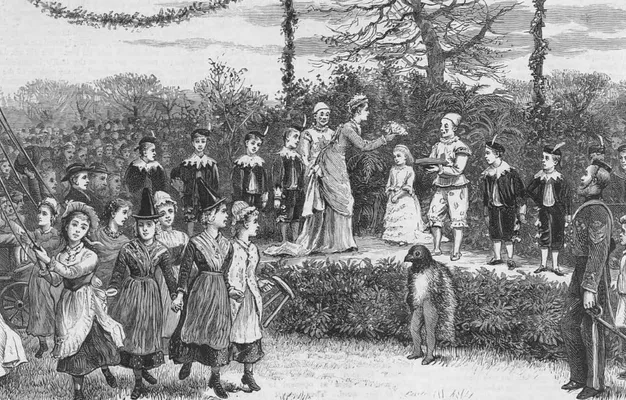
In this special blog we use the remarkable photographs and illustrations contained in our Newspaper Archive to trace the tradition of the May Queen over one hundred and fifty years, as well as exploring the origins of this fascinating ritual.We start out at Wymering, just outside of Portsmouth, in 1867. It was here, in the ‘latter part of the month of merrie May’, that a May Queen was crowned. The Illustrated Times tell us that the event is looked forward
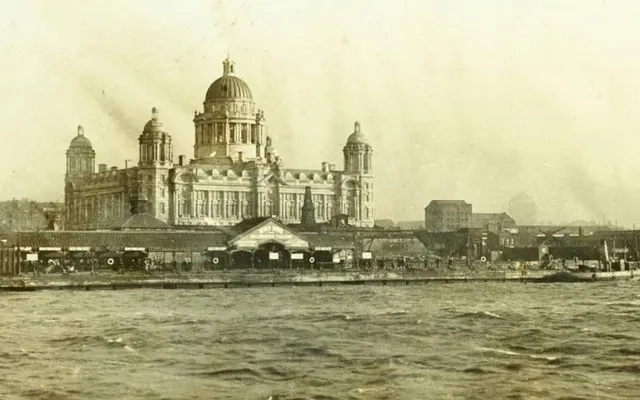
The British Newspaper Archive holds over 70,000 pages from Liverpool newspapers (and counting), making it an unrivalled resource when it comes to tracing the history of the city and its surrounding areas.Register to View Liverpool NewspapersOur clever search tools allow you to focus your search by looking at papers from Liverpool only and offer the ability to narrow by date, recent additions and more.To focus in on Liverpool titles only, while searching, use the place filter to select
Black cat
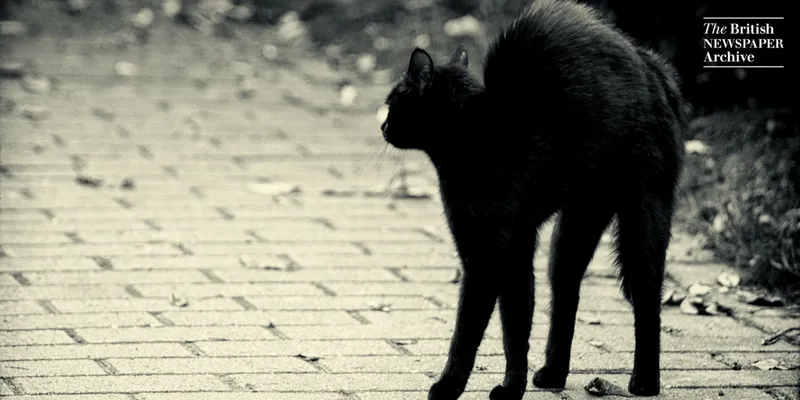
Of witches and witchcraftAs we kick off our Halloween celebrations and delve into the history, contained within the newspapers, of witches and witchcraft (and supernatural beings), it is imperative that we preface this — perhaps unnecessarily — with an important disclaimer and reminder: witches, in the sense of practitioners of malevolent powers to do evil works, never existed. Those persecuted during the sixteenth century and onward were, more often than not, local healers and midwives.In 1562, Queen Elizabeth passed the law
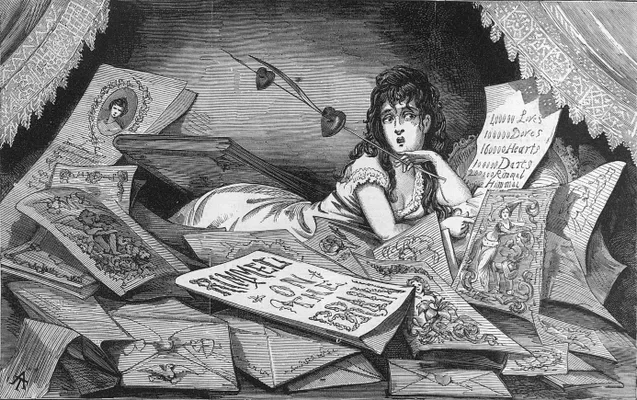
Valentine’s Day in its present iteration is inexorably linked to both romantic love and commercialism. It inspires strong feelings, both for and against this day of chocolate boxes and heart-shaped cards. However, the day and its traditions have not been static. In performing a simple search for ‘Valentine’s Day’ on The British Newspaper Archive, you can start to see the ways in which the holiday — and its reception — have changed (and, occasionally, stayed the same) over the years.An 1845 description
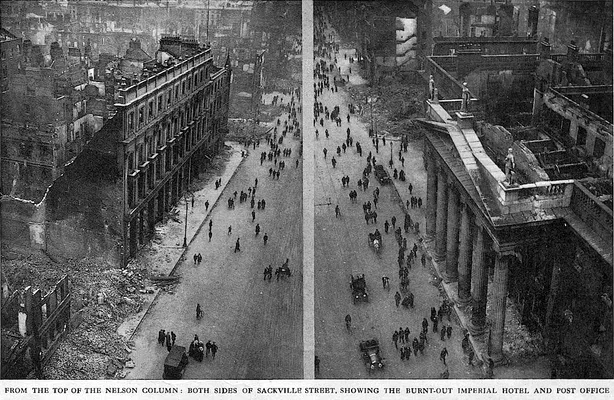
Next month sees the marking of the 100th anniversary of the Easter Rising. Irish nationalists headed a campaign to end British rule in Ireland during a time when the outcome of World War 1 was uncertain. We take a look at how the events of 1916 were documented in the British press at the time.Search the newspapersNews of the Rising started to filter through to the British newspapers on Tuesday, 25 April 1916. A smattering of local papers managed to squeeze in
You can search more than 390,000 newspaper pages from 1914-1918 at The British Newspaper Archive, with more being added all the time. Juliet Greenwood got in touch to explain how she used the collection to research World War One recipes for her novel, We That Are Left.**************When I first began writing a novel set during the First World War, I knew I wanted to focus on the experience of women and civilians.For Elin, the heroine of We That Are Left,
On 29 June 1914, Khioniya Guseva attempted to assassinate Grigori Rasputin in the monk’s home village of Pokrovskoe Selo in western Siberia.You’ll find a number of newspaper reports about the attack in The British Newspaper Archive.Read reports about RasputinGuseva’s attempt to murder Rasputin Although the facts of the attack are unclear, it’s said that Guseva stabbed Rasputin either as he left church or while he was reading a telegram outside the post office.Althought Guseva’s attempt to murder Rasputin