Skip to content

Search the blog

Tag: canadaTag: manchesterTag: blitz
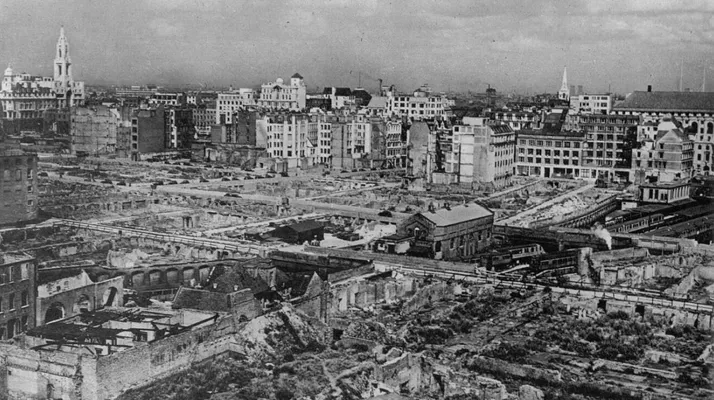
In the decade after the Second World War had come to an end, and indeed beyond, many communities across the United Kingdom were faced with very vivid reminders of the conflict: bomb sites, the country’s ‘war scars.’In this blog, we will examine how people in Britain lived alongside bomb sits in the 1950s, using newspapers taken from The Archive. We will explore how communities adapted to live beside bomb sites, and how they transformed them into gardens and playgrounds.
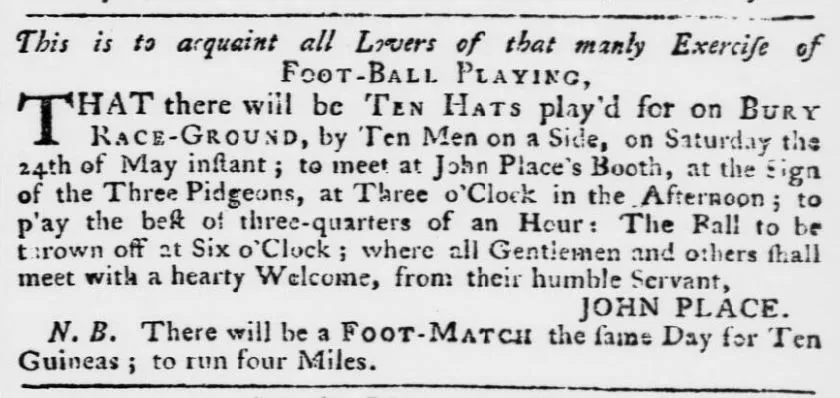
Bedford, November 1726 – On Wednesday the 23d Instant, a most obstinate and hard Match at Foot-ball was play’d near Great Harwood in this County, between 7 Men of the Village of Ranse, and the like Number of Great Harwood; which last had challenged the whole Kingdom to match them. The Contest was so great between them, that one of the Harwood’s Champions dropp’d down dead on the Spot, whose Brother being engaged on the same Side, would not leave off till the
This week at The Archive we have added another 339,307 brand new pages to our collection, with 22 brand new titles joining us this week alone, from England, Wales and Scotland. Meanwhile, we have updated 57 of our existing titles, bringing you a feast of new pages for another week in a row.So read on to discover more about our new titles of the week, which include four Scottish newspapers and regional titles from eight English counties, as well as a special
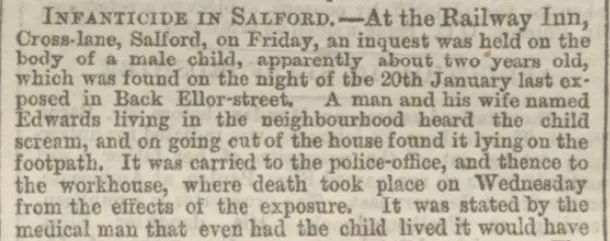
As part of our history of law and crime month on The Archive, we are delighted to featured a very special guest post by author and former probation officer Martin Baggoley, who has written extensively on the history of crime and punishment.In this guest post, Martin describes how he used The Archive to research the tragic topic of infanticide in Victorian Salford, a desperately sad chapter in Britain’s crime history. So read on to discover the methods that Martin
We have had another busy week here at The Archive, where the presses don’t stop whirring! In all, we have added another 98,718 brand new pages, with six brand new titles joining us this week.You’ll find new titles covering both the north and south of England, the south of Wales, and specialist titles that focus on the temperance and trade unionism movements in the Victorian era. So read on to discover more about our very special new titles of the
It’s been another busy week for us here at The Archive as we have added 148,050 brand new pages over the past seven days. We are also delighted to welcome five brand new titles, hailing from Blackpool to Bridgend, from Dorset to Kenilworth, and a very special paper which was aimed at cotton factory workers in Lancashire.So read on to find out more about the Cotton Factory Times, our four other new regional titles, as well as to learn more
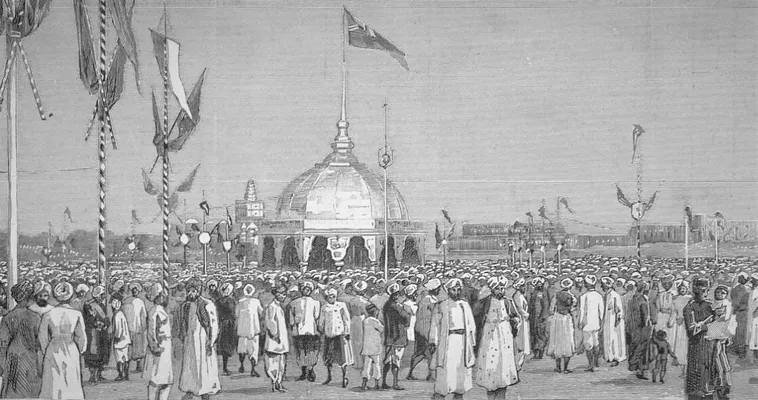
At the British Newspaper Archive, we have started to digitize international newspapers from the British Library.  These rich titles explore the story of the British Commonwealth, from the time when the sun didn’t set on the British Empire through to states gaining their independence.   At times, the subject of the newspapers brings us face to face with the stark and sometimes inhuman reality of colonialism and the legacy of the British Empire across the world.Below we will explore some
This week at The Archive we have been as busy as ever adding new pages and new titles to our collection. In all 106,730 brand new pages have joined us, as we welcome a bumper crop of ten brand new titles from across the British Isles and Ireland – including what might very well be Wales’s first ever newspaper, and the beginnings of a famous national newspaper.Read on to discover more about this week’s exciting new additions!Register now and explore
This week we have added 80,888 new pages to The Archive – and this week sees a distinctly Canadian flavour, as we have added three new historic titles from across the pond, numbering nearly 50,000 pages and spanning the years 1875 to 1920. Slightly more closer to home, we are delighted to have added the Dudley Chronicle, a Worcestershire weekly representing the local news of the large industrial market town.Dudley Chronicle | 12 February 1910Register now and explore the ArchiveMeanwhile, we continue to strengthen our
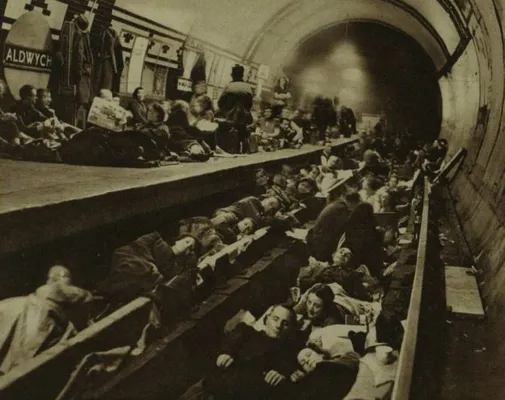
When the Blitz began on 7 September 1940, ‘It was the people of London who took command…Men, women, and children went straight to the safest place they could think of – the Underground stations.’In this special blog, over 80 years after the beginning of the Blitz, we take a look at how London’s main transport system – the Underground –  became a popular place of shelter for those seeking protection from the German bombing campaign, using an assortment of articles and photographs all to be