Skip to content

Search the blog

Tag: blitzTag: suffragettesTag: scotland
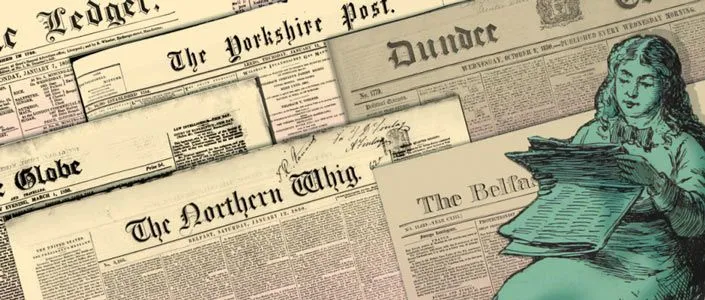
With the next census fast approaching in England and Wales, we thought we’d delve into the history of the census, and the changing attitudes towards it from its inception in 1801 and throughout the nineteenth century.From initial fears and suspicions, to feelings of pride and honour, our newspapers chart the evolving attitudes to the modern British census, and how it was depicted in popular culture, in poetry, illustrations and even on the stage.So read on to discover more about
This week we have added 88,734 brand new pages to The Archive. We are delighted to welcome a trio of new Scottish titles, as well as updates to eight of our existing titles.We bring you new publications this week from three corners of Scotland. First up, we have added the Kilmarnock Herald and North Ayrshire Gazette, a weekly local newspaper published every Friday in the historic burgh of Kilmarnock. Kilmarnock has many claims to fame; it was where Robert Burns’
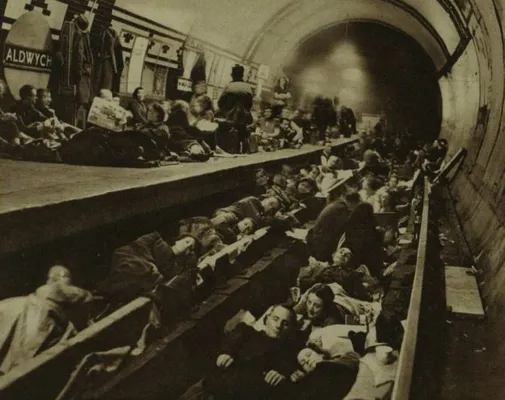
When the Blitz began on 7 September 1940, ‘It was the people of London who took command…Men, women, and children went straight to the safest place they could think of – the Underground stations.’In this special blog, over 80 years after the beginning of the Blitz, we take a look at how London’s main transport system – the Underground –  became a popular place of shelter for those seeking protection from the German bombing campaign, using an assortment of articles and photographs all to be
Scotland
Using newspapers for your Scottish genealogy researchDo you find yourself daunted at the prospect of researching your Scottish ancestors? Keep the heid! There exists a fantastic array of records that can get you further along in your family history research. The main problem, however, is access. Much of what exists has not been ditigised, and for those that have been, many are not indexed. It is overwhelming figuring out where to search and what records, if they were created,
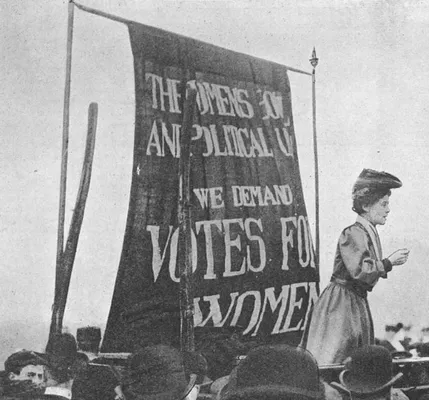
This past week we released 105,098 pages to The Archive.  In time for International Women’s Day we are thrilled to add nine new titles to our Suffragette Collection.  We have also  updated four existing titles including The Globe for which we now have editions spanning 1804 to 1921, and our recently added Scottish title The North Star and Farmer’s Chronicle for which we now have a run from 1893 to 1911.Our new titles represent the full spectrum of the feminist and suffrage movements, from
Alice Maud Mary Arncliffe-Sennett was an energetic militant suffragette, determined to fight for women’s suffrage even if that meant getting arrested and going against prominent leaders such as Emmeline Pankhurst and Milicent Fawcett.  Through the newspapers, we can find details about Arncliffe-Sennett’s life, career, and activism.Alice, or Maud as she was often called, lived in London and worked as an actress.  Her stage name was Mary Kingsley.  Here is a review by The Era of her performance as Lady
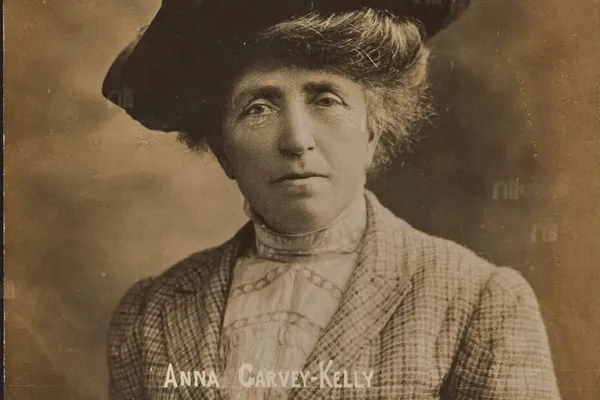
This year, in recognition of the centenary of the Representation of the People Act 1918, we will showcase the lives and activities of women involved in the Suffrage movement of the late nineteenth and early twentieth century.Despite making headlines for their activities many of these women are now forgotten.In this blog post we will revive the memory of Irish Suffragette, Anna Garvey Kelly, whose support of the cause of Suffrage saw her spend a month in Holloway prison in
American troops
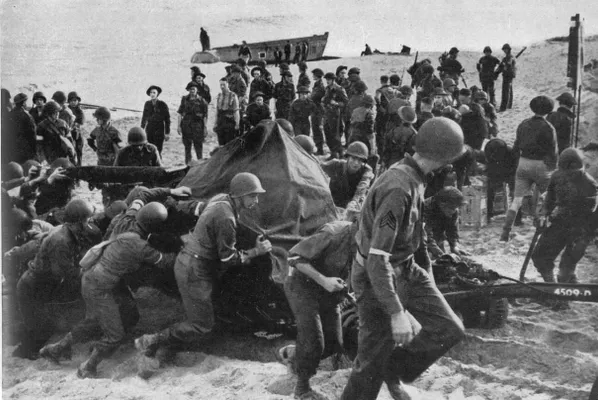
In honour of Remembrance Day, during the month of November, The British Newspaper Archive will be focusing our attention on military in the newspapers.  Coming up this month we will feature blogs about our special military titles, researching military history, women and war, and wartime rationing and fashion, as well as a guest blog about a remarkable Great War discovery from The Archive.  To begin our military month, we are delving into the newspaper headlines through the years for the
Haunted
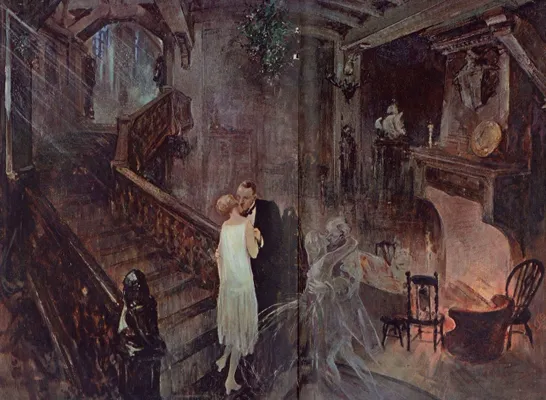
With Halloween approaching, we wanted to see what we could find related to the topic of hauntings in The British Newspaper Archive.Of children and hauntingsOften the origins of a haunting myth are rooted in death and loss. Sometimes the myth grows and morphs to such a point where its origin is indeterminate. Other times, the sad truth of its origin is unexpectedly revealed, as with the ‘grim discovery’ at a ‘haunted house’ in 1921, reported in The Scotsman.This
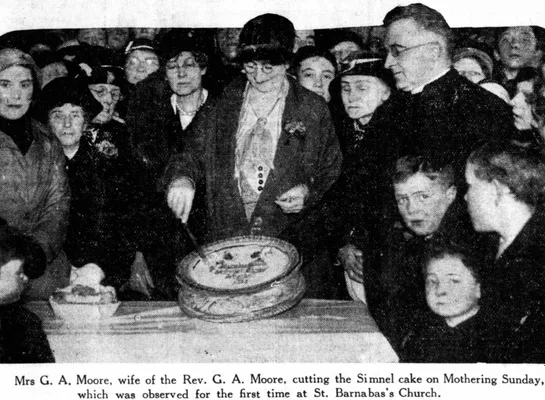
Whilst Mothering Sunday is now commonly combined and celebrated with the secular holiday of Mother’s Day in the United Kingdom and Ireland, its origin is religious in nature and separate from that of the American Mother’s Day.Starting in the 1700s, individuals would attend a special service on Laetare Sunday (the fourth Sunday of Lent) at their mother church (usually the church where an individual was baptised or their local parish church/closest cathedral). This activity was soon coined as going