Skip to content

Search the blog

Tag: blitzTag: murderTag: poetry
This week the presses continue to whir, and we have added 129,872 brand new pages to our collection. Our additions this week are to Britain’s longest-running tabloid newspaper the Daily Mirror, to which we have added over 100,000 colour pages spanning the years 1923 through to 1986, and to the Glamorgan Gazette, which covers the central Glamorgan area. Founded in 1894, it continues to be published to this day.Register now and explore the ArchiveFor anyone with an interest in crime history, the British
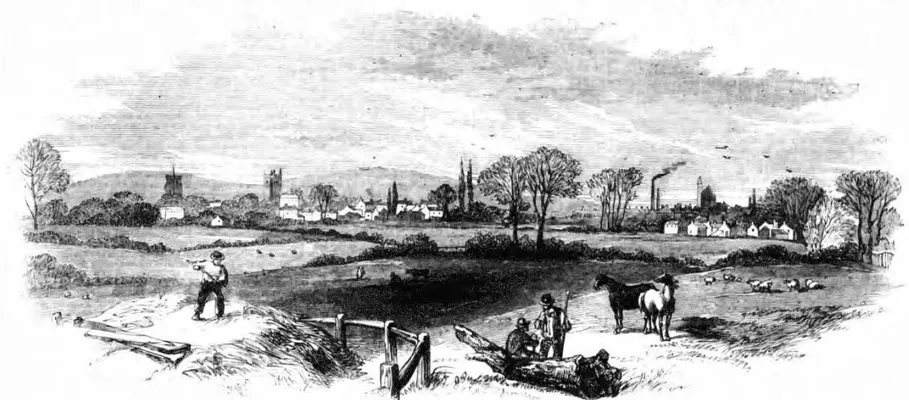
‘No more thrilling a tale of guilt and crime, and scarcely one so eloquent in its lessons and cautions to those who are in danger of entering upon a life of unbridled passion, is to be found in all the history of poor humanity than this story of William Palmer.’So reads an article in the Sheffield Independent, 17 September 1888, regarding one William Palmer, better known as the Rugeley Poisoner. William Palmer, a former doctor, was convicted in 1856 for the murder
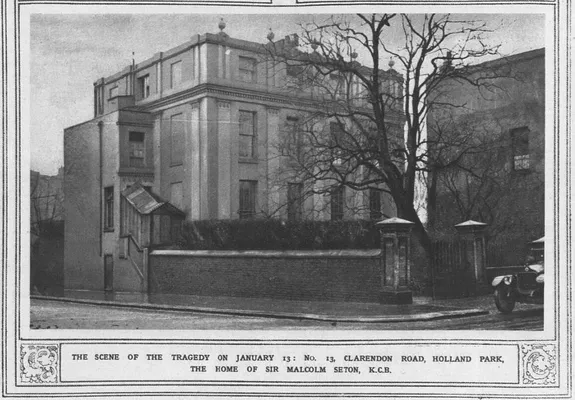
In 1919 the country was shocked by a high society murder – dubbed the ‘West End Tragedy.’ Major Miles Seton, of the Australian Medical Corps, was shot and killed by Lieutenant-Colonel Norman Rutherford, a British army doctor, in the palatial surrounds of a Holland Park address.Using articles and photographs from the pages of the British Newspaper Archive, we explore this sad crime, which took place just a few months after the end of the First World War.Want to learn more?
This week on The Archive we have added 20,428 brand new pages, encompassing seven new titles, which cover England and Wales, as well as a brand new title from Jamaica, a first for the British Newspaper Archive.Register now and explore the ArchiveWe have three new titles joining us this week from Yorkshire, strengthening our collection of newspapers from England’s largest county. We have two new titles from the West Yorkshire town of Batley, including the Batley Reporter and Guardian,
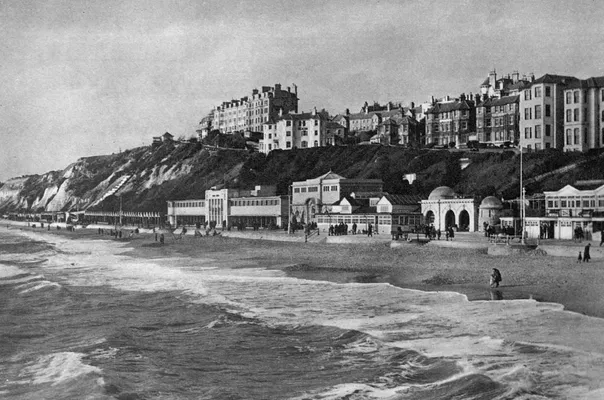
In March 1935 the seaside resort town of Bournemouth was shaken by a sensational murder. Retired architect Francis Mawson Rattenbury, aged 67, was found dead at his home, Villa Madeira, on Manor Road. Accused of his murder were his younger wife Alma Rattenbury, and her lover, 18-year-old gardener George Stoner.This case would end in further tragedy, and in this special blog, using pages from the British Newspaper Archive, we explore how murder came to the genteel town of Bournemouth in the
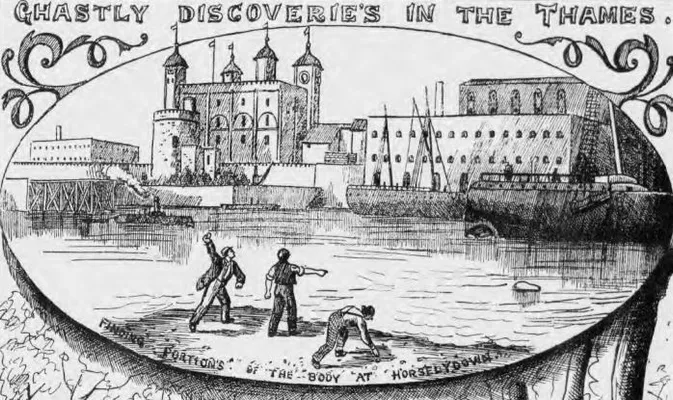
Pages from the British Newspaper Archive abound with reports of crimes and their perpetrators, and some of the most intriguing of these are the UK’s unsolved murder cases, where a verdict of ‘murder by person or persons unknown’ has been reached.In this special blog, we explore five of the most notorious unsolved murders from UK history, ranging from the Thames mystery of the late 1880s, which came to be overshadowed by the Jack the Ripper killings, to the strange
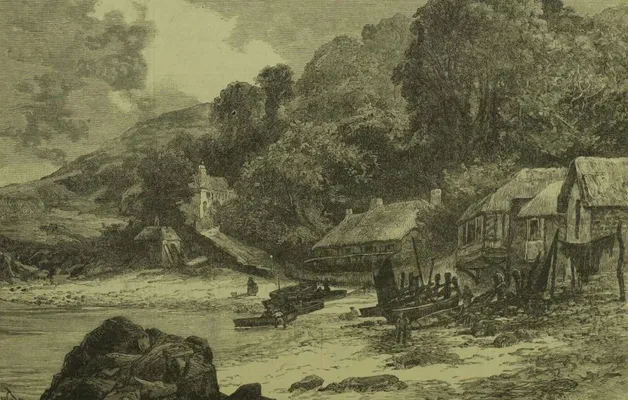
In this special blog, using pages from the British Newspaper Archive, we take a look at one of the most notorious murders of the nineteenth century, that of Miss Emma Ann Whitehead Keyse, and the surprising fate that awaited her accused murderer, John Lee.Want to learn more? Register now and explore The ArchiveEmma Keyse was around the the age of sixty-eight, and lived in Babbacombe, just outside of Torquay, Devon. She was apparently a former lady-in-waiting to Queen
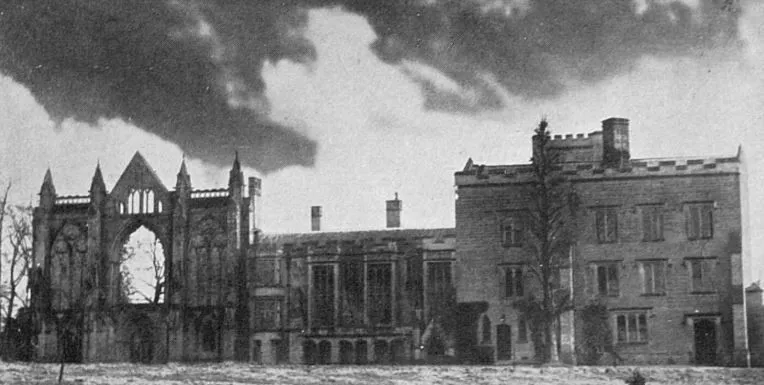
THROUGH thy battlements, Newstead, the hollow winds whistle;Thou, the hall of my fathers, art gone to decay;In thy once smiling garden the hemlock and thistleHave choked up the rose which late bloomed in the way.So wrote the poet Lord Byron, inspired by his ancestral home of Newstead Abbey. Using pages from the British Newspaper Archive, this blog will explore Byron’s affinity with the ancient building, and how Newstead Abbey beat the odds to survive until the
This week we have added 70,450 new pages to The Archive, with two new and very important titles joining us from home and abroad.We have added an extensive run of pages to the Westminster Gazette, which was seen by some as ‘the most powerful paper in Britain.’ Established in 1893 by E.T. Cook, the Westminster Gazette was a liberal newspaper, which found its audience in London’s gentlemen’s clubs and was consequently known as a ‘clubland paper.’ Despite this audience being small,
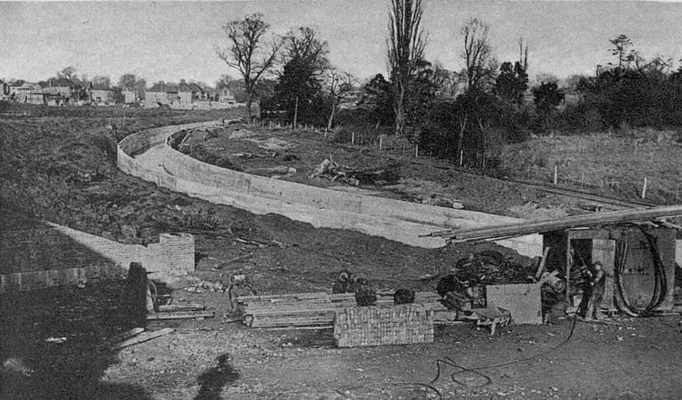
I know a land where the wild flowers grow Near, near at hand if by train you go, Metro-land. Metro-land.The above pre-First World War verse written by George R Sims coined the phrase ‘Metro-land’ – that area of north west of Wembley served by what was then called the Metropolitan Railway, and is now known as the Metropolitan Line.In this blog, using articles found on the British Newspaper Archive, we will explore how the Metropolitan Railway shaped London’s suburbs,