Skip to content

Search the blog

Tag: blitzTag: historyTag: liverpool
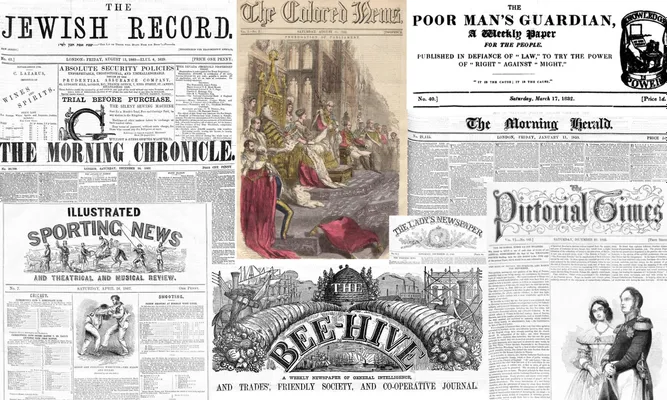
This week at The Archive we are celebrating reaching another incredible milestone – we now have over 45 million pages available to search, with 134,854 new pages being added in the last week alone.If this wasn’t enough, we have also added eight brand new titles this week, spanning London, Liverpool, Nottinghamshire, Kent and Cornwall, whilst we have also updated 15 of our existing titles. So read on to discover more about our new and updated titles of the week, as well as to
This week at The Archive we have been busier than usual, bringing you a glut of new and updated titles. In total, we have added an incredible 44 brand new titles to our collection, which may well be a record, with 149,250 brand new pages added in all.Register now and explore the ArchiveOur new titles cover a range of specialities, from religion to the railways, and a range of locations, from London to Liverpool. Meanwhile, we have also updated 29 of
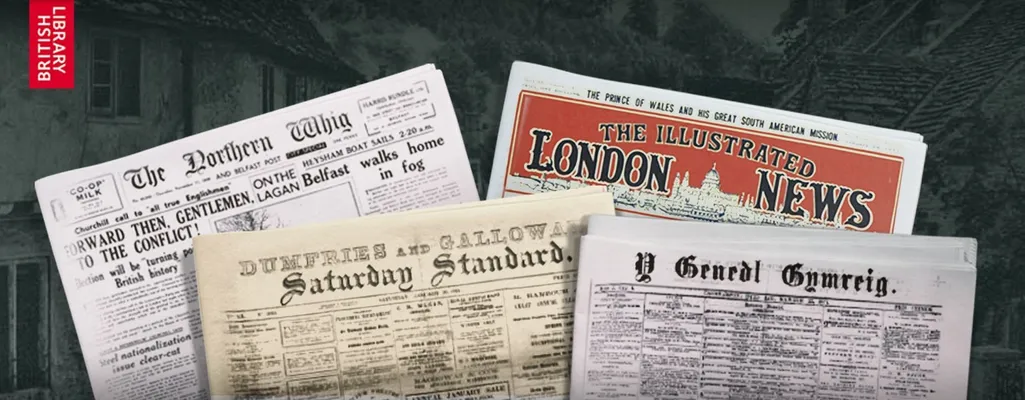
In partnership with the British Library, the British Newspaper Archive features 1 million free to view newspaper pages as part of its collection. A great way to get started with your research, and to begin to explore historic newspapers and their stories, all you need to do is register a free account with us to access the free to view pages.Register now to explore FREE pagesOnce you’ve registered, you can explore 150 different newspaper titles, which span the years 1720 to 1880.
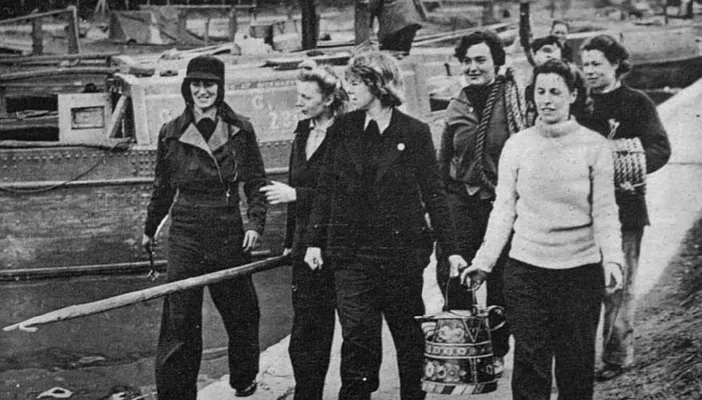
Nicknamed the ‘Idle Women,’ although they were about as far from idle as anybody could possibly be, the women canal workers of the Second World War performed vital war work which is all but forgotten today, some seventy years later.Some of the ‘Idle women’ arriving at a canal dock | The Sphere | 15 April 1944The curious name of ‘Idle Women’ came from the badges that these pioneering women wore, with the initials ‘IW,’ which stood for ‘Inland Waterways’. This moniker, given
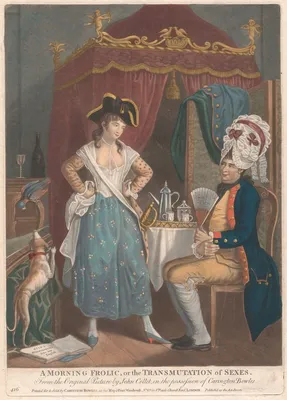
June is Pride Month. At The Archive, we are delving into the newspapers and pulling out the breadth of LGBTQ history available.Register now and explore The Archive18th Century Gay Subculture18th century London was home to a flourishing gay subculture with Molly Houses at the centre of the social scene. ‘Molly’ was a slur used for effeminate, homosexual men and the term was adopted to describe the clubs, taverns, inns, or coffee houses where they met up in
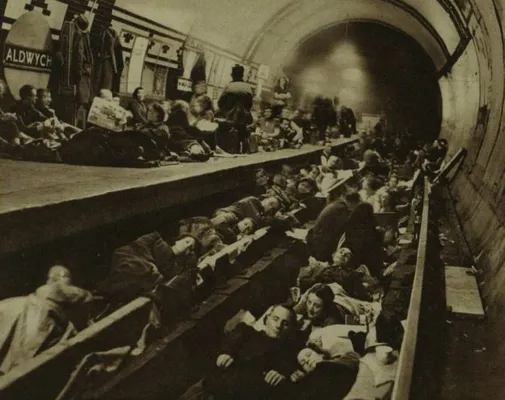
When the Blitz began on 7 September 1940, ‘It was the people of London who took command…Men, women, and children went straight to the safest place they could think of – the Underground stations.’In this special blog, over 80 years after the beginning of the Blitz, we take a look at how London’s main transport system – the Underground –  became a popular place of shelter for those seeking protection from the German bombing campaign, using an assortment of articles and photographs all to be
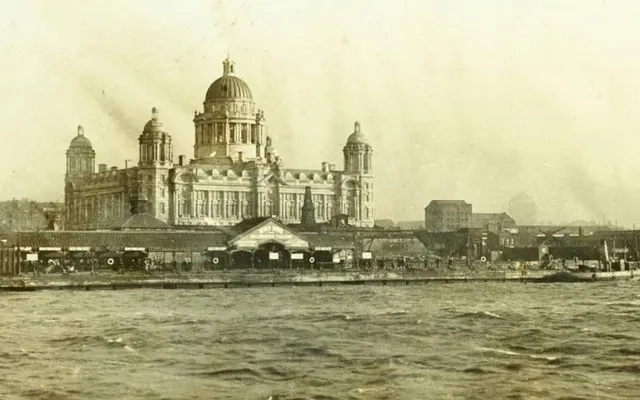
The British Newspaper Archive holds over 70,000 pages from Liverpool newspapers (and counting), making it an unrivalled resource when it comes to tracing the history of the city and its surrounding areas.Register to View Liverpool NewspapersOur clever search tools allow you to focus your search by looking at papers from Liverpool only and offer the ability to narrow by date, recent additions and more.To focus in on Liverpool titles only, while searching, use the place filter to select
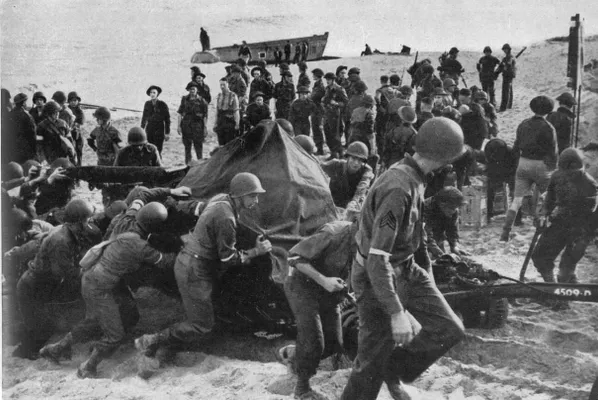
American troops
In honour of Remembrance Day, during the month of November, The British Newspaper Archive will be focusing our attention on military in the newspapers.  Coming up this month we will feature blogs about our special military titles, researching military history, women and war, and wartime rationing and fashion, as well as a guest blog about a remarkable Great War discovery from The Archive.  To begin our military month, we are delving into the newspaper headlines through the years for the
Britain’s favourite horticultural happening is right around the corner once again. The RHS Chelsea Flower Show begins on 23 May and will be held in the grounds of the Royal Hospital, Chelsea, for the 105th time. To celebrate, we’re showing you exactly how to go about unearthing newspaper stories on the Flower Show, and other long-running events, using our ever-growing Archive.Register now and view 3 pages for FREESearching for an event in the Archive is much like searching for a
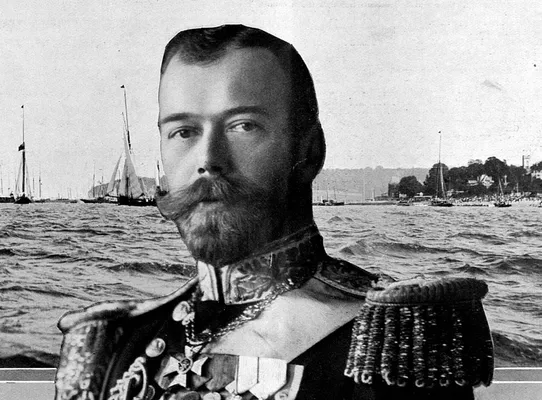
On 15 March 1917, amid the chaos and fury of the Russian Revolution, Tsar Nicholas II, Emperor of all Russia, abdicated from the throne and ended 300 years of Romanov rule.  Russians of all classes were on the streets of Petrograd (formerly known as St Petersburg), and Nicholas’ own military had joined the ranks of protestors.  How did this monarch fall and a dynasty end?  On the anniversary of Tsar Nicholas’ abdication, we will take a look through the British Newspaper Archive at