Skip to content

Search the blog

Tag: blitzTag: halloweenTag: 1930s
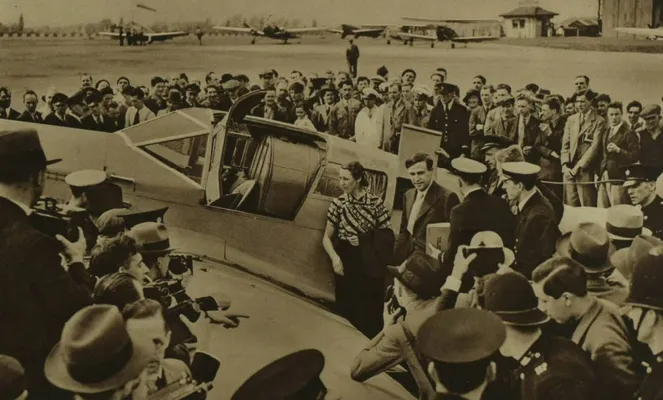
The 1930s were a decade of aviation records. Airmen and airwomen from across the globe pushed their aircrafts to the limit, travelling thousands of miles in pursuit of world firsts and fastest travelling times. And these men and women became the superstars of their day, bona fide celebrities alongside the stars of stage and screen.Chief amongst the royalty of the air was Amy Johnson, Britain’s answer to Amelia Earhart. In this special blog, as part of aviation April on
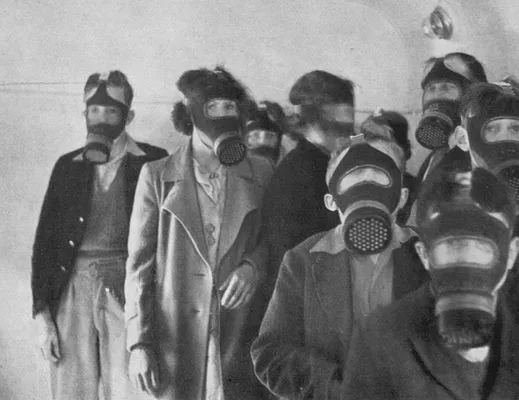
Russia is building up a formidable air fleet and doubling her military railways. America is laying down new capital ships. Britain is strengthening her Navy and her Air Force. A few days ago Belgium announced her intention to spend more money on her Army…One never quite knows what Germany is doing. Her budget reveals her intention to re-arm to a modest extent…No doubt she is drilling her young men and inuring them to war on land and in the air…
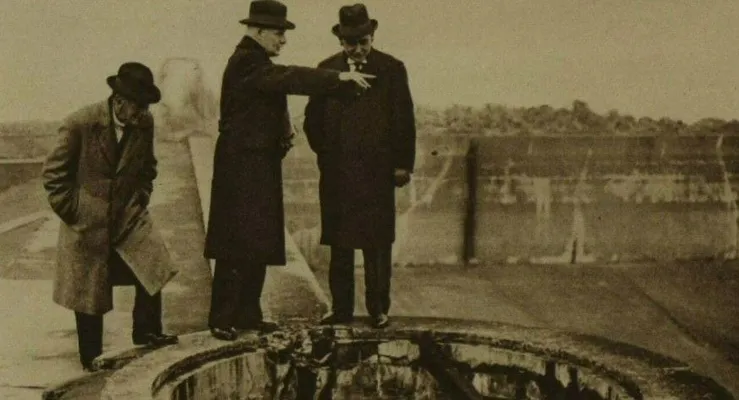
In late 1937 in the borough of Croydon, South London, people began to fall ill with typhoid. Typhoid is a disease that is associated with contaminated water and outbreaks of the illness, at least in the United Kingdom, is something that we might associate today with the nineteenth century, before an age of improved sanitation and safe supplies of drinking water.And so, in this special blog, we will take a look at how the Croydon typhoid epidemic gradually unfolded, as
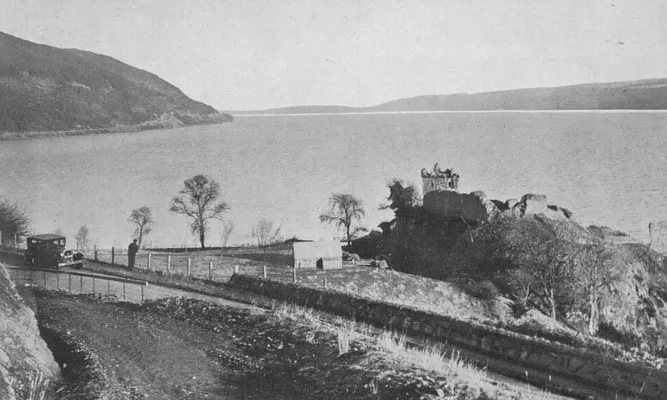
In early May 1933 reports that some kind of monster had been spotted in Loch Ness, in the Scottish Highlands, near Inverness, reached the press. By the end of the year, national weekly publication The Sphere wrote:When the Loch Ness monster first came into the news many believed that the stories published in the Press were nothing more than mere sensationalism. To-day this theory does not hold good. People, whose judgement can be relied on, have seen the ‘monster,’ and
This week at The Archive has been an extremely busy one as ever – we have added 199,897 brand new pages as we continue to augment our collection of newspapers from across the United Kingdom and Ireland. Over the past seven days alone we have added seven brand new titles, from Finchley to Liverpool, from Glasgow to Skegness, whilst we have updated nineteen of our existing titles, with significant additions to some of our Nottinghamshire titles.So read on to discover more
This week at The Archive we have been busy adding an incredible 167,444 brand new pages to our collection, with nineteen new titles added in all. And this week’s new titles have an especially Scottish theme, with a lucky thirteen new titles added from Scotland alone over the past seven days.Meanwhile, we have added six historic London titles, digitised as part of the British Library’s Heritage Made Digital programme, and updated fifteen of our existing newspaper titles, including pages from
Nowadays, we tend to think of Halloween as a thoroughly modern phenomenon, an American Hallmark holiday. But using newspapers from the Victorian era, accessed through The Archive, we will discover in this blog how Halloween is a thoroughly ancient phenomenon.We will look at the ancient origins of the October festival, and explore its traditions, some of which have lasted through to this day, like bobbing for apples, and others that have fallen by the wayside, for example the day’s
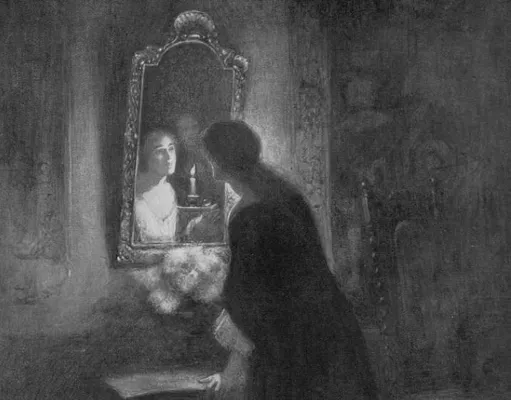
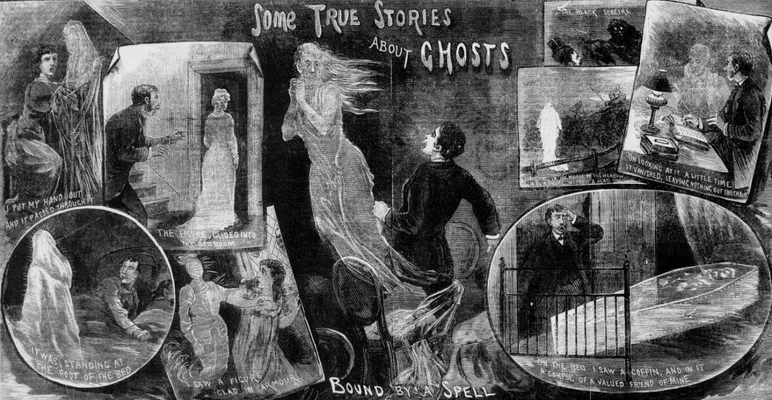
With spooky season now upon us, we thought we’d scour the pages of The Archive to find some of the most spine-chilling ghost stories ever published in our newspapers.So settle in and prepare to be scared by tales of ghostly armies, inexplicable apparitions and portents from the afterlife, all of which have been featured in the pages of the newspapers to be found on The Archive.Want to learn more? Register now and explore The Archive1. An Army of
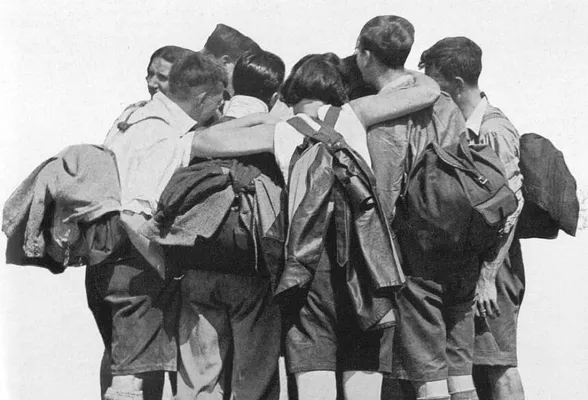
The popularity of walking or ‘hiking,’ as it is termed, is amazingly on the increase. ‘Sabbath day journeys’ are undertaken by the youth of both sexes, armed with knapsacks. Starting from Waterloo to the Surrey hills and commons, where they walk, either in clubs or in private companies, or alone, all day, to return by train at night.So relates The Sphere in the September of 1930 in an article entitled ‘Knapsackery on the Surrey Hills.’ Regarded as the ‘Phenomenon of
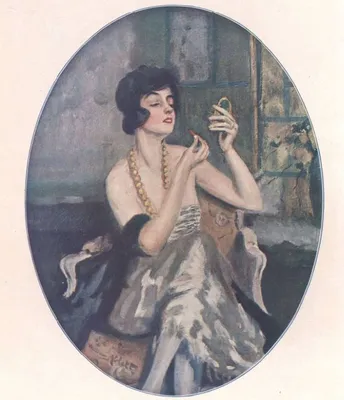
‘Times have brightened,’ writes one 1938 beauty commentator in the Sunderland Daily Echo and Shipping Gazette, as she reflects on how women of the past used to regard their faces.Do you remember how as a young girl, you looked at your face in the mirror and wished that you had a differently shaped mouth, not to mention nose, teeth, ears, and hair? You used to believe that the only thing to do with your face was to be resigned to