Skip to content

Search the blog

Tag: blitzTag: canadaTag: poetry
At the British Newspaper Archive, we have started to digitize international newspapers from the British Library.  These rich titles explore the story of the British Commonwealth, from the time when the sun didn’t set on the British Empire through to states gaining their independence.   At times, the subject of the newspapers brings us face to face with the stark and sometimes inhuman reality of colonialism and the legacy of the British Empire across the world.Below we will explore some
This week we have added 80,888 new pages to The Archive – and this week sees a distinctly Canadian flavour, as we have added three new historic titles from across the pond, numbering nearly 50,000 pages and spanning the years 1875 to 1920. Slightly more closer to home, we are delighted to have added the Dudley Chronicle, a Worcestershire weekly representing the local news of the large industrial market town.Dudley Chronicle | 12 February 1910Register now and explore the ArchiveMeanwhile, we continue to strengthen our
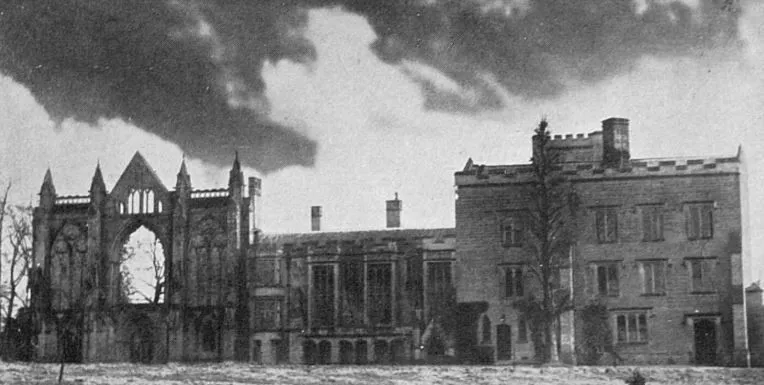
THROUGH thy battlements, Newstead, the hollow winds whistle;Thou, the hall of my fathers, art gone to decay;In thy once smiling garden the hemlock and thistleHave choked up the rose which late bloomed in the way.So wrote the poet Lord Byron, inspired by his ancestral home of Newstead Abbey. Using pages from the British Newspaper Archive, this blog will explore Byron’s affinity with the ancient building, and how Newstead Abbey beat the odds to survive until the
This week we have added 70,450 new pages to The Archive, with two new and very important titles joining us from home and abroad.We have added an extensive run of pages to the Westminster Gazette, which was seen by some as ‘the most powerful paper in Britain.’ Established in 1893 by E.T. Cook, the Westminster Gazette was a liberal newspaper, which found its audience in London’s gentlemen’s clubs and was consequently known as a ‘clubland paper.’ Despite this audience being small,
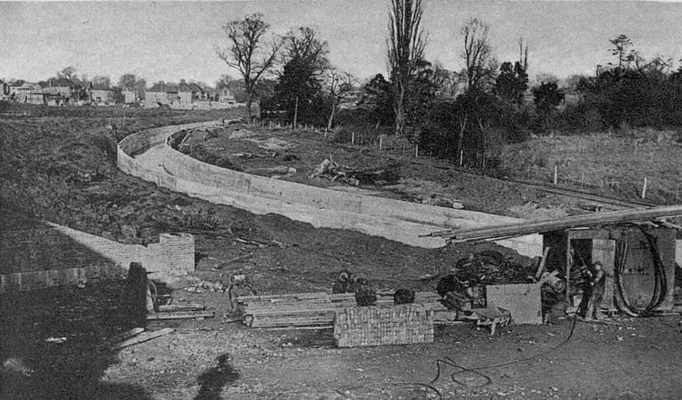
I know a land where the wild flowers grow Near, near at hand if by train you go, Metro-land. Metro-land.The above pre-First World War verse written by George R Sims coined the phrase ‘Metro-land’ – that area of north west of Wembley served by what was then called the Metropolitan Railway, and is now known as the Metropolitan Line.In this blog, using articles found on the British Newspaper Archive, we will explore how the Metropolitan Railway shaped London’s suburbs,
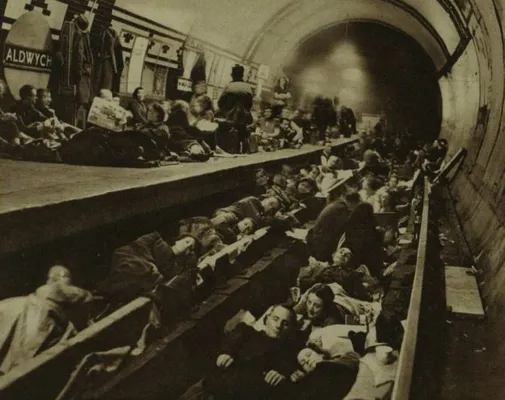
When the Blitz began on 7 September 1940, ‘It was the people of London who took command…Men, women, and children went straight to the safest place they could think of – the Underground stations.’In this special blog, over 80 years after the beginning of the Blitz, we take a look at how London’s main transport system – the Underground –  became a popular place of shelter for those seeking protection from the German bombing campaign, using an assortment of articles and photographs all to be
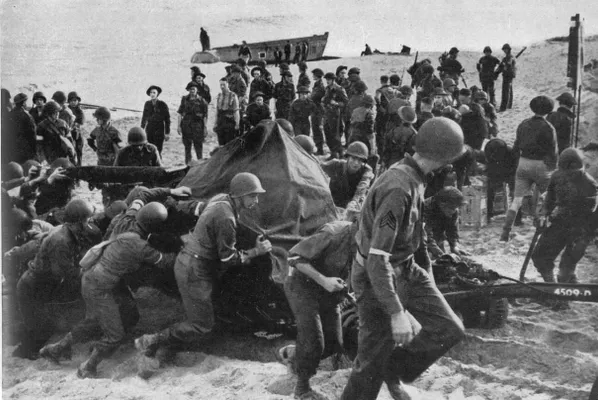
American troops
In honour of Remembrance Day, during the month of November, The British Newspaper Archive will be focusing our attention on military in the newspapers.  Coming up this month we will feature blogs about our special military titles, researching military history, women and war, and wartime rationing and fashion, as well as a guest blog about a remarkable Great War discovery from The Archive.  To begin our military month, we are delving into the newspaper headlines through the years for the
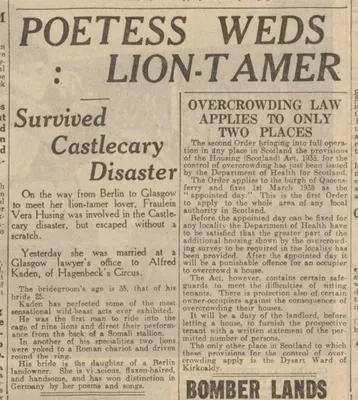
‘He was the first man to ride into a cage of nine lions and direct their performance from the back of a Somalian stallion…’Oh, we think this will likely be our favourite newspaper headline for January.Let’s hope this poetess was an ailurophile, and that the lion tamer was a poetry lover!And we can’t help feeling that this is the sort of news story that sub-editors on newspapers dream about writing headlines for – the lucky sub-editor probably had