Skip to content

Search the blog

Tag: birminghamTag: victorian
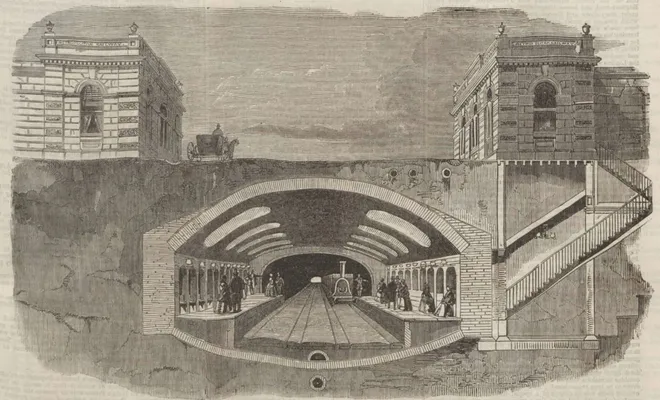
On 10 January 1863 the Metropolitan Railway was opened in London. An unprecedented feat of engineering, the Metropolitan Railway was the first underground railway in the world, forming the basis of the London underground and other global underground systems.In this special blog, we take a look at the historic first three days of the Metropolitan Railway’s existence, from its grand opening on Friday 10 January 1863, to the teething problems it encountered when it opened to the public on the Saturday and Sunday,
This week sees 100,598 brand new pages joining The Archive, with updates to fourteen of our existing titles, as well as five new titles joining our collection.We are delighted to continue to augment our Scottish newspaper holdings, with four brand new Scottish titles added this week. This includes the Ayrshire Post, a weekly title which was founded in 1880 and covers south and east Ayrshire, and another weekly title, the Wishaw Press, which covers north Lanarkshire. Making up our trio of
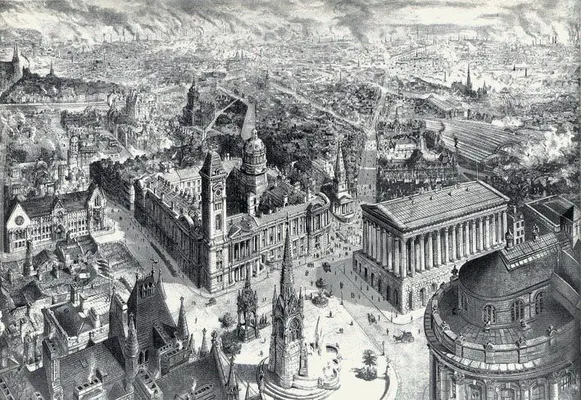
The British Newspaper Archive is an unrivalled resource when it comes to tracing local history. Where else would you find millions of forgotten stories from your street, town or city all documented and ready to be discovered? Take Birmingham for example. The Archive contains over 50,000 pages and and a varied range of titles from the UK’s ‘Second City’ and this guide will show you how to make the most of them.Register now and view Birmingham newspapers for FREEYou
Trinity College, Dublin
Emma Willis explored the back streets of Birmingham, uncovered a violent ancestor, and revealed magnificent Irish craftsmanship in her family tree.  In this week’s episode of Who Do You Think You Are?, we followed the lives of three of Willis’ ancestors: James Gretton, Richard Fowler, and Michael Kirwan.  We will take a closer look at the newspapers and explore what more we can discover about the stories and lives revealed.James GrettonEmma Willis found out that her three-time great
This week thousands have assembled at Who Do You Think You Are? Live in Birmingham to demolish those brick walls, learn new tricks of genealogy, and hear about the latest news of family history.  Most of us have searched the newspapers for obituaries, but much more can be revealed about our ancestor’s lives than the memorials at their death.  Today, we will take a look at the divorce courts, bankruptcy notices, illegitimacy cases, and committee minutes.The mid- to late
Caroline Rance, author of The Quack Doctor and What the Apothecary Ordered, got in touch to show us some of the shocking medical tales she’s unearthed. We’d love to hear about your own discoveries – email [email protected] to tell us about them. **************Whatever you search for in The British Newspaper Archive, chances are the articles you find will be close to adverts promoting cures for every kind of disease. Some brands were sold in good faith and became stalwarts of the
Lonely hearts columns aren’t a modern phenomenon. Search our historical newspapers and you’ll find numerous examples of ‘matrimonial advertisements’ from the 1800s and 1900s.The notices can often make for amusing reading. We’ve collected together a few of our favourites to provide you with some tips for finding love. You may or may not want to take the advice…1) Be overly specific and insultingAn American woman advertised for a husband in 1920, advising that he ‘can have any colour hair
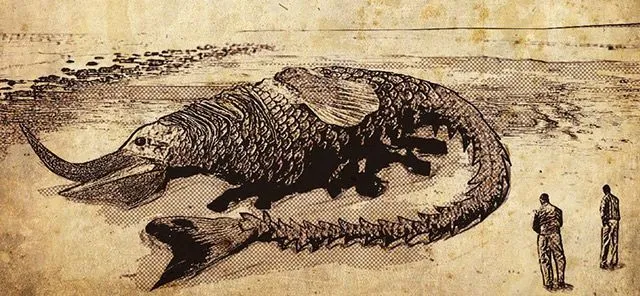
What the giant monster might have looked like in 1877
The British Newspaper Archive is full of grisly stories about the unusual and the unexplained. We’ve selected some of the oddest tales, including a description of a monster with the head of a sea lion and a rumour that Germany was turning dead soldiers into explosives during the First World War.Let us know if you’ve found a story to rival these. You can comment below or post on our Facebook page.1) 1877: A bizarre 70-foot beastA very strange creature
The first person to be arrested and charged for driving under the influence of alcohol was George Smith, a London cabdriver.Charged with drunk driving on 10 September 1897This article from the Morning Post reported that at about 00:45 on Friday 10 September 1897, Smith’s vehicle ‘swerved from one side of the road to the other, and ran across the footway into 165 New Bond Street’.George Smith admitted that he’d had ‘two or three glasses of beer’ and apologised, stating that ‘it is the
Michelle Higgs, author of A Visitor’s Guide to Victorian England, has uncovered lots of fascinating stories by searching our historical newspapers. She got in touch to tell us about Lady Florence Harberton and her fight for Victorian women’s freedom to wear practical clothing.**************It might surprise you to know that until the 1870s, it was rare to see unaccompanied middle or upper-class women walking in the streets. This was because they ran the risk of being mistaken for prostitutes, so