Skip to content

Search the blog

Tag: birminghamTag: historyTag: blitz
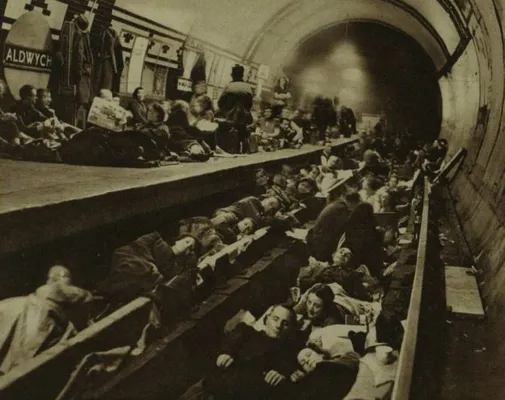
When the Blitz began on 7 September 1940, ‘It was the people of London who took command…Men, women, and children went straight to the safest place they could think of – the Underground stations.’In this special blog, over 80 years after the beginning of the Blitz, we take a look at how London’s main transport system – the Underground –  became a popular place of shelter for those seeking protection from the German bombing campaign, using an assortment of articles and photographs all to be
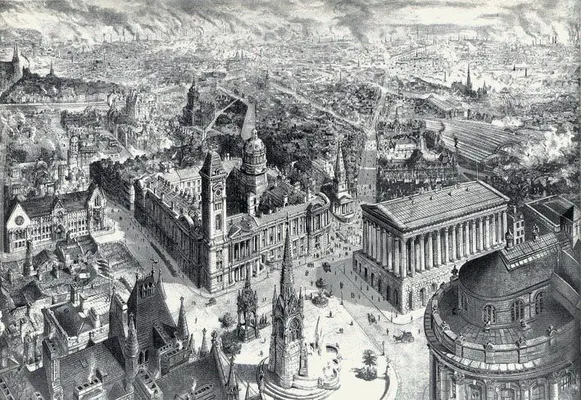
The British Newspaper Archive is an unrivalled resource when it comes to tracing local history. Where else would you find millions of forgotten stories from your street, town or city all documented and ready to be discovered? Take Birmingham for example. The Archive contains over 50,000 pages and and a varied range of titles from the UK’s ‘Second City’ and this guide will show you how to make the most of them.Register now and view Birmingham newspapers for FREEYou
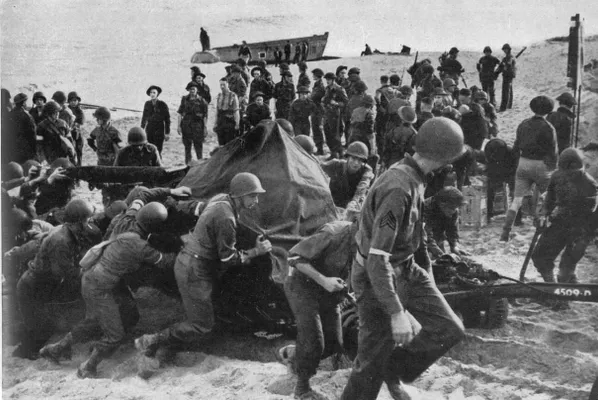
American troops
In honour of Remembrance Day, during the month of November, The British Newspaper Archive will be focusing our attention on military in the newspapers.  Coming up this month we will feature blogs about our special military titles, researching military history, women and war, and wartime rationing and fashion, as well as a guest blog about a remarkable Great War discovery from The Archive.  To begin our military month, we are delving into the newspaper headlines through the years for the
Trinity College, Dublin
Emma Willis explored the back streets of Birmingham, uncovered a violent ancestor, and revealed magnificent Irish craftsmanship in her family tree.  In this week’s episode of Who Do You Think You Are?, we followed the lives of three of Willis’ ancestors: James Gretton, Richard Fowler, and Michael Kirwan.  We will take a closer look at the newspapers and explore what more we can discover about the stories and lives revealed.James GrettonEmma Willis found out that her three-time great
Britain’s favourite horticultural happening is right around the corner once again. The RHS Chelsea Flower Show begins on 23 May and will be held in the grounds of the Royal Hospital, Chelsea, for the 105th time. To celebrate, we’re showing you exactly how to go about unearthing newspaper stories on the Flower Show, and other long-running events, using our ever-growing Archive.Register now and view 3 pages for FREESearching for an event in the Archive is much like searching for a
This week thousands have assembled at Who Do You Think You Are? Live in Birmingham to demolish those brick walls, learn new tricks of genealogy, and hear about the latest news of family history.  Most of us have searched the newspapers for obituaries, but much more can be revealed about our ancestor’s lives than the memorials at their death.  Today, we will take a look at the divorce courts, bankruptcy notices, illegitimacy cases, and committee minutes.The mid- to late
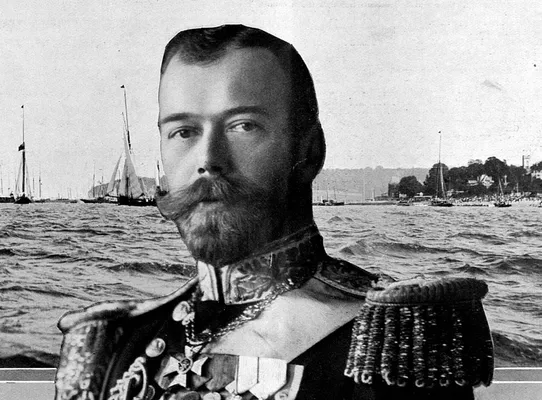
On 15 March 1917, amid the chaos and fury of the Russian Revolution, Tsar Nicholas II, Emperor of all Russia, abdicated from the throne and ended 300 years of Romanov rule.  Russians of all classes were on the streets of Petrograd (formerly known as St Petersburg), and Nicholas’ own military had joined the ranks of protestors.  How did this monarch fall and a dynasty end?  On the anniversary of Tsar Nicholas’ abdication, we will take a look through the British Newspaper Archive at
The British Newspaper Archive brings you news from India, China, and further East during the height of the British Empire.  The Homeward Mail from India, China and the East was first published in 1857 by Messrs. Smith, Elder, & Co. and provided Britain with news from its colonies in the East.  The publishing company also produced the first Dictionary of National Biography and worked with major authors such as Charlotte Brontë, George Eliot, Alfred Tennyson, and Arthur Conan Doyle.  Along with The
After the Battle of Jutland, Admiral Jellicoe sent this message to his Fleet, as recorded in the Cornishman on the 15th June 1916:“I desire to express to the flag officers, captains, officers and men of the Grand Fleet my very high appreciation of the manner in which the ships fought during the action of May 31, 1916.At this stage, when full information is not available, it is not possible to enter into details, but quite sufficient is already known to enable
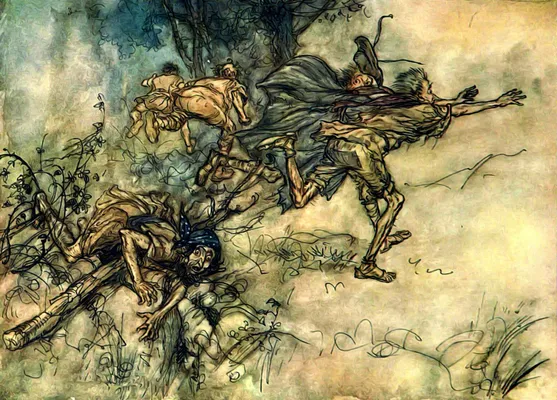
Midsummer's Night Dream illustration
Countless celebrations are taking place across the country to commemorate the 400th anniversary of William Shakespeare’s death. Wherever you live, you’ll find parades, talks, and performances of all kinds paying homage to the Bard’s work, but it was a very different story 100 years ago.Search the newspapersOn the tercentenary of Shakespeare’s death in 1916, Britain had found itself in the middle of one of the most horrific battles in history. While the odd commemorative event took place in larger cities,