Skip to content

Search the blog

Author: the-bnaTag: traditionsTag: manchester
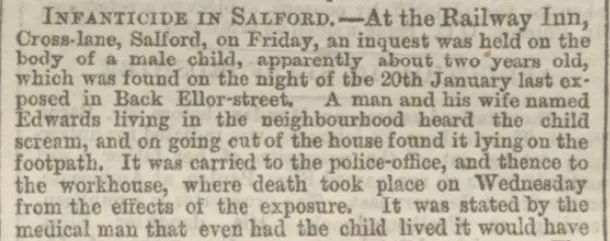
As part of our history of law and crime month on The Archive, we are delighted to featured a very special guest post by author and former probation officer Martin Baggoley, who has written extensively on the history of crime and punishment.In this guest post, Martin describes how he used The Archive to research the tragic topic of infanticide in Victorian Salford, a desperately sad chapter in Britain’s crime history. So read on to discover the methods that Martin
Black cat
Of witches and witchcraftAs we kick off our Halloween celebrations and delve into the history, contained within the newspapers, of witches and witchcraft (and supernatural beings), it is imperative that we preface this — perhaps unnecessarily — with an important disclaimer and reminder: witches, in the sense of practitioners of malevolent powers to do evil works, never existed. Those persecuted during the sixteenth century and onward were, more often than not, local healers and midwives.In 1562, Queen Elizabeth passed the law
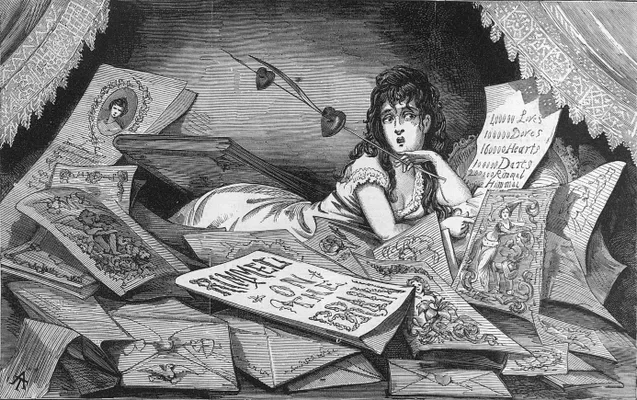
Valentine’s Day in its present iteration is inexorably linked to both romantic love and commercialism. It inspires strong feelings, both for and against this day of chocolate boxes and heart-shaped cards. However, the day and its traditions have not been static. In performing a simple search for ‘Valentine’s Day’ on The British Newspaper Archive, you can start to see the ways in which the holiday — and its reception — have changed (and, occasionally, stayed the same) over the years.An 1845 description
The Manchester Courier and Lancashire General Advertiser, like other British newspapers, reported that Britain joined the First World War on 4 August 1914.The Courier makes for especially fascinating reading because it reported the news in a very different way.Manchester Courier: ‘Keep your country out of a wicked and stupid war’Many newspapers included an advert encouraging unmarried men between 18 and 30 years old to join the Army on 5 August 1914.This example is taken from another title printed in Manchester, the Manchester