Skip to content

Search the blog

Author: the-bnaTag: tennisTag: fashion
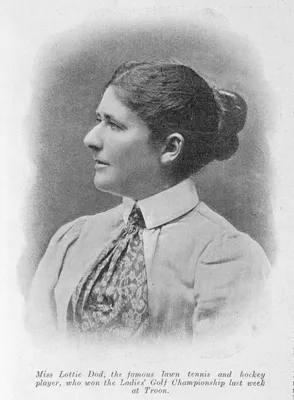
Merseyside-born, Charlotte ‘Lottie’ Dod, is the youngest ever winner of the Wimbledon Ladies Singles Championship, achieving her triumph in 1887 at the tender age of 15 years and 285 days.She won the singles title a remarkable five times in total, between the years 1887 and 1893.An article in the Sheffield Independent chronicles Lottie’s first ever Wimbledon victory in 1887.About the ladies’ singles there is little to be said – only five entered as against eight last year. Miss Lottie Dod simply “cantered” through the
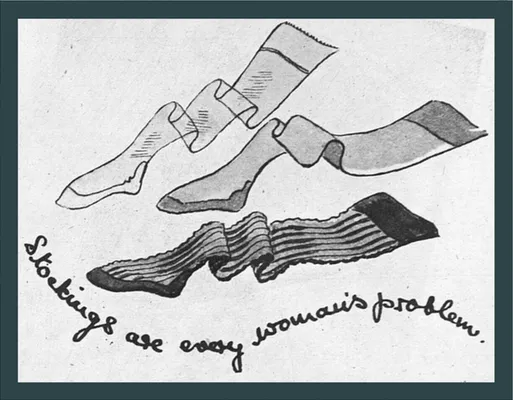
stockings
In discussing the fashions during the Second World War, we turn to the pages of Britannia and Eve.  Along with providing general news, this paper has dedicated sections on such topics as fashion, home, and knitting. Wonderful illustrations and photographs are included amongst its pages.Explore all our fashion findings here!KnittingKnitting advice and patterns are no strangers to the pages of our newspapers. It could be said that the value of such readily available information was made all
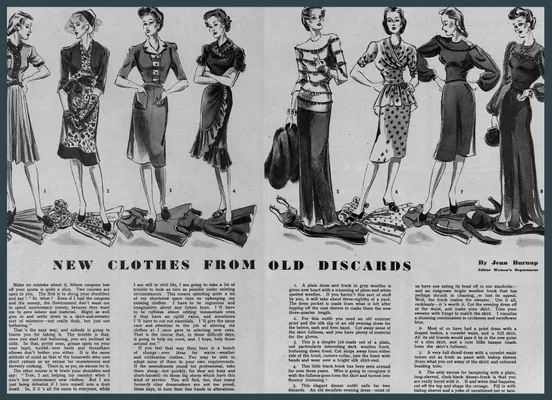
new clothes from old
War impacts every part of life, some more obvious than others. In this post, we will explore the impact of war on fashion; particularly, we will look at how the topics of economy and quality shaped war-time fashion. The article excerpts included in this post are from two recurring columns: ‘The Highway of Fashion‘, printed in The Tatler, and ‘Fashions by Jean Burnup‘, printed in Britannia and Eve.Explore knitting and fashion in the Second World WarEconomyWith the
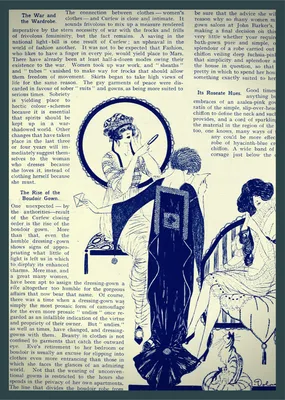
War and wardrobe
When you first think of the Great War, I’d wager that fashion is not the first thing to come to mind. However, it was, in fact, on the mind of many who lived through those years of war.There are several series dedicated to the topic of fashion that ran throughout the war years and that you can find in The British Newspaper Archive: (1) ‘Woman’s Sphere in War Time’, printed in The Sphere; (2) ‘Woman’s Ways’, printed in The Sketch; (3) ‘The
The British Newspaper Archive is the perfect research tool for discovering the history of your favourite sports team or delving into the origins of your local club or venue.Register today!Sport is one of the most searched topics on the site and it’s easy to see why. From historical match fixtures and results, through to news articles and photographs of history’s most iconic sporting moments, the depth and breadth of knowledge the Archive can offer is truly endless.How
Michelle Higgs, author of A Visitor’s Guide to Victorian England, has uncovered lots of fascinating stories by searching our historical newspapers. She got in touch to tell us about Lady Florence Harberton and her fight for Victorian women’s freedom to wear practical clothing.**************It might surprise you to know that until the 1870s, it was rare to see unaccompanied middle or upper-class women walking in the streets. This was because they ran the risk of being mistaken for prostitutes, so
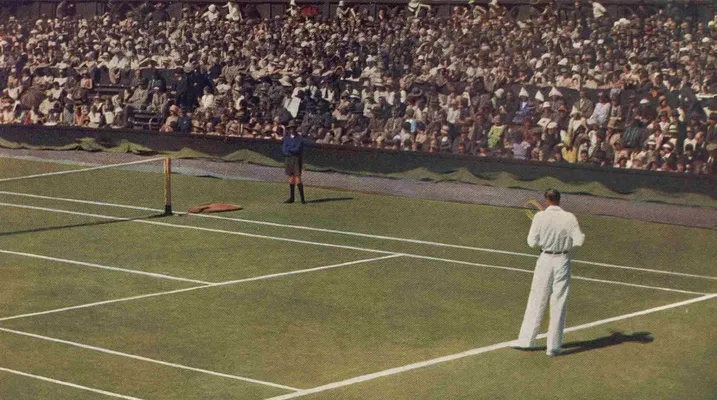
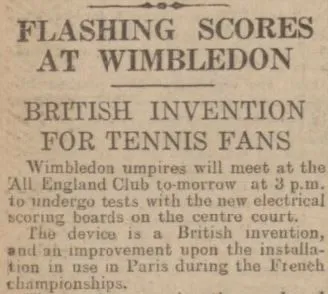
We’ve been reading stories about the history of Wimbledon in The Archive, and have found some terrific newspaper reports.Here’s an article about the arrival of the electronic scoreboard on Centre Court in 1929, published in the Derby Daily Telegraph.Derby Daily Telegraph | 21 June 19291929 Ladies’ Wimbledon Final | Illustrated Sporting and Dramatic News | 13 July 1929Read some of the other historical newspaper stories about Wimbledon that we’ve been posting on the blog.Derby Daily Telegraph – Friday 21 June 1929Image © Northcliffe Media Limited. Image created
Fred Perry was of course one of the greatest players in tennis history, having won three consecutive Wimbledons from 1934 to 1936. He was the last British winner of Wimbledon until Andy Murray’s victory in 2013.Fred Perry ‘delivering a characteristic vigorous smash’ during the 1936 Wimbledon | The Sphere | 27 June 1936However, despite his third (and final) Wimbledon victory in 1936, he was the victim of an unfortunate accident whilst playing an exhibition match a couple months before in Hungary.According to the Western Daily Press,
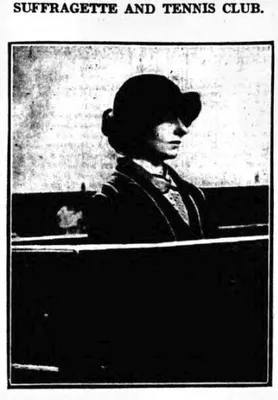
The fact that the green, purple and white colours of the Suffragette Movement are the same colours used by Wimbledon, has sometimes been commented upon.With this in mind, we thought we’d try and find some newspaper stories that bring together Wimbledon and the suffragettes.Oh, and we found some stories! We found two reports about an incident in 1913 when a suffragette attempted to burn down Wimbledon. One from the time, in the Derby Daily Telegraph, and another from fifteen