Skip to content

Search the blog

Author: the-bnaTag: scotlandTag: birmingham
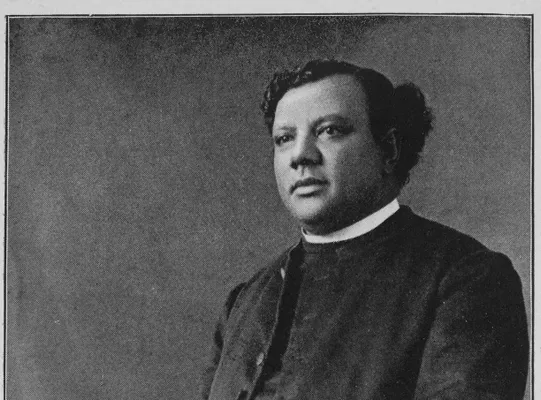
At the British Newspaper Archive we are always delighted to hear how The Archive has been used to inform a range of different research interests. In this very special guest blog, Sidonia Serafini of Georgia College & State University and Barbara McCaskill of the University of Georgia take a look at the work of the Reverend Peter Thomas Stanford, Birmingham’s first Black minister, as reported in the British press, through the newspapers to be found in our collection.In March 1883, Reverend
Scotland
Using newspapers for your Scottish genealogy researchDo you find yourself daunted at the prospect of researching your Scottish ancestors? Keep the heid! There exists a fantastic array of records that can get you further along in your family history research. The main problem, however, is access. Much of what exists has not been ditigised, and for those that have been, many are not indexed. It is overwhelming figuring out where to search and what records, if they were created,
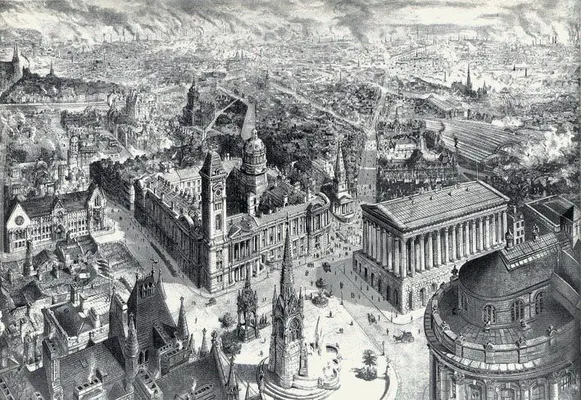
The British Newspaper Archive is an unrivalled resource when it comes to tracing local history. Where else would you find millions of forgotten stories from your street, town or city all documented and ready to be discovered? Take Birmingham for example. The Archive contains over 50,000 pages and and a varied range of titles from the UK’s ‘Second City’ and this guide will show you how to make the most of them.Register now and view Birmingham newspapers for FREEYou
Haunted
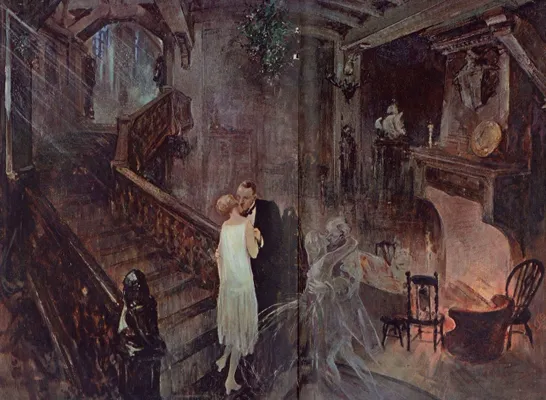
With Halloween approaching, we wanted to see what we could find related to the topic of hauntings in The British Newspaper Archive.Of children and hauntingsOften the origins of a haunting myth are rooted in death and loss. Sometimes the myth grows and morphs to such a point where its origin is indeterminate. Other times, the sad truth of its origin is unexpectedly revealed, as with the ‘grim discovery’ at a ‘haunted house’ in 1921, reported in The Scotsman.This
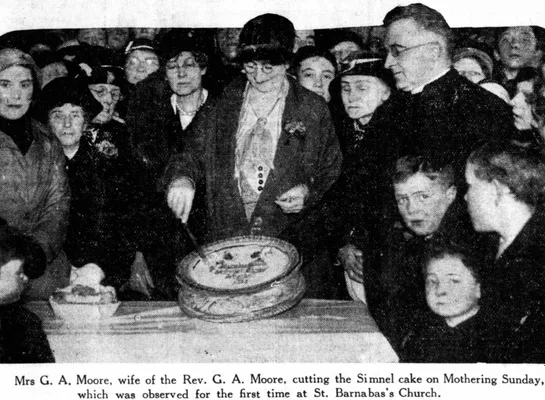
Whilst Mothering Sunday is now commonly combined and celebrated with the secular holiday of Mother’s Day in the United Kingdom and Ireland, its origin is religious in nature and separate from that of the American Mother’s Day.Starting in the 1700s, individuals would attend a special service on Laetare Sunday (the fourth Sunday of Lent) at their mother church (usually the church where an individual was baptised or their local parish church/closest cathedral). This activity was soon coined as going
WW1 editions of the Evening Despatch now onlineThe Evening Despatch was published in Birmingham throughout World War One. Over 4,000 pages from newspapers published in 1915, 1917 and 1918 have just been made available to search online.Search the Evening Despatch  Newspaper pages added every weekThousands of extra pages are added to The British Newspaper Archive each week. We’ll be adding more from the Evening Despatch soon, so be sure to check the recent additions regularly.See what’s been added in the
Tay Bridge Disaster 1880
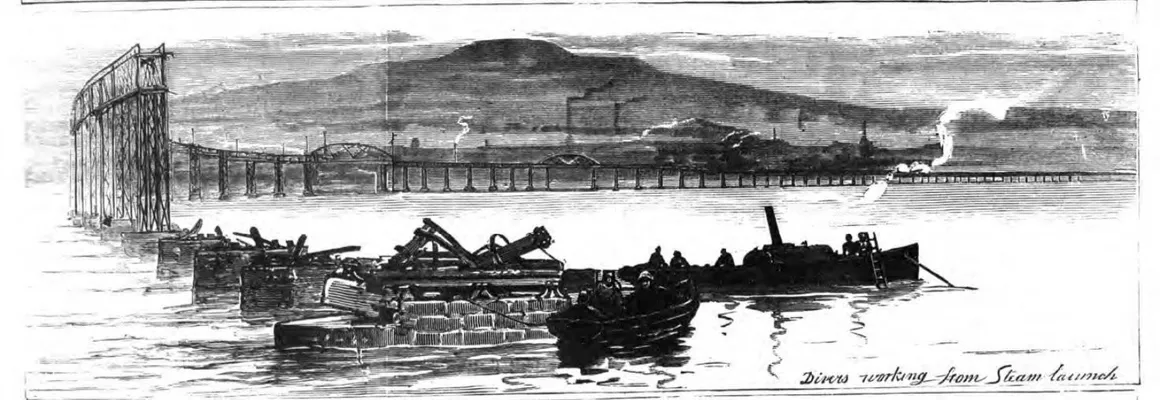
‘The awful catastrophe which occurred at the Tay Bridge on the last Sunday of the year is still the all-absorbing theme of conversation in the community…’A section of the Tay Bridge, which connects Dundee and Wormit in Fife, collapsed during a terrible storm on the night of 28 December 1879.  Tragically, a Dundee-bound train plunged into the freezing waters of the river, with the loss of 60 lives (although some estimate the loss to have been 75 lives).Graphic illustrated the scenes of
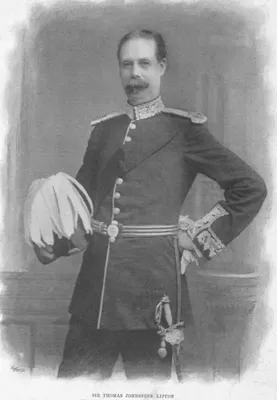
‘Errand boy who became a millionaire’Sir Thomas Johnstone Lipton, the Glasgow-born self-made man who worked himself up from errand boy to become a millionaire, died in London on 2 October 1931 – he was 81.Below is a newspaper report (published the day after his death) that offers an overview of Lipton’s amazing life and achievements.This image of Sir Lipton, shows him in the uniform of the City Lieutenancy.Discover more about Sir Lipton