Skip to content

Search the blog

Author: the-bnaTag: militaryTag: immigration
This year marks the 80th anniversary of wartime Prime Minister Winston Churchill’s most famous speeches. Coming to power after the failure of predecessor Neville Chamberlain to secure peace, Churchill faced a titanic task, and it was through his speeches that he laid down his powerful mantra.In this blog we will take a look at public feeling around the potential for peace with Germany during the weeks that Churchill came to power, and contemporary reactions to Churchill’s speeches in the
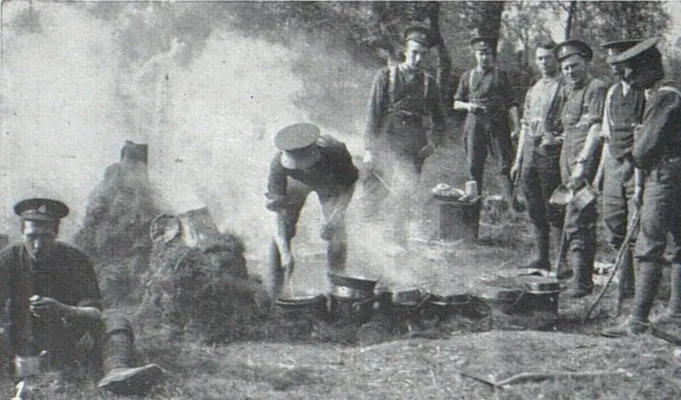
In war, food becomes a major concern.  Supplying the army and home-front with enough food is a huge logistical undertaking.  With a large army abroad in hostile territory, and the home-front far from self-sufficient, ensuring that they are kept fed and healthy becomes a primary concern for government and a national obsession.  As part of our focus on all things Military & Wartime during November, we have searched the newspapers to discover more about the history of food in wartime.An
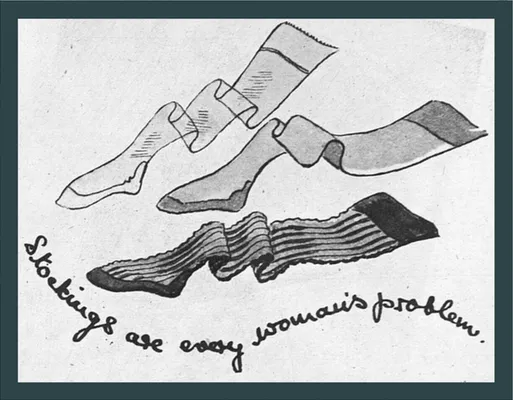
stockings
In discussing the fashions during the Second World War, we turn to the pages of Britannia and Eve.  Along with providing general news, this paper has dedicated sections on such topics as fashion, home, and knitting. Wonderful illustrations and photographs are included amongst its pages.Explore all our fashion findings here!KnittingKnitting advice and patterns are no strangers to the pages of our newspapers. It could be said that the value of such readily available information was made all
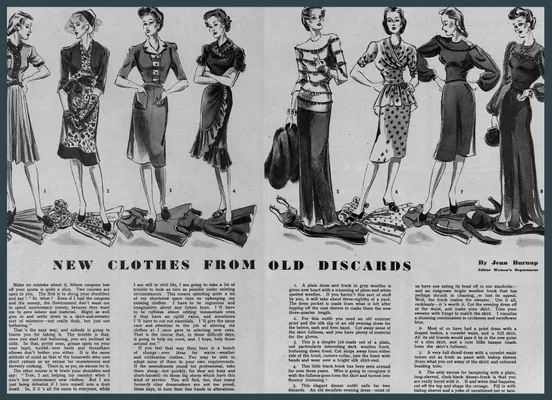
new clothes from old
War impacts every part of life, some more obvious than others. In this post, we will explore the impact of war on fashion; particularly, we will look at how the topics of economy and quality shaped war-time fashion. The article excerpts included in this post are from two recurring columns: ‘The Highway of Fashion‘, printed in The Tatler, and ‘Fashions by Jean Burnup‘, printed in Britannia and Eve.Explore knitting and fashion in the Second World WarEconomyWith the
War and wardrobe
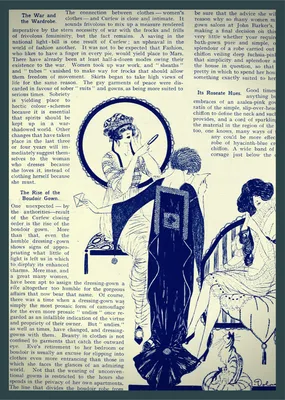
When you first think of the Great War, I’d wager that fashion is not the first thing to come to mind. However, it was, in fact, on the mind of many who lived through those years of war.There are several series dedicated to the topic of fashion that ran throughout the war years and that you can find in The British Newspaper Archive: (1) ‘Woman’s Sphere in War Time’, printed in The Sphere; (2) ‘Woman’s Ways’, printed in The Sketch; (3) ‘The
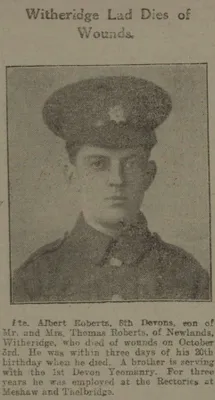
Albert Roberts
Paul Roberts’ book is now available to purchase! Order your copy of History Maker here.How The British Newspaper Archive played a key role in the completion of a new book about my great-great-grandfather who had 30 grandsons serving King and CountryI found the picture by pure chance – on a village history website. It was of John Roberts, a man with a bushy beard and sideburns and wearing a bowler hat and a big smile. A caption below it was
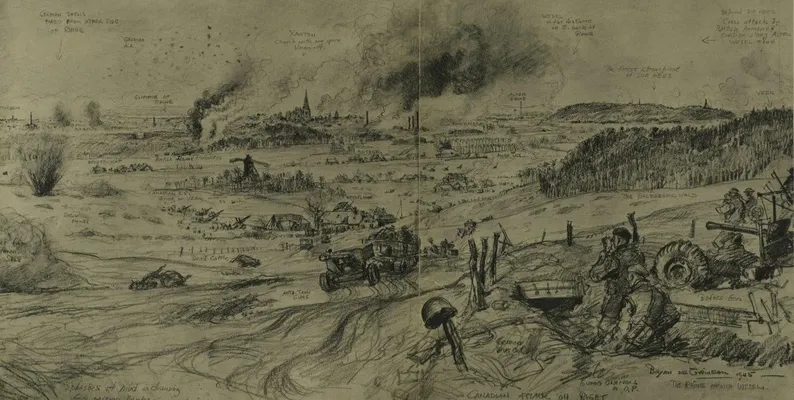
History was once dominated by ‘great men’ and ‘great battles’.  Today we can tell a far more nuanced story about the impact of warfare on nations and communities.  Newspapers can help to tell that story.  The papers in The Archive stretch back to the early 1700s and into the 2000s and can be used to research many famous, and forgotten, conflicts. Throughout November we will explore a variety of topics related to the history of conflict and the military services.
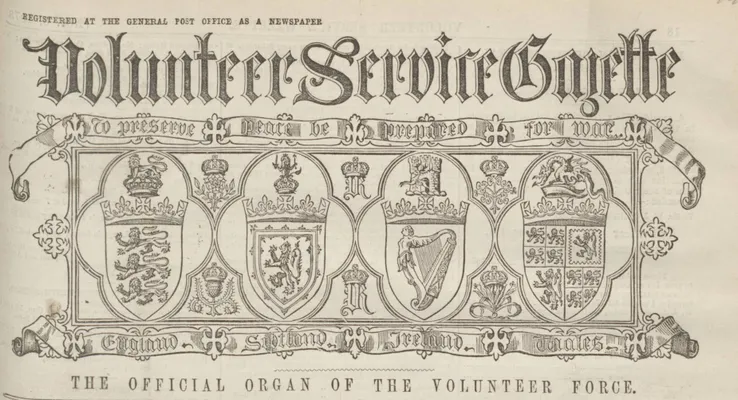
As we explored in our other blog post, military topics and history can be found in every newspaper in The Archive. We also hold a range of specialist military titles.  These titles fall into three broad categories: newspapers aimed at the volunteer and military services, newspapers from towns which had large military or naval bases, and newspapers published during the course of a conflict.Click on each paper’s title to be brought to its Title Page in the table below.
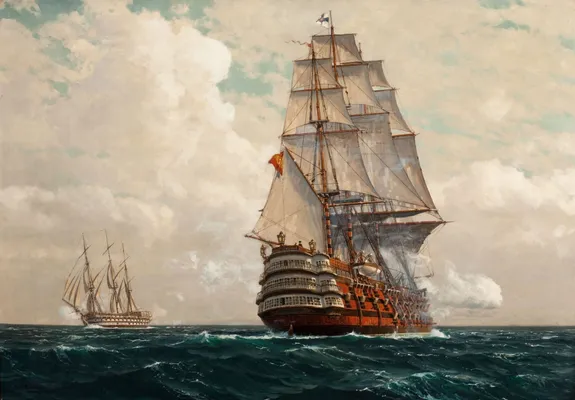
Old newspapers regularly featured passenger lists, news from abroad, foreign destination guides and other travel-related musings, making the British Newspaper Archive the perfect research companion for anyone interested in how people moved around the world in days gone by.Register Now and View 3 FREE PagesWhether you’re a genealogist having trouble pinpointing your family’s voyage to another country or a student doing a thesis on historical migration patterns, the Archive may hold a key piece of information for your research.
The Clog Dance
This week’s episode of Who Do You Think You Are? took us down under and all over Australia. Craig Revel Horwood was able to learn how his ancestors on both sides of his family came to be in Australia and what activities occupied their days, from mining for gold to clog dancing.Convicts in the familyCraig’s family history journey began with his sister’s retelling of their great-great grandfather Moses Horwood being convicted of theft and transported to Australia.While