Skip to content

Search the blog

Author: the-bnaTag: manchesterTag: fashion
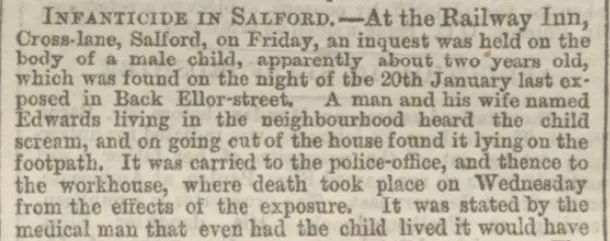
As part of our history of law and crime month on The Archive, we are delighted to featured a very special guest post by author and former probation officer Martin Baggoley, who has written extensively on the history of crime and punishment.In this guest post, Martin describes how he used The Archive to research the tragic topic of infanticide in Victorian Salford, a desperately sad chapter in Britain’s crime history. So read on to discover the methods that Martin
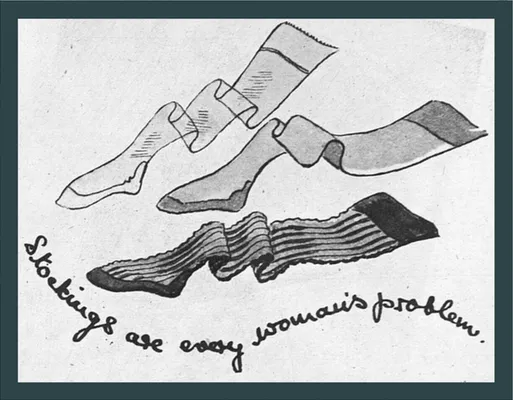
stockings
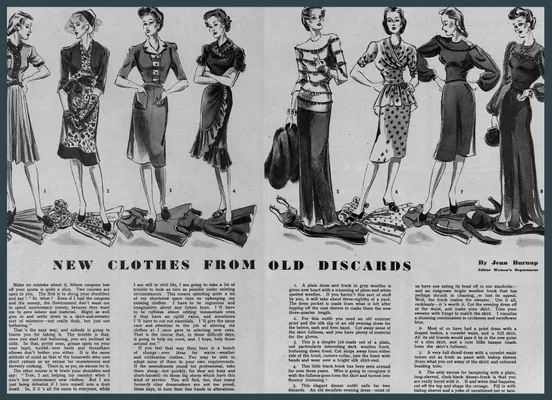
In discussing the fashions during the Second World War, we turn to the pages of Britannia and Eve.  Along with providing general news, this paper has dedicated sections on such topics as fashion, home, and knitting. Wonderful illustrations and photographs are included amongst its pages.Explore all our fashion findings here!KnittingKnitting advice and patterns are no strangers to the pages of our newspapers. It could be said that the value of such readily available information was made all
new clothes from old
War impacts every part of life, some more obvious than others. In this post, we will explore the impact of war on fashion; particularly, we will look at how the topics of economy and quality shaped war-time fashion. The article excerpts included in this post are from two recurring columns: ‘The Highway of Fashion‘, printed in The Tatler, and ‘Fashions by Jean Burnup‘, printed in Britannia and Eve.Explore knitting and fashion in the Second World WarEconomyWith the
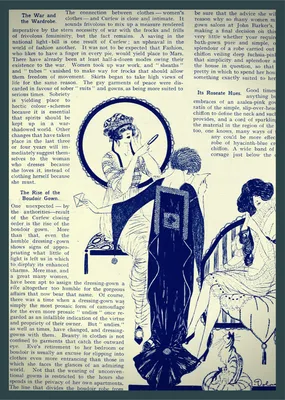
War and wardrobe
When you first think of the Great War, I’d wager that fashion is not the first thing to come to mind. However, it was, in fact, on the mind of many who lived through those years of war.There are several series dedicated to the topic of fashion that ran throughout the war years and that you can find in The British Newspaper Archive: (1) ‘Woman’s Sphere in War Time’, printed in The Sphere; (2) ‘Woman’s Ways’, printed in The Sketch; (3) ‘The
Michelle Higgs, author of A Visitor’s Guide to Victorian England, has uncovered lots of fascinating stories by searching our historical newspapers. She got in touch to tell us about Lady Florence Harberton and her fight for Victorian women’s freedom to wear practical clothing.**************It might surprise you to know that until the 1870s, it was rare to see unaccompanied middle or upper-class women walking in the streets. This was because they ran the risk of being mistaken for prostitutes, so
The Manchester Courier and Lancashire General Advertiser, like other British newspapers, reported that Britain joined the First World War on 4 August 1914.The Courier makes for especially fascinating reading because it reported the news in a very different way.Manchester Courier: ‘Keep your country out of a wicked and stupid war’Many newspapers included an advert encouraging unmarried men between 18 and 30 years old to join the Army on 5 August 1914.This example is taken from another title printed in Manchester, the Manchester