Skip to content

Search the blog

Author: the-bnaTag: immigrationTag: traditions
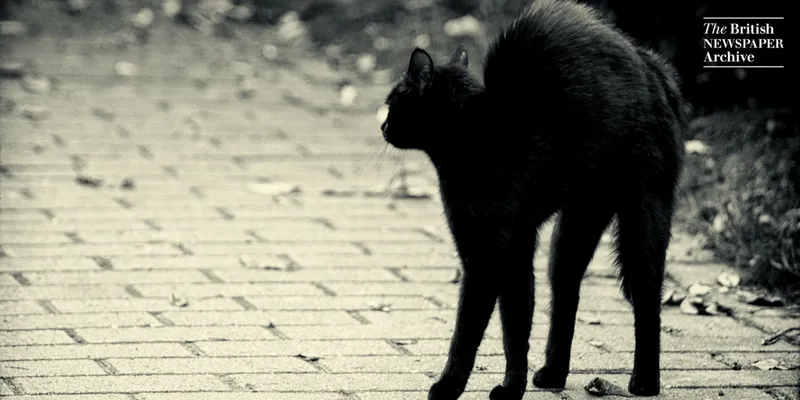
Black cat
Of witches and witchcraftAs we kick off our Halloween celebrations and delve into the history, contained within the newspapers, of witches and witchcraft (and supernatural beings), it is imperative that we preface this — perhaps unnecessarily — with an important disclaimer and reminder: witches, in the sense of practitioners of malevolent powers to do evil works, never existed. Those persecuted during the sixteenth century and onward were, more often than not, local healers and midwives.In 1562, Queen Elizabeth passed the law
Old newspapers regularly featured passenger lists, news from abroad, foreign destination guides and other travel-related musings, making the British Newspaper Archive the perfect research companion for anyone interested in how people moved around the world in days gone by.Register Now and View 3 FREE PagesWhether you’re a genealogist having trouble pinpointing your family’s voyage to another country or a student doing a thesis on historical migration patterns, the Archive may hold a key piece of information for your research.
The Clog Dance
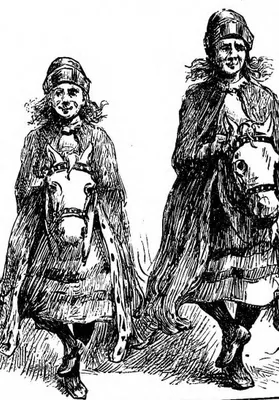
This week’s episode of Who Do You Think You Are? took us down under and all over Australia. Craig Revel Horwood was able to learn how his ancestors on both sides of his family came to be in Australia and what activities occupied their days, from mining for gold to clog dancing.Convicts in the familyCraig’s family history journey began with his sister’s retelling of their great-great grandfather Moses Horwood being convicted of theft and transported to Australia.While
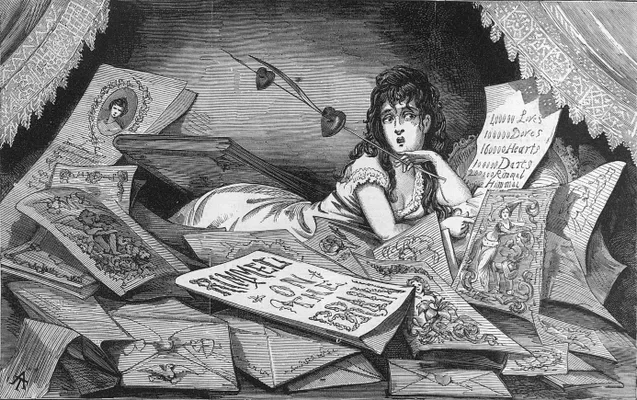
Valentine’s Day in its present iteration is inexorably linked to both romantic love and commercialism. It inspires strong feelings, both for and against this day of chocolate boxes and heart-shaped cards. However, the day and its traditions have not been static. In performing a simple search for ‘Valentine’s Day’ on The British Newspaper Archive, you can start to see the ways in which the holiday — and its reception — have changed (and, occasionally, stayed the same) over the years.An 1845 description