Skip to content

Search the blog

Author: the-bna
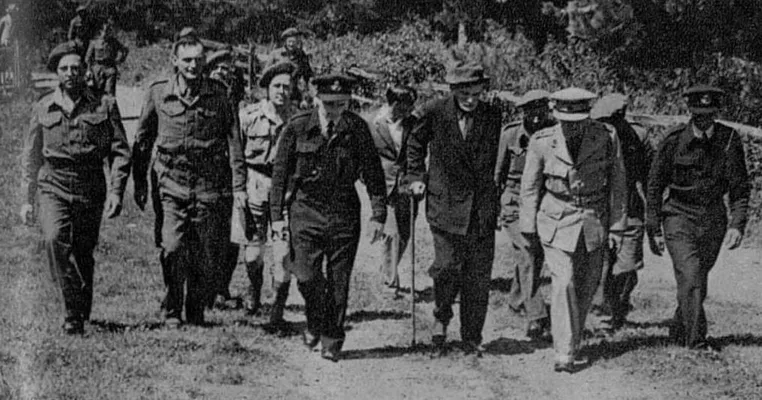
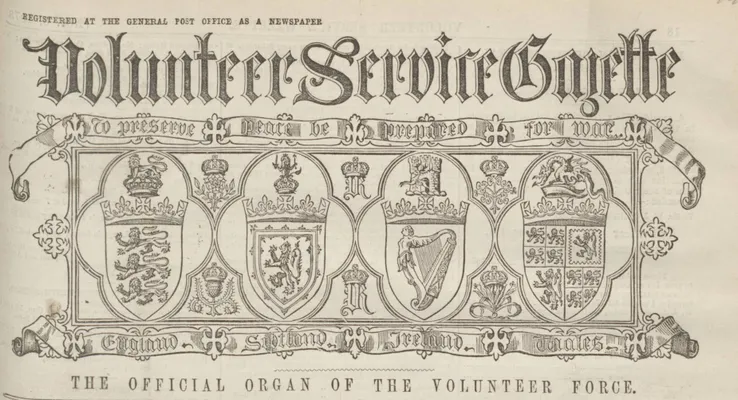
As we explored in our other blog post, military topics and history can be found in every newspaper in The Archive. We also hold a range of specialist military titles.  These titles fall into three broad categories: newspapers aimed at the volunteer and military services, newspapers from towns which had large military or naval bases, and newspapers published during the course of a conflict.Click on each paper’s title to be brought to its Title Page in the table below.
Egon Schiele
While we overwhelmingly mark 31 October as simply the celebration of Halloween, we wanted to highlight some other events that have occurred on this day over the years.On this dayOne event that had an overwhelming and lasting impact took place on this day in 1517: Martin Luther posted on the door of Castle Church, Wittenberg, his 95 Theses.The ever-expanding United States admitted its 36th state on 31 October 1864: Nevada.One of the earliest transcontinental highways in the United States was dedicated
Black cat
Of witches and witchcraftAs we kick off our Halloween celebrations and delve into the history, contained within the newspapers, of witches and witchcraft (and supernatural beings), it is imperative that we preface this — perhaps unnecessarily — with an important disclaimer and reminder: witches, in the sense of practitioners of malevolent powers to do evil works, never existed. Those persecuted during the sixteenth century and onward were, more often than not, local healers and midwives.In 1562, Queen Elizabeth passed the law
Haunted
With Halloween approaching, we wanted to see what we could find related to the topic of hauntings in The British Newspaper Archive.Of children and hauntingsOften the origins of a haunting myth are rooted in death and loss. Sometimes the myth grows and morphs to such a point where its origin is indeterminate. Other times, the sad truth of its origin is unexpectedly revealed, as with the ‘grim discovery’ at a ‘haunted house’ in 1921, reported in The Scotsman.This
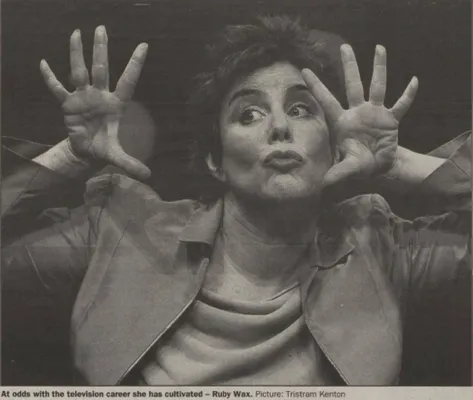
In this week’s episode of Who Do You Think You Are? Ruby Wax confronted the hidden past in her family tree.  The episode proved cathartic for Ruby who came to a better understanding of her parents’ lives, particularly her mother’s.  The personal revelations perfectly illustrated that it is one thing to know ‘history’ in general terms, it is quite another when that history has directly impacted your family.When family cannot or will not speak about events it is possible
The British Newspaper Archive
This week we have 5 brand new papers for you, bringing our total number of newspapers to 820.  We have also added to nineteen of our existing titles.  In total we added 161,804 pages this past week.  We have added new papers for Somerset, London, Shropshire, Gloucestershire and Cheshire.Among our new titles is The Atlas – A General Newspaper and Journal of Literature.  One of the paper’s claims to fame was that it was ‘on the largest sheet ever printed’.  The substantial 16-page
Hopefully, you were able to join us live for our local history webinar, presented by Michala Hulme. However, if you weren’t able to catch it live or want a refresher, watch it on our YouTube channel here!In reviewing the lively and engaging Q&A that took place during the webinar, we’ve pulled out a few questions that we wanted to highlight and expand upon.Search tip 1Can The British Newspaper Archive distinguish between buildings, ships, towns, and surnames? Every time
This week’s episode of Who Do You Think You Are? showed how family history research can reveal previously unknown histories from both the recent and distant past.  Using original documents and newspaper accounts Lisa Hammond was able to reconstruct the military service of her grandfather during World War 2, a part of his life that was unknown even to his children.  At the other end of the spectrum Lisa delved deep into her family’s past and discovered that their roots extended
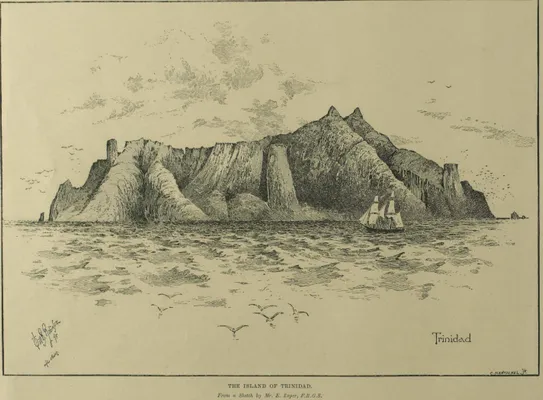
In this week’s episode of Who Do You Think You Are?, Noel Clarke knew his family tree would bring him directly to the Caribbean island of Trinidad.  Both his mother and father had emigrated to England from the island.  But in telling their story, he discovered a rich, and sometimes difficult, heritage which connected him deeply to several of the islands of the Caribbean.  His family story reflects the experience of many Trinidadians, and the events which affected their lives
Discover more about specific occupations, industries and the history of working conditions and employment regulations in our historic newspapers.  In towns and villages across Britain and Ireland people plied their trades, from carters and hawkers, to seamstresses and tailors.  As the centuries passed agriculture gave way to industry and the ‘factory-worker’ was born.  Read our blog to discover more about the history of work & occupations.Of Cordwainers, Chandlers & Night-Soil MenThere are some historic occupations that are no longer with