
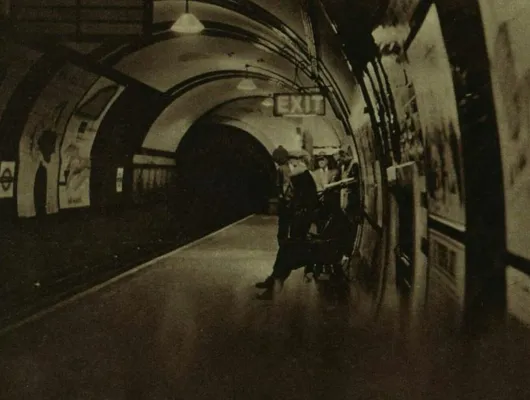
Reading like a 1950s noire novel, or a Cold War thriller from the pen of John le Carré, the murder of Polish aristocrat Countess Teresa Lubienska on the platform of Gloucester Road Underground station shocked the nation, and provoked a massive man hunt that saw 18,000 people interviewed over the following months.Belfast Telegraph | 25 May 1957Using contemporary articles found in the British Newspaper Archive, we explore the circumstances of Countess Lubienska’s murder, the possible motives behind her killing, and the efforts…
Blog
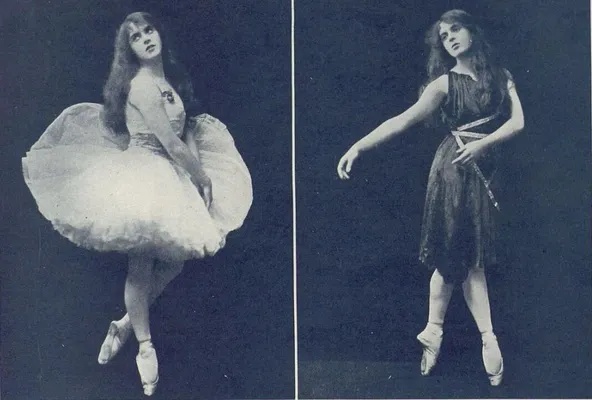
Prima ballerina, choreographer, teacher and business woman, Irish born Dame Ninette de Valois was instrumental in raising the global profile of British ballet, founding the company that would become the Royal Ballet, and nurturing the talent of some of the country’s most famous dancers, including Alicia Markova and Margot Fonteyn.In this special blog, we take a look at de Valois’ early years, her rise to prima ballerina, and her shift into production and choreography, using pages from the British…
More on this topic:
This week we have added 102,572 new pages to The Archive, and we continue to add brand new and exciting titles to our collection.This week sees the addition of new title The Queen to The Archive. The Queen, or to give it its full title, The Queen, The Ladies’ Newspaper and Court Chronicle was established as a society magazine by Samuel Beeton in 1861, and followed the goings-on of high society and the British aristocracy. We currently have the years 1887 to 1896…
More on this topic:
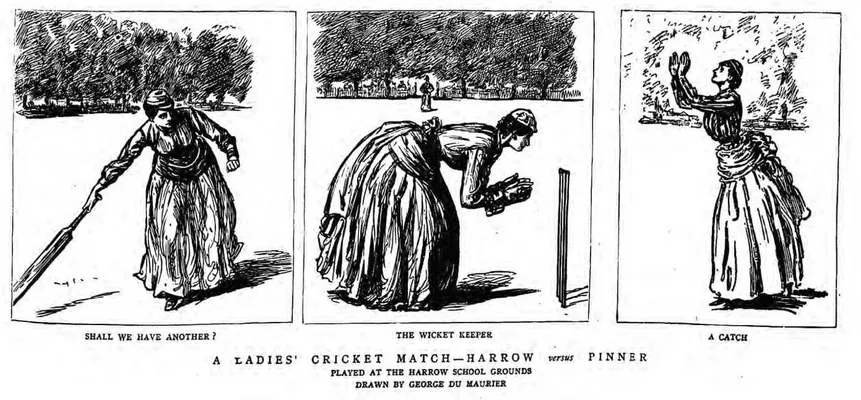
The first recorded mention of women’s cricket was in 1745, in Surrey. We searched our Archive for early mentions of women’s cricket, and we came across a treasure trove of articles describing the early history of the sport.Harrow versus Pinner | Graphic | 18 August 1888One of these comes from the Sherborne Mercury, published in August 1849. It describes a match between ‘nine married ladies’ and ‘nine single ladies’ played at Picket Post, in the New Forest. The single ladies were defeated by one…
More on this topic:
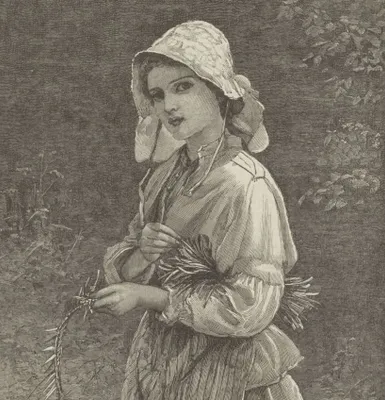
If you’ve got an agricultural labourer in your family tree, chances are you’ll have an ancestor who practiced straw plaiting. Straw plaiting was a cottage industry that saw its heyday in eighteenth and nineteenth century rural Britain, and was in the main part practiced by women and children. In this special blog, using articles and pictures from The Archive, we’ll take a look at the history of this discipline, from its heyday to its eventual decline.An article in the…
More on this topic:
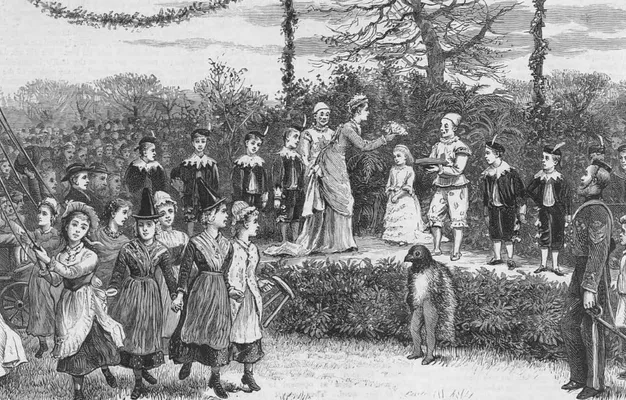
In this special blog we use the remarkable photographs and illustrations contained in our Newspaper Archive to trace the tradition of the May Queen over one hundred and fifty years, as well as exploring the origins of this fascinating ritual.We start out at Wymering, just outside of Portsmouth, in 1867. It was here, in the ‘latter part of the month of merrie May’, that a May Queen was crowned. The Illustrated Times tell us that the event is looked forward…
More on this topic:
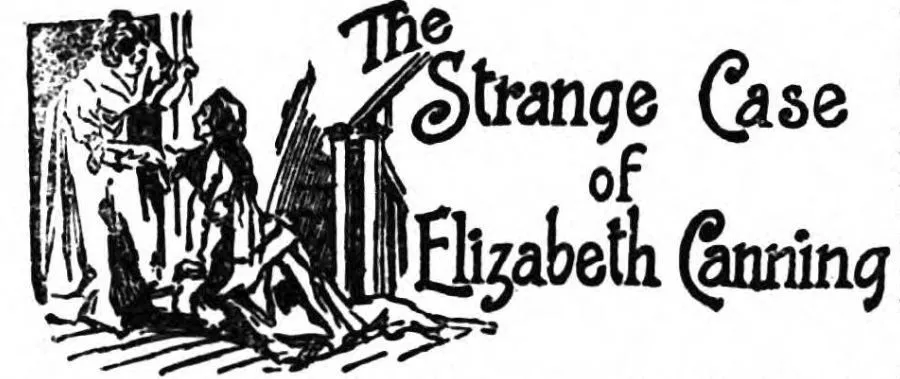
On the first day of January 1753 maidservant Elizabeth Canning disappeared. She returned to her mother’s house some twenty-eight days later, emaciated and bedraggled, claiming that she had been held in a room against her will. As the case went to court, and her captors were arrested, many came to disbelieve Elizabeth Canning’s tale, resulting in Canning herself going on trial for perjury.In 1754 the Manchester Mercury comments on the question of whether ‘Elizabeth Canning is or is not an Imposter,’…
More on this topic:

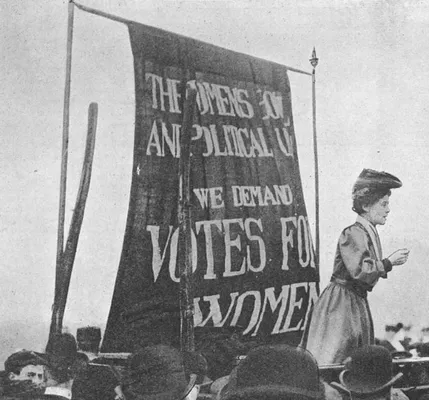
Alice Maud Mary Arncliffe-Sennett was an energetic militant suffragette, determined to fight for women’s suffrage even if that meant getting arrested and going against prominent leaders such as Emmeline Pankhurst and Milicent Fawcett. Through the newspapers, we can find details about Arncliffe-Sennett’s life, career, and activism.Alice, or Maud as she was often called, lived in London and worked as an actress. Her stage name was Mary Kingsley. Here is a review by The Era of her performance as Lady…
More on this topic:

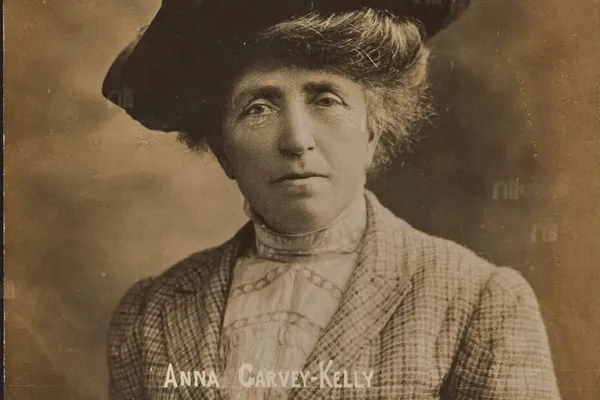
This year, in recognition of the centenary of the Representation of the People Act 1918, we will showcase the lives and activities of women involved in the Suffrage movement of the late nineteenth and early twentieth century.Despite making headlines for their activities many of these women are now forgotten.In this blog post we will revive the memory of Irish Suffragette, Anna Garvey Kelly, whose support of the cause of Suffrage saw her spend a month in Holloway prison in…
More on this topic:
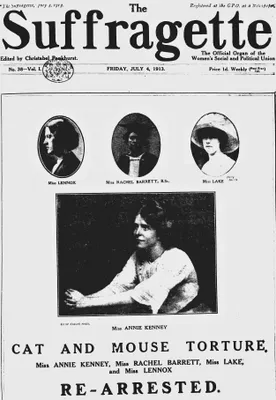
Annie Kenney gained attention in her work for the suffrage movement in 1905 following her arrest for assault and obstruction during a rally in Manchester. Kenney would become one of the leading figures in the Woman’s Social and Political Union and face imprisonment multiple times during her activist career fighting for the right to vote.Click on an image below to enlarge then use the arrows to move image by image throughout the collection. In the image viewer, you can also…
More on this topic: