Skip to content

Blog

Tag: Victorian Women
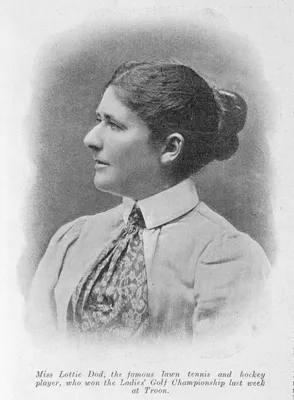
Merseyside-born, Charlotte ‘Lottie’ Dod, is the youngest ever winner of the Wimbledon Ladies Singles Championship, achieving her triumph in 1887 at the tender age of 15 years and 285 days.She won the singles title a remarkable five times in total, between the years 1887 and 1893.An article in the Sheffield Independent chronicles Lottie’s first ever Wimbledon victory in 1887.About the ladies’ singles there is little to be said – only five entered as against eight last year. Miss Lottie Dod simply “cantered” through the
This week has been a bumper week at The Archive as we have added 422,110 brand new pages, covering everything from spiritualism to yachting, from education to farming, spanning the world from Antigua to Australia, and back to Britain. We’re delighted to have added 10 exciting brand new titles, which cover an eclectic array of subjects, whilst we’ve also updated 54 of our existing titles from across Canada, the Caribbean, England, Wales and Scotland.So read on to discover more about each one
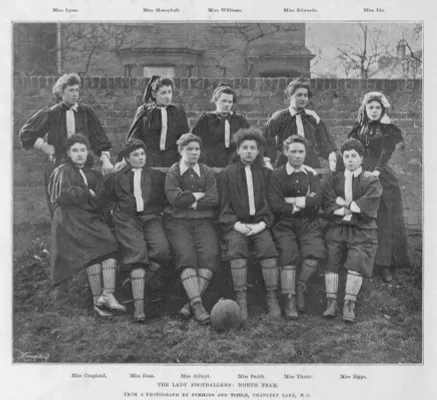
To celebrate International Women’s Day this year, and as part of our look at the history of football this March, in this very special blog we will be taking a look at pioneering early women footballers.Register now and explore the ArchiveFrom those who took to the pitch in the eighteenth century Bath, to those who played in the first international match in 1881, we will look at the women who disrupted the status quo in order to play a
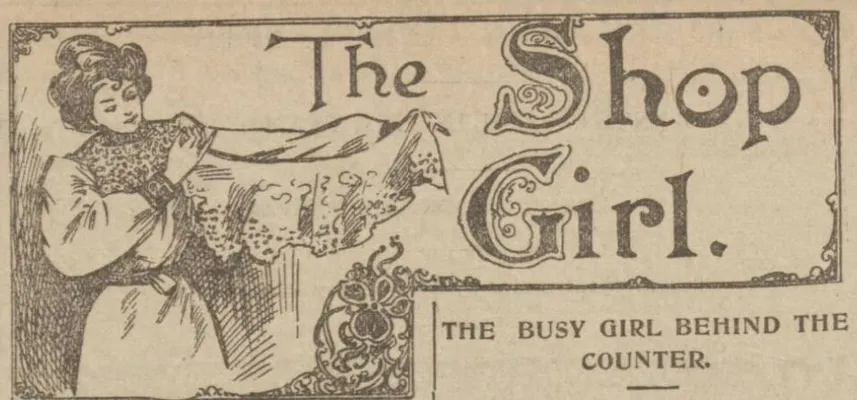
In November 1846, the ‘Friends of a respectable young Woman’ placed this advertisement in the ‘Wants‘ column of Saunders’s News-Letter:The Friends of a respectable young Woman wish to procure for her a Situation either as Attendant on a Lady or in a Nursery, or as a Shop Girl; she is adequate to any of the above capacities, and is willing to make herself generally useful, being of an humble, quiet and obliging disposition; she is a good needleworker, and can
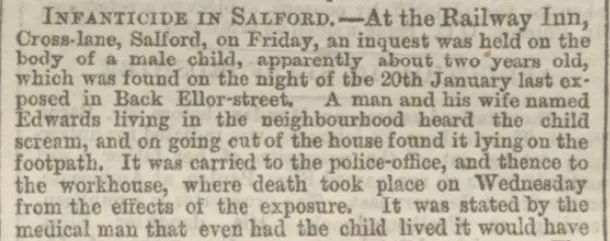
As part of our history of law and crime month on The Archive, we are delighted to featured a very special guest post by author and former probation officer Martin Baggoley, who has written extensively on the history of crime and punishment.In this guest post, Martin describes how he used The Archive to research the tragic topic of infanticide in Victorian Salford, a desperately sad chapter in Britain’s crime history. So read on to discover the methods that Martin
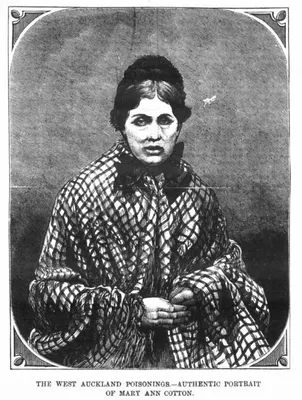
40-year-old Mary Ann Cotton was arrested in West Auckland, County Durham, in 1872 after her stepson, Charles Edward Cotton, was found to have been poisoned by arsenic. During the nineteenth century, arsenic was readily available and could be bought, unregulated, from most grocers. In this special blog, using pages from the British Newspaper Archive, we explore the crimes of Mary Ann Cotton, and how arsenic played a deadly role in everyday life.Want to learn more? Register now and explore The
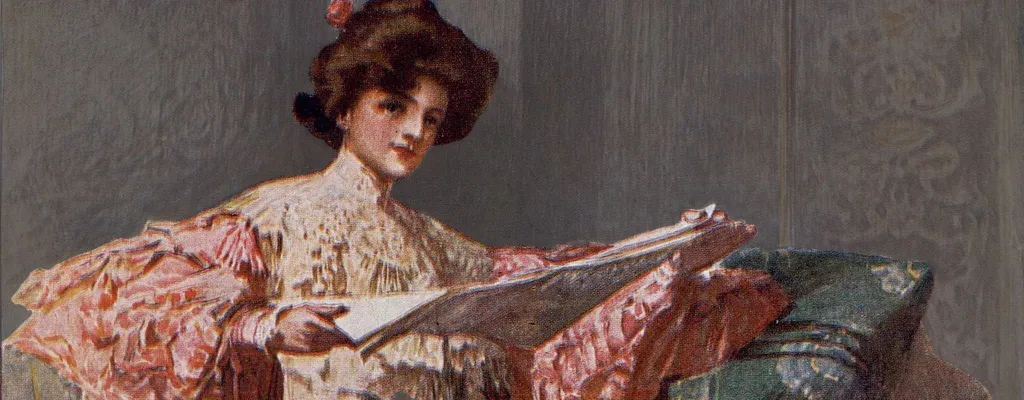
This week we have added 102,572 new pages to The Archive, and we continue to add brand new and exciting titles to our collection.This week sees the addition of new title The Queen to The Archive. The Queen, or to give it its full title, The Queen, The Ladies’ Newspaper and Court Chronicle was established as a society magazine by Samuel Beeton in 1861, and followed the goings-on of high society and the British aristocracy. We currently have the years 1887 to 1896
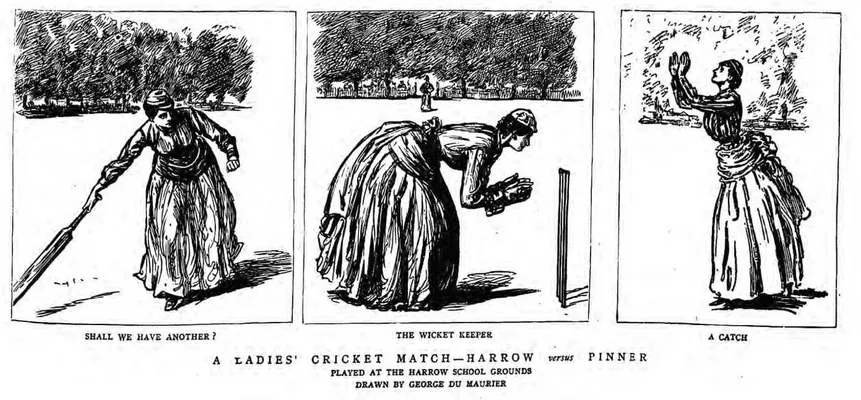
The first recorded mention of women’s cricket was in 1745, in Surrey. We searched our Archive for early mentions of women’s cricket, and we came across a treasure trove of articles describing the early history of the sport.Harrow versus Pinner | Graphic | 18 August 1888One of these comes from the Sherborne Mercury, published in August 1849. It describes a match between ‘nine married ladies’ and ‘nine single ladies’ played at Picket Post, in the New Forest. The single ladies were defeated by one
Michelle Higgs, author of A Visitor’s Guide to Victorian England, has uncovered lots of fascinating stories by searching our historical newspapers. She got in touch to tell us about Lady Florence Harberton and her fight for Victorian women’s freedom to wear practical clothing.**************It might surprise you to know that until the 1870s, it was rare to see unaccompanied middle or upper-class women walking in the streets. This was because they ran the risk of being mistaken for prostitutes, so