Skip to content

Blog

Tag: Womens History
This week at The Archive we are delighted to welcome one very special new addition, as well as the 97,542 brand new pages which have joined our collection over the past seven days.Register now and explore the ArchiveOur latest new title takes the shape of the Gentlewoman, a richly illustrated weekly newspaper for women. First published on 12 July 1890, the Gentlewoman was ‘presented‘ to her public. In introducing herself to the publishing scene, ‘she already makes bold to say [that]
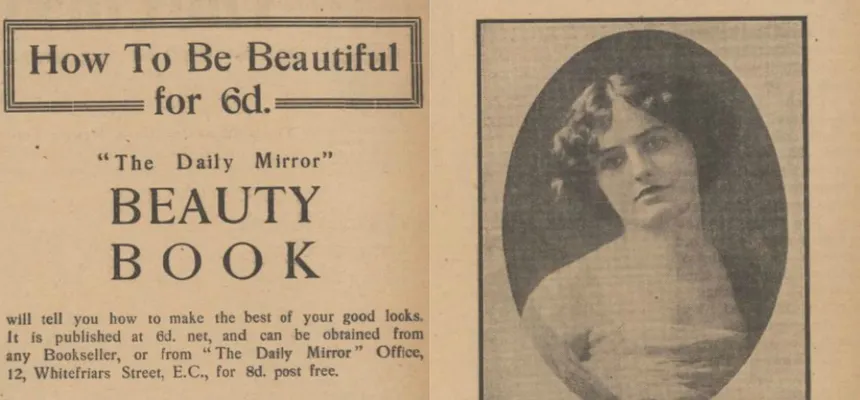
Every woman wants to be beautiful. Most women could be if they tried. Comparatively few know how to be.In 1910 the Daily Mirror published its very own Beauty Book, which promised to be ‘Every Woman’s Guide to Beauty.’ This was something revolutionary, as it opened beauty remedies and early makeup trends to its middle-class mainstream readership. Its publication came at a time where makeup was barely accepted, and indeed, many of its mainstays (mascara and nail polish, for example) had
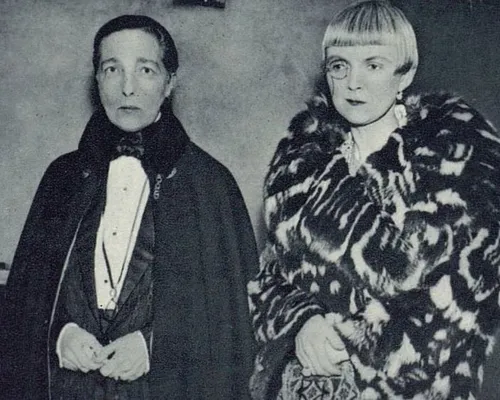
In 1928, novelist Radclyffe Hall published her seminal LGBTQ work The Well of Loneliness. Following the story of Stephen Gordon, an upper-class woman who finds love with one Mary Llewellyn and is consequently shunned by society, the work was groundbreaking in its lesbian subject matter.Radclyffe Hall | Graphic | 30 April 1927Although it was received favourably by many publications including the Daily Herald and Lady’s Pictorial, Sunday Express editor James Douglas began a campaign on 18 August 1928 to have Hall’s book banned – naming The
This week on The Archive we continue to bring you our top picks from our collection of specialist, national and regional newspapers. And in this vein, we turn our spotlight this week onto our very special suffragist newspapers, which chart how women across the British Isles and Ireland campaigned for the vote.Register now and explore the ArchiveNewspaper of The WeekOne of the most iconic of these titles is The Suffragette, later renamed Britannia. This newspaper was established
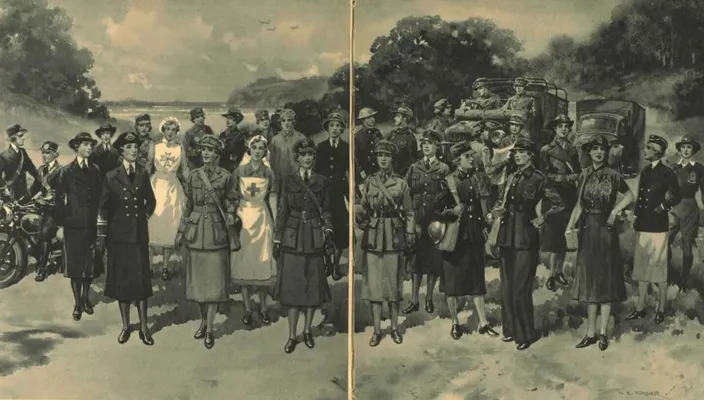
Continuing our commemoration of the 75 years since VE-Day, in this special blog we explore the vital role that women played throughout the course of the Second World War.In 1939, for a second time in just over twenty years, Britain found itself embroiled in an international conflict, and women stepped forward to work in civil defence, armed forces, and industry.  Unlike any other country, for the first time, British women were conscripted into service.  On 18 December 1941, the National Service No. 2 Act,
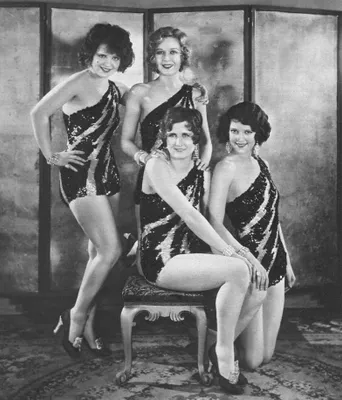
Not only did the flapper turn on its head traditional notions of femininity – she was arguably the first incarnation of youth culture in Britain and beyond. She was a good time girl, she drank, she smoked, she drove, she partied, she wore the latest outrageous fashions, she came home late – and in doing so, she preempted the youth culture movements of later decades.A study by Domergue | The Tatler | 3 June 1925In this special blog, we explore what being a flapper
More on this topic:
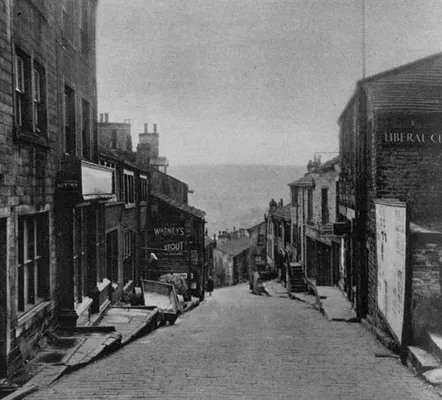
The Rev Patrick Brontë of Thornton, has been nominated to the Perpetual Curacy of Haworth, in the parish of Bradford, and has been licenced to the same by his Grace the Archbishop of York.Manchester Mercury | 14 March 1820This rather innocuous announcement appeared in the pages of the Manchester Mercury on the 14 March 1820. At the time, it would have been considered fairly run-of-the-mill: a typical clergy appointment. But 200 years later, these short sentences conjure up a wave of brilliant associations concerning
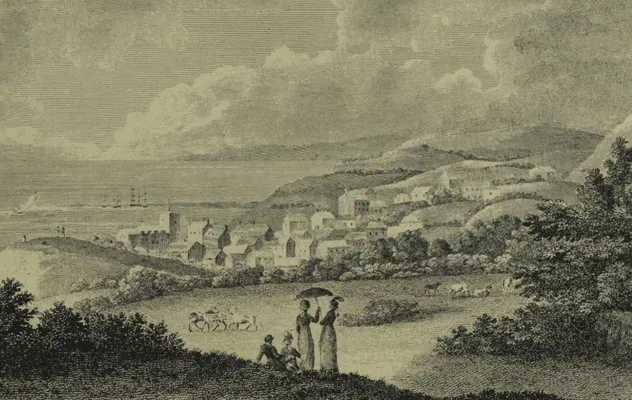
‘Disliking urban surroundings,’ Jane Austen ‘relied on the English countryside for her own happiness and for the background of her novels,’ so writes Wendy Hope in a 1975 Illustrated London News article. In this special blog, using pages taken from the British Newspaper Archive, we will explore the locations where celebrated novelist Jane Austen lived, wrote, and visited, and how they informed her novels.Want to learn more? Register now and explore The ArchiveIllustrated London News | 1 December 1975Bath – ‘A Determined
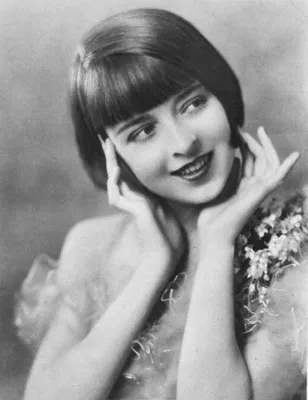
‘Short hair is not a whim of fashion; it is significant for an adaptation to modern existence,’ so proclaimed hairdresser Monsieur Eugène in 1929 (Britannia and Eve, August 1929).In this special blog, using pages from the British Newspaper Archive, we explore one of the most iconic fashions of the 1920s – the bob. We look at its cultural impact, its most famous wearers, and how women achieved and maintained the perfect bobbed style.Want to learn more? Register now and explore The
More on this topic:
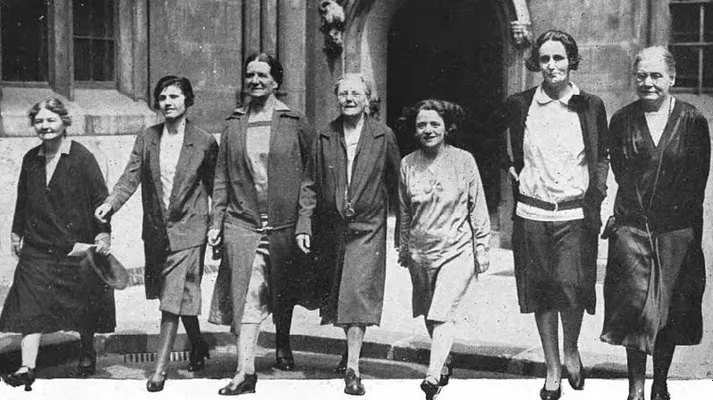
The 1920s were time of greater freedoms and liberation for women. They cropped their hair, their dresses got shorter and shorter; it was socially acceptable for them to drive, drink and smoke. But such freedoms would not have been possible without the pioneering women who not only shaped the decade, but the many years to come.Graphic | 27 July 1929In this special blog, using the British Newspaper Archive, we take a look at five of these remarkable women and their work.
More on this topic: