Skip to content

Blog

Tag: Womens History
Emmeline Pankhurst
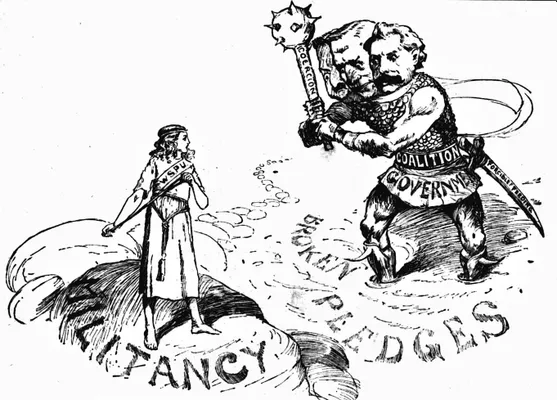
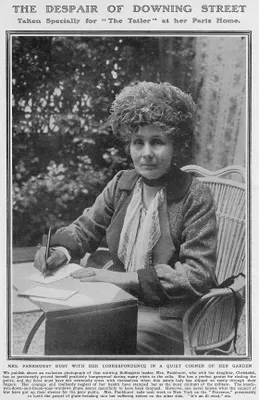
One name that you will doubtless encounter if you’ve spent any time researching the suffrage movement in England is Pankhurst. Emmeline and her daughters were actively engaged in the work, with Emmeline and, later, her eldest daughter, Christabel, leading the Women’s Social and Political Union.Click on the next arrow to scroll through eleven images featuring one of the most famous suffragettes in history.[Best_Wordpress_Gallery id=”44″ gal_title=”Emmeline Pankhurst”]Subscribe today and discover more stories on the suffrage movement
This year, 2018, is the 100 year anniversary of the Representation of the People Act 1918.  The Act which gave propertied women over the age of thirty, and all men over the age of twenty-one, the right to vote.  Over the course of 2018 we aim to digitise several suffragette and women’s newspapers.  These papers will allow us to explore the suffrage movement, and the social sphere of the women who campaigned for the right to vote.We are delighted to be able to
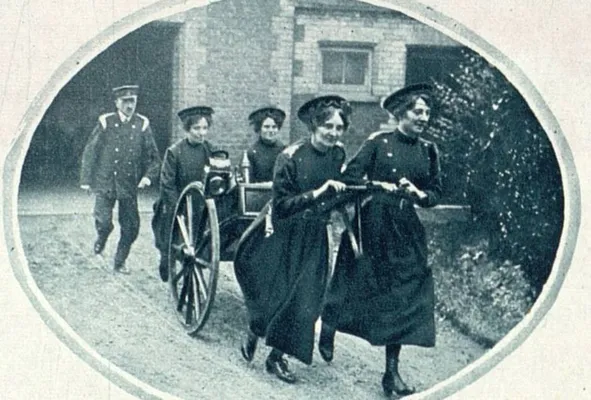
During the First World War (1914-1918), the role of women in Britain was massively altered and the women’s sphere was enlarged in every direction. Some historians mark the First World War as a watershed moment in women’s history when women were looked at less as fragile creatures and more as robust figures.  A single blog post is not enough to explore all the contributions of women during the Great War, but we have combed through The British Newspaper Archive and pulled
Today, we’re looking at two events that occurred on 18 May: the Khodynka Tragedy in 1896 and Jacqueline Cochran’s breaking of the sound barrier in 1953.Khodynka TragedyThe first took place in 1896 in the Khodynka Field, Moscow. The field was the site of festivities honouring the recent coronation of Emperor Nicholas II. Thousands gathered to celebrate and to, hopefully, receive rumoured gifts of food and a commemorative cup. With growing and increasingly frenzied crowds, the police force on duty for the festival
Mary Richardson, a Suffragette, slashed the Rokeby Venus painting at the National Gallery 100 years ago today.Read the stirring speech she gave at her trial, explaining her actions:View the whole newspaper pageManchester Courier and Lancashire General Advertiser – Friday 13 March 1914Image © Local World Limited. Image created courtesy of THE BRITISH LIBRARY BOARD.
More on this topic:
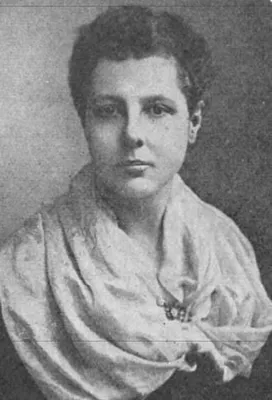
Annie Besant, a leading political activist and social justice campaigner in the 19th and 20th centuries, was born in Clapham, London, on 1 October 1847.To celebrate the day of her birth, here are four newspaper stories from that offer an insight into her character, political and social beliefs.Yorkshire Gazette | 15 October 1892Dundee Evening Telegraph | 7 December 1897
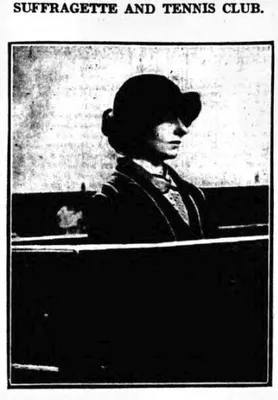
The fact that the green, purple and white colours of the Suffragette Movement are the same colours used by Wimbledon, has sometimes been commented upon.With this in mind, we thought we’d try and find some newspaper stories that bring together Wimbledon and the suffragettes.Oh, and we found some stories! We found two reports about an incident in 1913 when a suffragette attempted to burn down Wimbledon. One from the time, in the Derby Daily Telegraph, and another from fifteen
At the Epsom Derby on 4 June 1913, Emily Wilding Davison, an activist in the Women’s Social and Political Union (WSPU), ran out on to the racecourse in an apparent attempt to attach the suffragette colours to the King’s horse, ‘Amner’.Tragically, the terrible injuries that she sustained in the collision with the horse and jockey, led to her death four days later – she never recovered consciousness.To celebrate her tremendous courage and her committed activism for the WSPU, here is an
More on this topic: