Skip to content

Blog

Tag: Military History
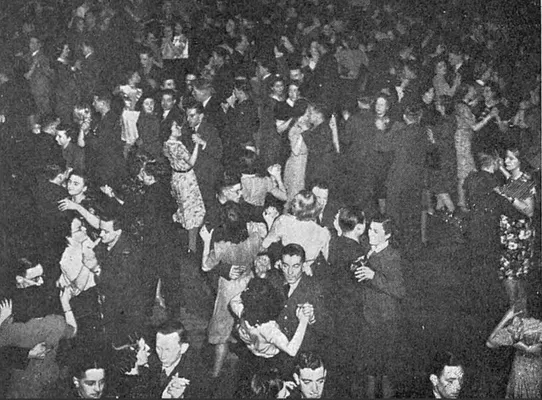
‘It is not proposed to make total war total misery,’ said the Home Secretary Herbert Morrison in 1942, as he announced in the House of Commons that dancing was not to be included in the ‘recreations that are to be restricted to prevent interference with the war effort.’Indeed, for many, dance was synonymous with their experiences of life in the Second World War. American GIs brought over with them new and exciting dance styles, and dancing itself was a way
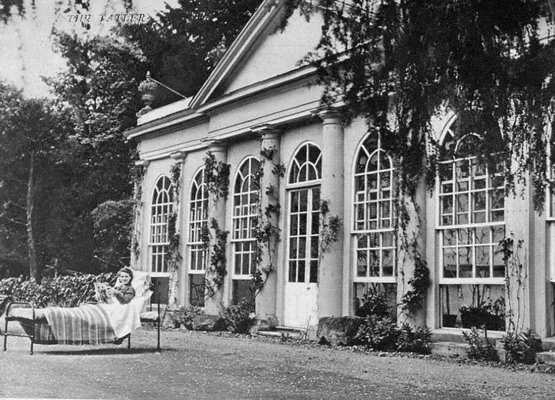
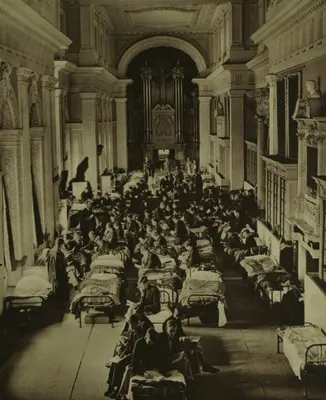
During the Second World War the government requisitioned country houses across the United Kingdom for the war effort. No house was exempt, with the grandest stately homes re-purposed to house everything from schools to maternity homes, from military hospitals to war supply depots.Using photographs and contemporary articles found in the British Newspaper Archive, we will look at the myriad of purposes for which stately homes were used during the six year conflict.Many houses were taken over to be
Over eighty years since the first children were evacuated from cities across Britain, and as part of our history of childhood month here at The Archive, in this special blog we will take a look at how country houses were requisitioned by schools and their evacuated children.Want to learn more? Register now and explore the ArchiveThe grandest of stately homes were not exempt from requisition, with some of the country’s largest and most famous houses, including Blenheim Palace,
We are delighted this week to feature a very special blog post from the High School of Dundee, written by Niall Joss, which explores how pupils connected with the First World War through the British Newspaper Archive and a war memorial.How did the British Newspaper Archive and a war memorial inspire primary school children to connect with the First World War?With the centenary of the end of First World War just passed, how can children born in the
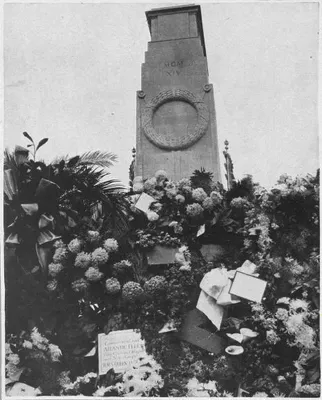
In this special blog post, we use newspapers from The Archive to investigate how the fallen soldiers of the First World War were remembered, and consequently, how all those killed in military conflicts across the world came to be commemorated via war memorials.Upon the cessation of conflict on 11 November 1918 there was hardly a household in Great Britain that had not been impacted by the horrendous number of casualties inflicted during the past four years. And not just in Great
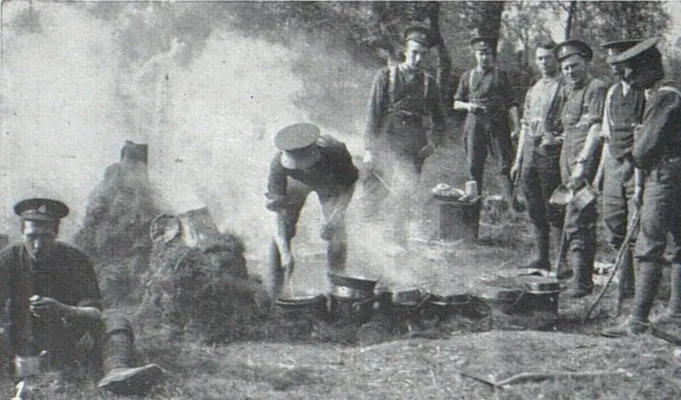
In war, food becomes a major concern.  Supplying the army and home-front with enough food is a huge logistical undertaking.  With a large army abroad in hostile territory, and the home-front far from self-sufficient, ensuring that they are kept fed and healthy becomes a primary concern for government and a national obsession.  As part of our focus on all things Military & Wartime during November, we have searched the newspapers to discover more about the history of food in wartime.An
More on this topic:
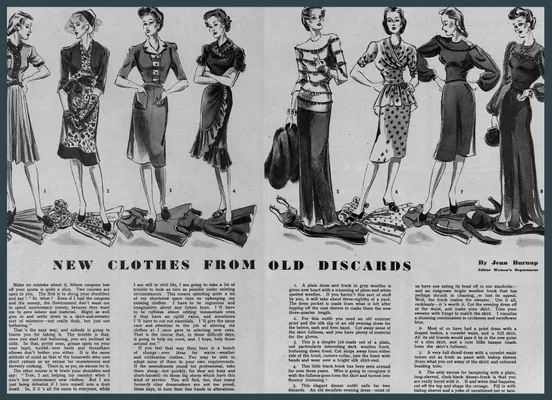
In discussing the fashions during the Second World War, we turn to the pages of Britannia and Eve.  Along with providing general news, this paper has dedicated sections on such topics as fashion, home, and knitting. Wonderful illustrations and photographs are included amongst its pages.Explore all our fashion findings here!KnittingKnitting advice and patterns are no strangers to the pages of our newspapers. It could be said that the value of such readily available information was made all
War impacts every part of life, some more obvious than others. In this post, we will explore the impact of war on fashion; particularly, we will look at how the topics of economy and quality shaped war-time fashion. The article excerpts included in this post are from two recurring columns: ‘The Highway of Fashion‘, printed in The Tatler, and ‘Fashions by Jean Burnup‘, printed in Britannia and Eve.Explore knitting and fashion in the Second World WarEconomyWith the
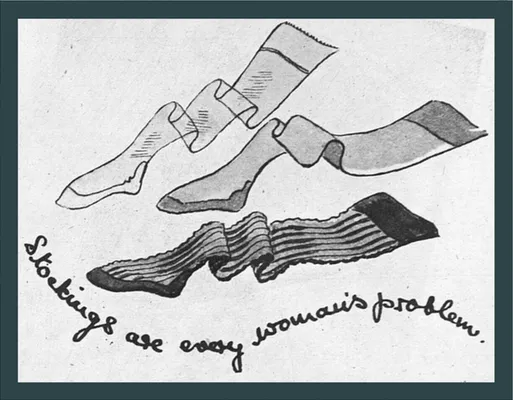
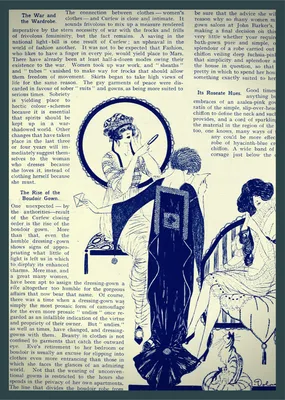
When you first think of the Great War, I’d wager that fashion is not the first thing to come to mind. However, it was, in fact, on the mind of many who lived through those years of war.There are several series dedicated to the topic of fashion that ran throughout the war years and that you can find in The British Newspaper Archive: (1) ‘Woman’s Sphere in War Time’, printed in The Sphere; (2) ‘Woman’s Ways’, printed in The Sketch; (3) ‘The
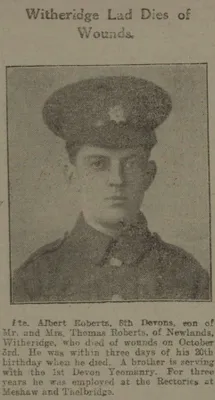
Paul Roberts’ book is now available to purchase! Order your copy of History Maker here.How The British Newspaper Archive played a key role in the completion of a new book about my great-great-grandfather who had 30 grandsons serving King and CountryI found the picture by pure chance – on a village history website. It was of John Roberts, a man with a bushy beard and sideburns and wearing a bowler hat and a big smile. A caption below it was