
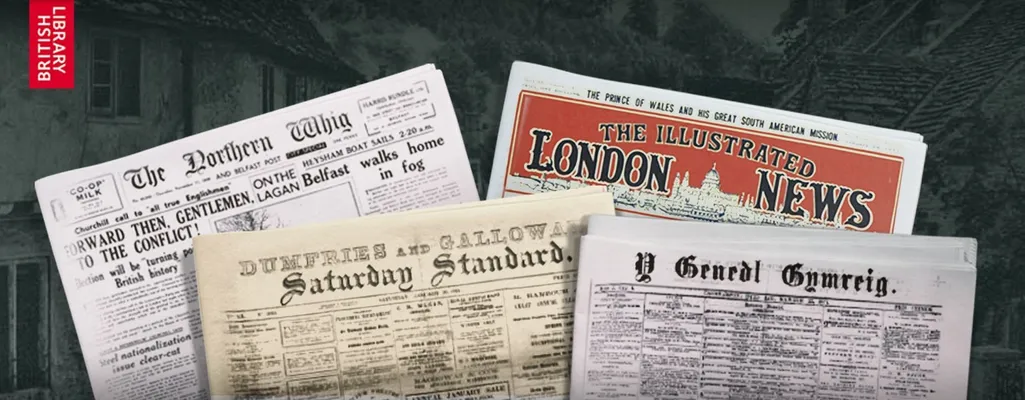
This week at The Archive we have been immensely busy adding 173,282 brand new pages to our collection. We have added an incredible 11 brand new titles over the past seven days, spanning such diverse countries as India, China, Dominica and Antigua, as well as some towns and cities slightly closer to home, like Beverley, Birkenhead and Blandford.Here at The Archive we don’t like to neglect our existing titles either, and so in this vein, we have added new pages to 19…
Blog
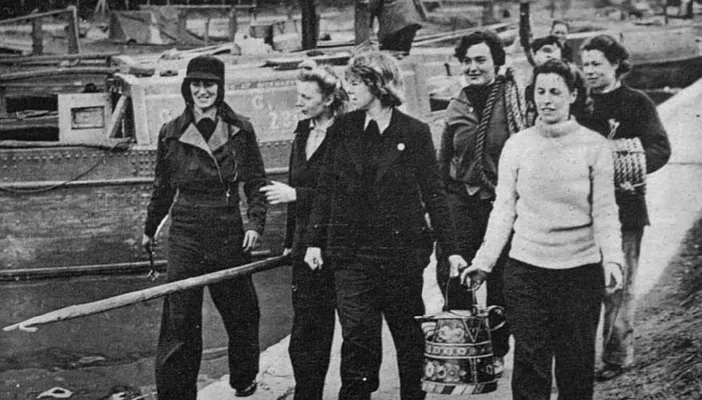
Nicknamed the ‘Idle Women,’ although they were about as far from idle as anybody could possibly be, the women canal workers of the Second World War performed vital war work which is all but forgotten today, some seventy years later.Some of the ‘Idle women’ arriving at a canal dock | The Sphere | 15 April 1944The curious name of ‘Idle Women’ came from the badges that these pioneering women wore, with the initials ‘IW,’ which stood for ‘Inland Waterways’. This moniker, given…
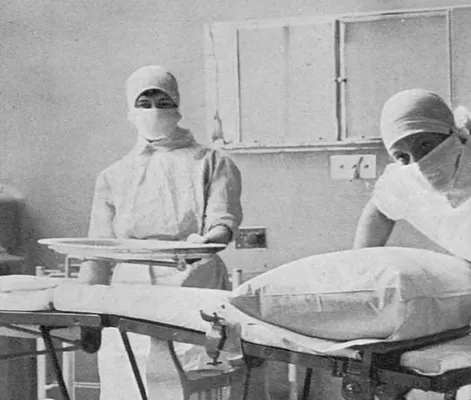
‘Plastic surgery, born in one war and perfected in another,’ had been practiced before the First World War, but it took this global conflict, and a second one, to develop plastic surgery as we know it today.The Sphere | 20 May 1933In this special blog, using newspapers taken from The Archive, we will trace the development of plastic surgery, from the work of Harold Gillies in the First World War, to its move into the cosmetic mainstream in the 1920s and…
More on this topic:
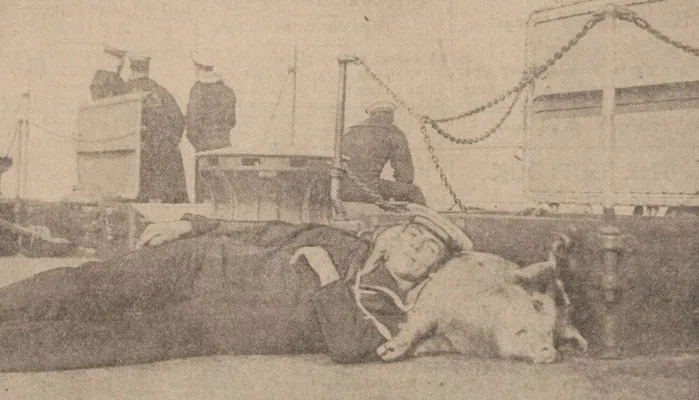
In this our latest animal-themed blog, we take a look at the extraordinary story of Tirpitz the pig. A shipwreck survivor, and charity fundraiser, we look through our newspapers to tell her remarkable and unlikely story.Register now and explore The ArchiveTirpitz and friend | Daily Record | 24 March 1916The tale of Tirpitz begins on board the SMS Dresden, a light cruiser of the German Imperial Fleet. Pigs were often kept on board battleships to supply fresh meat, but in a…
More on this topic:
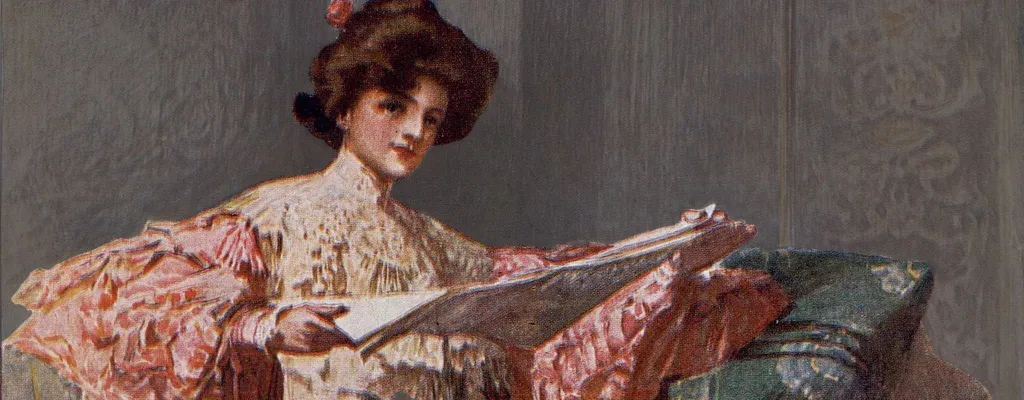
We have been extremely busy over the past seven days here at The Archive adding an exciting array of brand new titles and pages to our collection. We have a bumper crop of new titles (twelve in all!), as well as updates to fourteen of our existing titles, covering England, Wales, Ireland and Northern Ireland. We are delighted to have added 141,258 new pages in all. Read on to find out more about our fabulous array of new regional, national and…
More on this topic:
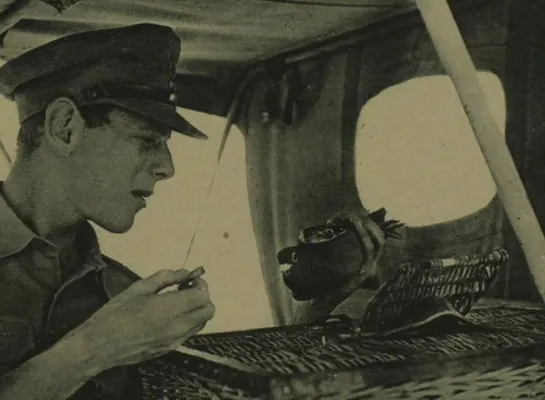
Every Army, Air Force, Navy and Secret Service in the world has its feathered battalions, and when the story of the war is written finally it will be found that many a battle has been won, many a ship preserved and many a life saved through the help of the feathered soldiers.These were the words of Victor Newton as he wrote for the Aberdeen Press and Journal in 1943, describing ‘how pigeons play their part in war.’ And so, in…
More on this topic:
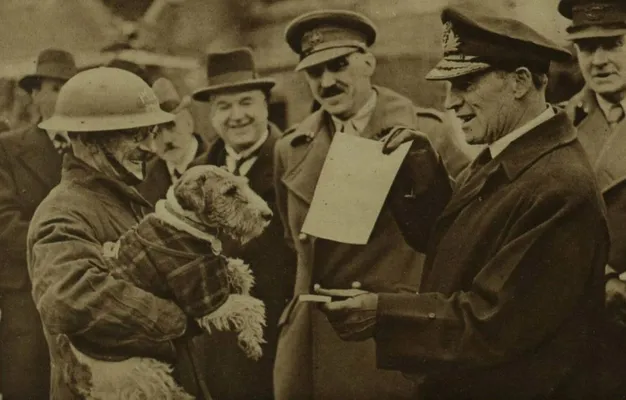
This month at the British Newspaper Archive we are celebrating all things pet related – and what better way to start than by taking a special look at some of the bravest cats and dogs that we have found in the pages of our newspapers?Irma the Alastian receives the Dickin Medal for rescue work during the Blitz | Illustrated London News | 20 January 1945From the role that dogs played on the European front during the First World War, and interwar domestic heroism,…
More on this topic:

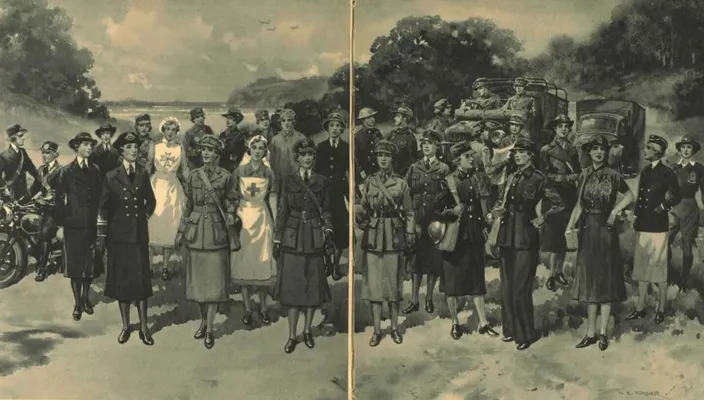
Continuing our commemoration of the 75 years since VE-Day, in this special blog we explore the vital role that women played throughout the course of the Second World War.In 1939, for a second time in just over twenty years, Britain found itself embroiled in an international conflict, and women stepped forward to work in civil defence, armed forces, and industry. Unlike any other country, for the first time, British women were conscripted into service. On 18 December 1941, the National Service No. 2 Act,…
More on this topic:

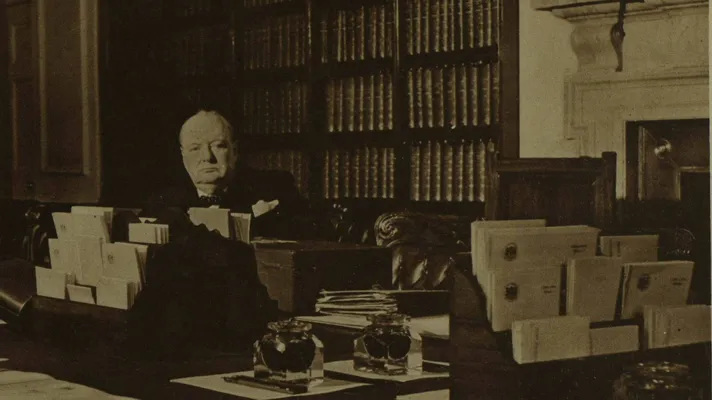
This year marks the 80th anniversary of wartime Prime Minister Winston Churchill’s most famous speeches. Coming to power after the failure of predecessor Neville Chamberlain to secure peace, Churchill faced a titanic task, and it was through his speeches that he laid down his powerful mantra.In this blog we will take a look at public feeling around the potential for peace with Germany during the weeks that Churchill came to power, and contemporary reactions to Churchill’s speeches in the…
More on this topic:
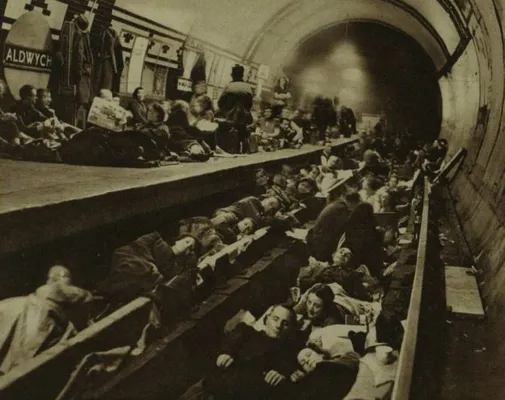
When the Blitz began on 7 September 1940, ‘It was the people of London who took command…Men, women, and children went straight to the safest place they could think of – the Underground stations.’In this special blog, over 80 years after the beginning of the Blitz, we take a look at how London’s main transport system – the Underground – became a popular place of shelter for those seeking protection from the German bombing campaign, using an assortment of articles and photographs all to be…
More on this topic: