Skip to content

Articles by The BNA

Explore articles written by The BNA

Top tip: Searching newspapers from a particular date, such as World War One

8 September 2014

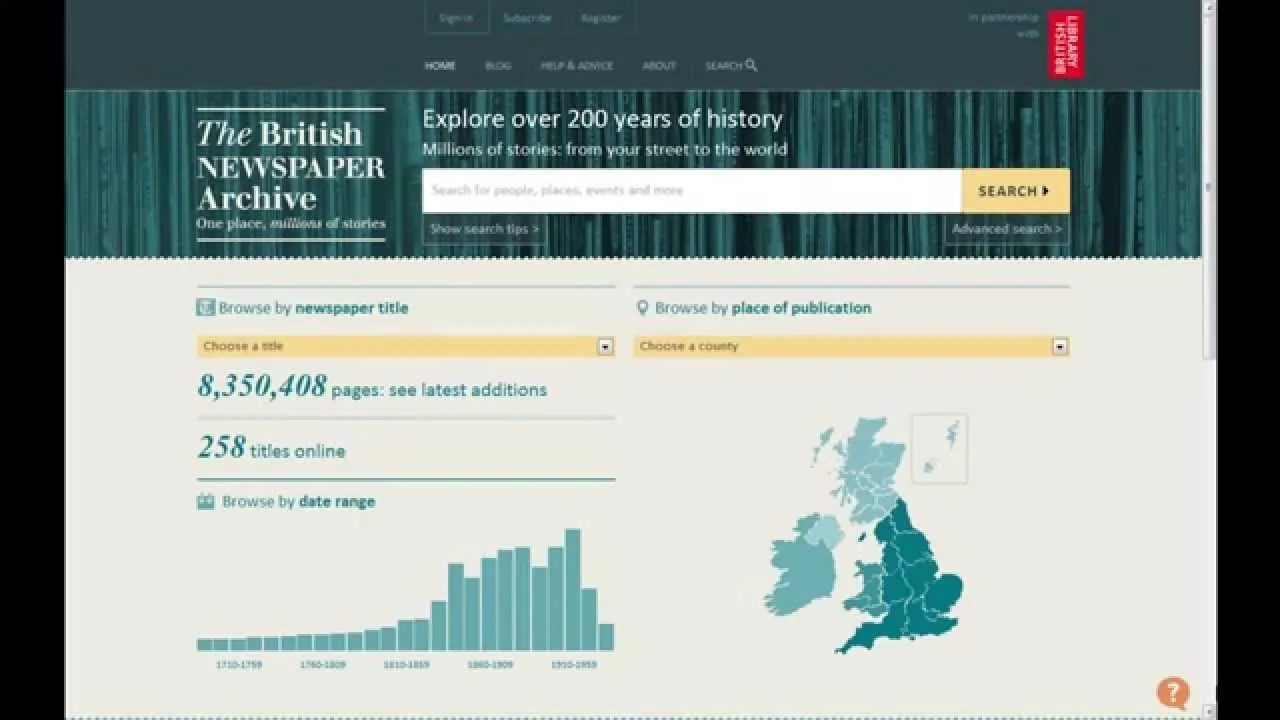
This step-by-step guide will show you how to search newspapers from a specific date range (such as World War One) at The British Newspaper Archive.Watch this short video tutorial or follow the steps below:Search the newspapersHow to search newspapers from World War OneThe easiest way to limit your search to a particular date range is to use the advanced search. You can get to this by clicking the ‘advanced search’ button on the homepage. Type the

Continue Reading
Historic headlines: Great Britain joins World War Two on 3 September 1939

2 September 2014

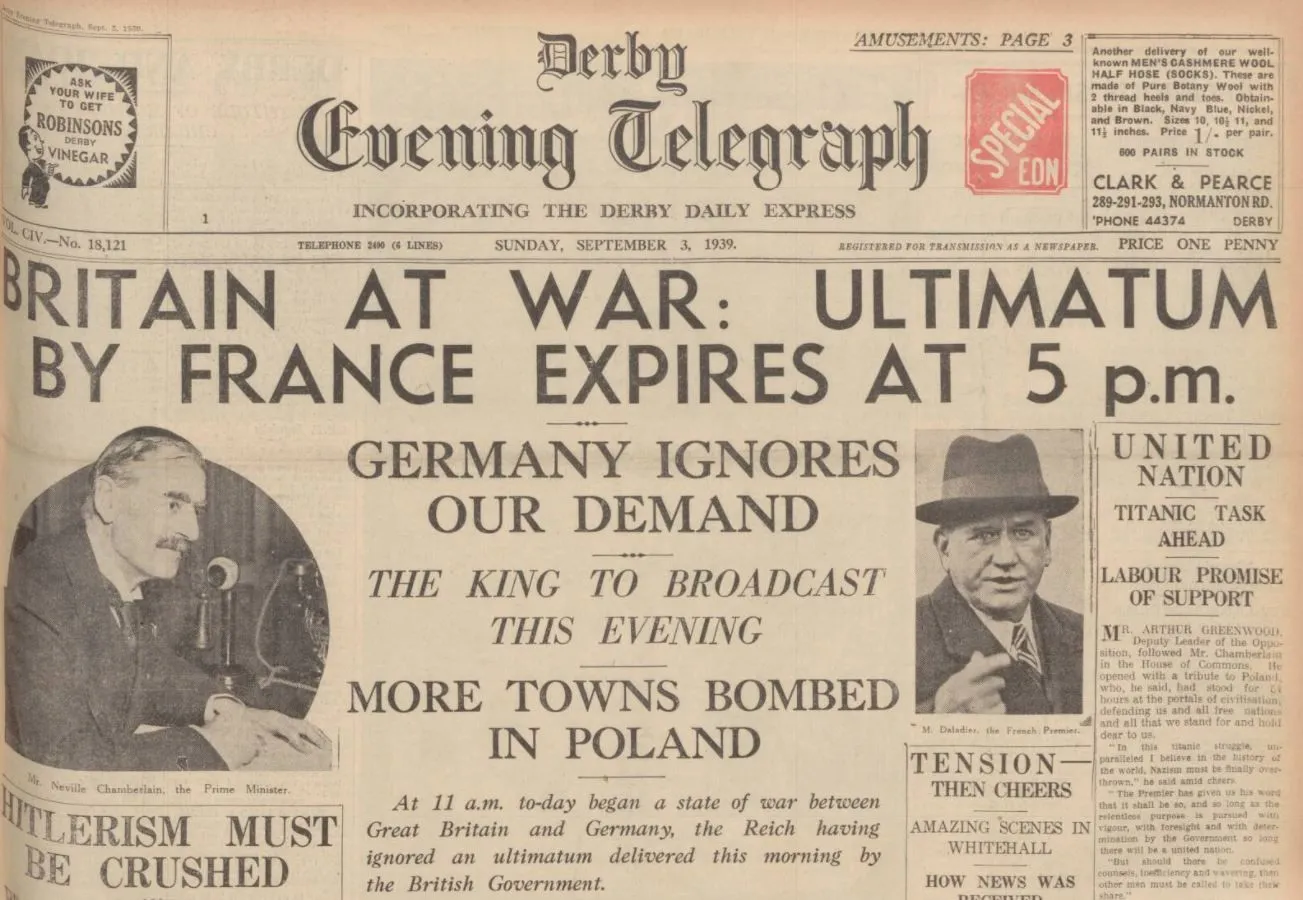
Not only does 2014 mark the 100th anniversary of World War One, it is also the 75th anniversary of the start of World War Two.  Britain declared war on Germany on 3 September 1939, following Nazi Germany’s invasion of Poland on 1 September.  Take a look at the newspaper headlines from Sunday 3 September, announcing that Britain was at war once more.Search newspapers from World War TwoNewspaper headlines from the beginning of WW2Derby Daily Telegraph | Sunday 3 September 1939Portsmouth Evening News prints WW2

Continue Reading

Lady Harberton, cycling and the ‘Rationals’ scandal

28 August 2014

Michelle Higgs, author of A Visitor’s Guide to Victorian England, has uncovered lots of fascinating stories by searching our historical newspapers. She got in touch to tell us about Lady Florence Harberton and her fight for Victorian women’s freedom to wear practical clothing.**************It might surprise you to know that until the 1870s, it was rare to see unaccompanied middle or upper-class women walking in the streets. This was because they ran the risk of being mistaken for prostitutes, so

Continue Reading

The Manchester Courier takes a different view of World War One

4 August 2014

The Manchester Courier and Lancashire General Advertiser, like other British newspapers, reported that Britain joined the First World War on 4 August 1914.The Courier makes for especially fascinating reading because it reported the news in a very different way.Manchester Courier: ‘Keep your country out of a wicked and stupid war’Many newspapers included an advert encouraging unmarried men between 18 and 30 years old to join the Army on 5 August 1914.This example is taken from another title printed in Manchester, the Manchester

Continue Reading

Is this the Illustrated Police News’ best illustration?

1 August 2014

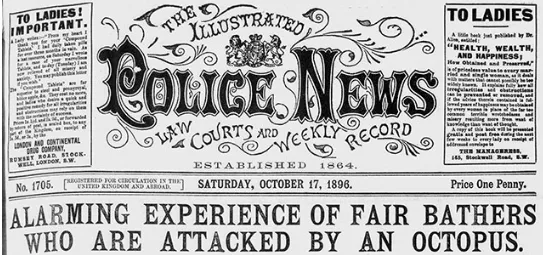
If you’ve ever explored the Illustrated Police News at The British Newspaper Archive, you’ll know it’s full of fantastically melodramatic images and stories.We think we may have come across our favourite illustration so far.Victorian ladies attacked by an octopusThis image graced the front page of the Illustrated Police News on Saturday 17 October 1896. It depicts four Victorian ladies attempting to flee from the sweetest-looking octopus we’ve ever seen.Illustrated Police News – Saturday 17 October 1896Image © THE BRITISH LIBRARY BOARD.

Continue Reading

Historic headlines: Great Britain joins World War One on 4 August 1914

30 July 2014

Following an ultimatum to withdraw German troops from Belgium, Britain declared war on Germany on 4 August 1914. Monday 4 August 2014 will mark the 100th anniversary of the start of Britain’s involvement in World War One.Front pages from the start of World War OneThe news that Britain had joined World War One featured prominently in many of the newspapers printed the following day.Search newspapers from World War OneHere’s a selection of the newspaper headlines announcing Britain’s involvement in WW1.

Continue Reading

The start of WW1: Austria-Hungary declares war

28 July 2014

World War One officially started on 28 July 1914 when Austria-Hungary declared war on Serbia.There are currently 25 newspapers from 28 July 1914 available to view online at The British Newspaper Archive. You’ll find clippings from some of these newspapers below, showing how the start of the war was reported.Explore newspapers from 1914 Austria-Hungary’s declaration of war starts WW1The Serbian Prime Minister received a telegram at 12.30pm on 28 July 1914. It stated that ‘Austria-Hungary… considers herself henceforward in state of war with Serbia’.While

Continue Reading

Working with Wikipedia to bring history facts to light

18 July 2014

We’ve recently donated 100 subscriptions to the Wikipedia community through the Wikipedia Library, a grant-funded programme which makes it easier for experienced volunteer editors to access research materials.It’s very exciting to be involved in this new partnership. It allows us to contribute to Wikipedia, one of the most frequently used reference tools in the world, and demonstrates how local British and Irish newspapers can help improve public information about historical topics from around the world.We asked Simon Tushingham, one

Continue Reading

Top tip: How to find newspapers from your county

16 July 2014

This handy step-by-step guide will help you find out which newspapers are available from a particular county at The British Newspaper Archive. Watch this short video or follow the five simple steps below.Search the newspapersSee which of your county’s newspaper archives are onlineFrom the homepage, click on the ‘choose a county’ dropdown menu. Scroll down until you find the county you’re interested in and click on it. You can search all of the historic newspapers from that

Continue Reading

Mrs Caudle: a 19th-century woman not to be crossed

7 July 2014

Mrs Caudle first appeared as a character in Punch magazine in 1845. She was portrayed as the archetypal nagging wife, always telling her husband off for something.The West Kent Guardian reveals the real Mrs CaudleThis article from the West Kent Guardian reveals that the real-life Mrs Caudle was also a woman not to be messed with. The newspaper published the following court report on Saturday 26 July 1845.West Kent Guardian – Saturday 26 July 1845Image © THE BRITISH LIBRARY BOARD. ALL RIGHTS RESERVED.

Continue Reading