Skip to content

Blog

Tag: Second World War
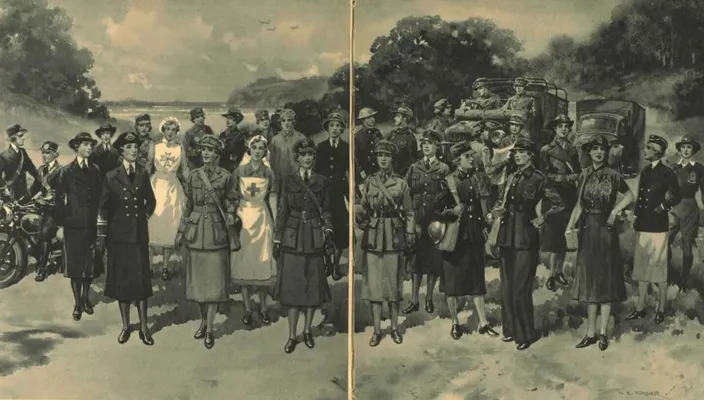
Continuing our commemoration of the 75 years since VE-Day, in this special blog we explore the vital role that women played throughout the course of the Second World War.In 1939, for a second time in just over twenty years, Britain found itself embroiled in an international conflict, and women stepped forward to work in civil defence, armed forces, and industry.  Unlike any other country, for the first time, British women were conscripted into service.  On 18 December 1941, the National Service No. 2 Act,
Reading like a 1950s noire novel, or a Cold War thriller from the pen of John le Carré, the murder of Polish aristocrat Countess Teresa Lubienska on the platform of Gloucester Road Underground station shocked the nation, and provoked a massive man hunt that saw 18,000 people interviewed over the following months.Belfast Telegraph | 25 May 1957Using contemporary articles found in the British Newspaper Archive, we explore the circumstances of Countess Lubienska’s murder, the possible motives behind her killing, and the efforts
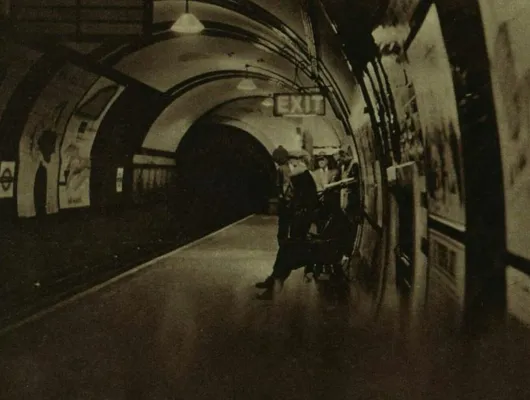
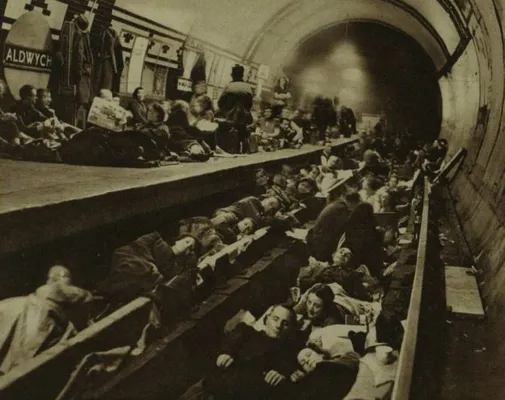
When the Blitz began on 7 September 1940, ‘It was the people of London who took command…Men, women, and children went straight to the safest place they could think of – the Underground stations.’In this special blog, over 80 years after the beginning of the Blitz, we take a look at how London’s main transport system – the Underground –  became a popular place of shelter for those seeking protection from the German bombing campaign, using an assortment of articles and photographs all to be
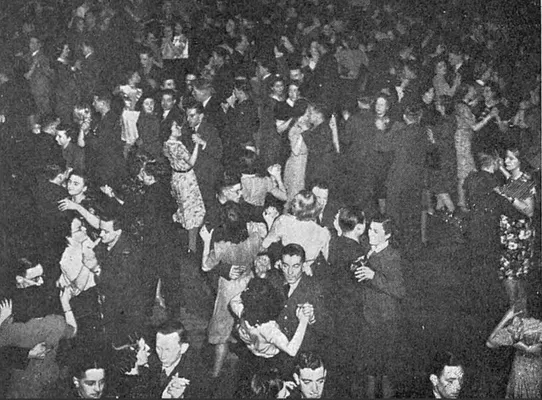
‘It is not proposed to make total war total misery,’ said the Home Secretary Herbert Morrison in 1942, as he announced in the House of Commons that dancing was not to be included in the ‘recreations that are to be restricted to prevent interference with the war effort.’Indeed, for many, dance was synonymous with their experiences of life in the Second World War. American GIs brought over with them new and exciting dance styles, and dancing itself was a way
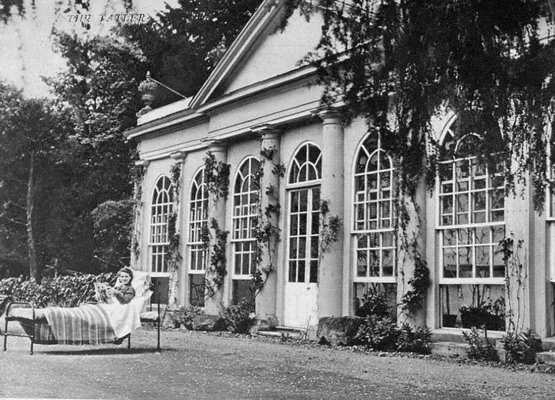
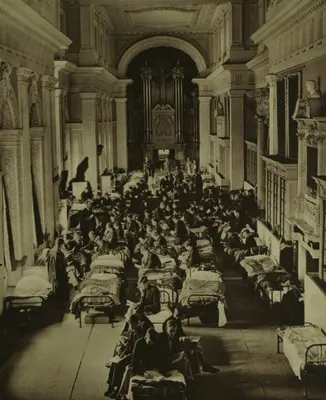
During the Second World War the government requisitioned country houses across the United Kingdom for the war effort. No house was exempt, with the grandest stately homes re-purposed to house everything from schools to maternity homes, from military hospitals to war supply depots.Using photographs and contemporary articles found in the British Newspaper Archive, we will look at the myriad of purposes for which stately homes were used during the six year conflict.Many houses were taken over to be
Over eighty years since the first children were evacuated from cities across Britain, and as part of our history of childhood month here at The Archive, in this special blog we will take a look at how country houses were requisitioned by schools and their evacuated children.Want to learn more? Register now and explore the ArchiveThe grandest of stately homes were not exempt from requisition, with some of the country’s largest and most famous houses, including Blenheim Palace,
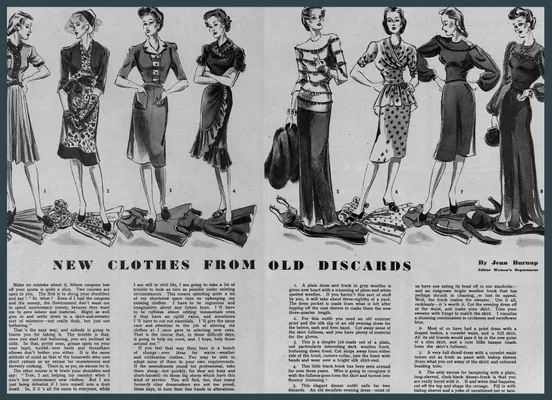
In discussing the fashions during the Second World War, we turn to the pages of Britannia and Eve.  Along with providing general news, this paper has dedicated sections on such topics as fashion, home, and knitting. Wonderful illustrations and photographs are included amongst its pages.Explore all our fashion findings here!KnittingKnitting advice and patterns are no strangers to the pages of our newspapers. It could be said that the value of such readily available information was made all
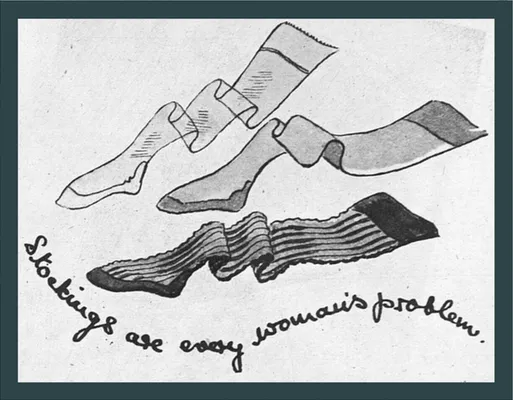
War impacts every part of life, some more obvious than others. In this post, we will explore the impact of war on fashion; particularly, we will look at how the topics of economy and quality shaped war-time fashion. The article excerpts included in this post are from two recurring columns: ‘The Highway of Fashion‘, printed in The Tatler, and ‘Fashions by Jean Burnup‘, printed in Britannia and Eve.Explore knitting and fashion in the Second World WarEconomyWith the
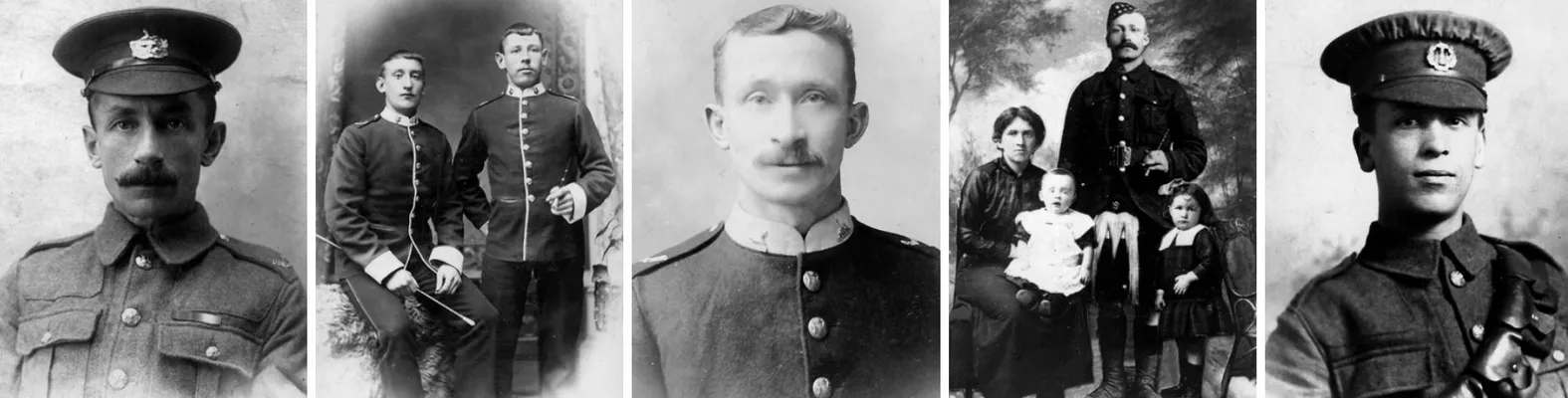
Researching British army ancestors in The British Newspaper ArchiveAs part of our military themed month, we are delighted to bring you a guest blog post by military researcher Paul Nixon.  Paul is the author of the blogs Army Ancestry Research and Army Service Numbers 1881-1918.  He has also recently launched a new endeavour, British Army Ancestors, a database of over 11 million men who served their monarch and country between 1850 and 1920 and a resource which enables visitors to search for photos
In honour of Remembrance Day, during the month of November, The British Newspaper Archive will be focusing our attention on military in the newspapers.  Coming up this month we will feature blogs about our special military titles, researching military history, women and war, and wartime rationing and fashion, as well as a guest blog about a remarkable Great War discovery from The Archive.  To begin our military month, we are delving into the newspaper headlines through the years for the