Skip to content

Blog

Tag: Literature
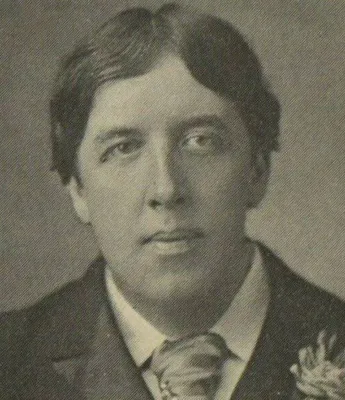
On 1 December 1900 the Sunderland Daily Echo and Shipping Gazette reported on ‘The Death of Mr Oscar Wilde:’The Paris correspondent of the Dublin Evening Mail telegraphs that Mr Oscar Wilde died yesterday at three o’clock in the Latin Quartier. He had been suffering for some time. Two days ago he became unconscious. Six weeks ago he underwent an operation, which appeared to have been successful, but a complication which followed proved fatal.The death of the poet, playwright and novelist
This week we are delighted to welcome 69,150 brand new pages to The Archive, with the addition of one very special brand new title from London. Meanwhile, we have updated twelve of our existing titles, with updates to our newspapers from Scotland, Wales and England, as well as to one our of special political titles.Meanwhile, this week marks 125 years since writer Oscar Wilde was released from prison, having been sentenced to two years’ hard labour for ‘gross indecency’ in 1895. So
This week at The Archive we are delighted to announce that we now have 42 million pages available to search, with our current total having hit 42,089,096 pages.In this last week alone we have added 112,706 brand new pages, with seven brand new titles joining us from England and from Wales. In all, we have added 161 years’ worth of headlines. Read on to discover the treats we have in store for you – from new titles from the West Country, to a day
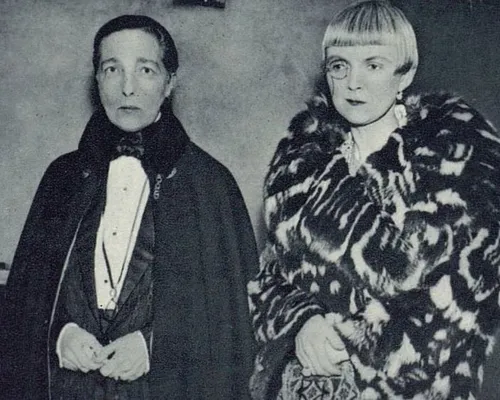
In 1928, novelist Radclyffe Hall published her seminal LGBTQ work The Well of Loneliness. Following the story of Stephen Gordon, an upper-class woman who finds love with one Mary Llewellyn and is consequently shunned by society, the work was groundbreaking in its lesbian subject matter.Radclyffe Hall | Graphic | 30 April 1927Although it was received favourably by many publications including the Daily Herald and Lady’s Pictorial, Sunday Express editor James Douglas began a campaign on 18 August 1928 to have Hall’s book banned – naming The
Here at The Archive this week we have released 73,928 brand new pages – and we are delighted to welcome three brand new titles to our ever-expanding collection, covering three different countries and nearly a century of news.Register now and explore the ArchiveOur first new title this week is for the West Yorkshire town of Halifax. Described as a ‘reputable provincial newspaper,’ the Halifax Guardian began life in 1832 as the Halifax Guardian and Huddersfield and Bradford Advertiser. The preferred local
The Rev Patrick Brontë of Thornton, has been nominated to the Perpetual Curacy of Haworth, in the parish of Bradford, and has been licenced to the same by his Grace the Archbishop of York.Manchester Mercury | 14 March 1820This rather innocuous announcement appeared in the pages of the Manchester Mercury on the 14 March 1820. At the time, it would have been considered fairly run-of-the-mill: a typical clergy appointment. But 200 years later, these short sentences conjure up a wave of brilliant associations concerning
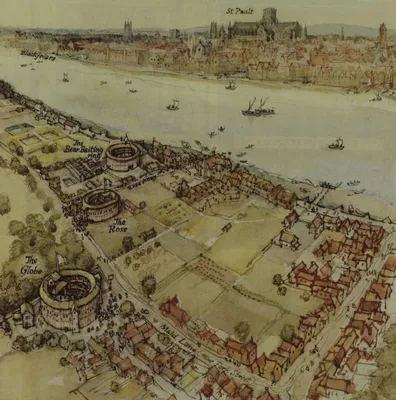
As Britannia & Eve relates, ‘In 1586 a young genius of twenty-two, already the father of twins, packed his bags, said good-bye to the fading charms of his older wife, and quitted his home in Stratford-upon-Avon to earn his living in London as an actor.’This young genius was of course none other than William Shakespeare, about whose life precious little is known. But we do know that it was to London that the bard went, Dick Whittington-like, to pursue his fortune.
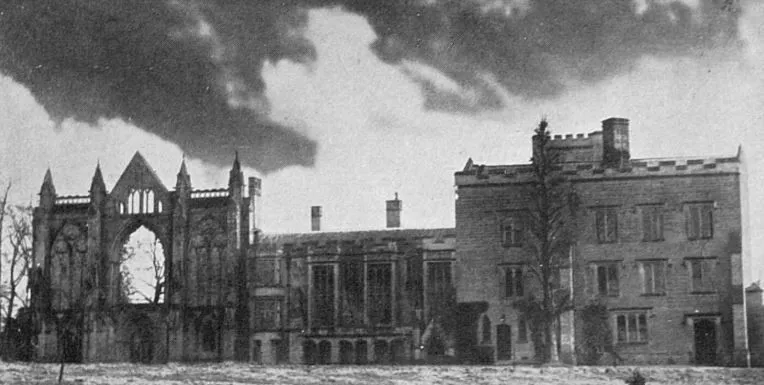
THROUGH thy battlements, Newstead, the hollow winds whistle;Thou, the hall of my fathers, art gone to decay;In thy once smiling garden the hemlock and thistleHave choked up the rose which late bloomed in the way.So wrote the poet Lord Byron, inspired by his ancestral home of Newstead Abbey. Using pages from the British Newspaper Archive, this blog will explore Byron’s affinity with the ancient building, and how Newstead Abbey beat the odds to survive until the
More on this topic:
This week we have added 70,450 new pages to The Archive, with two new and very important titles joining us from home and abroad.We have added an extensive run of pages to the Westminster Gazette, which was seen by some as ‘the most powerful paper in Britain.’ Established in 1893 by E.T. Cook, the Westminster Gazette was a liberal newspaper, which found its audience in London’s gentlemen’s clubs and was consequently known as a ‘clubland paper.’ Despite this audience being small,
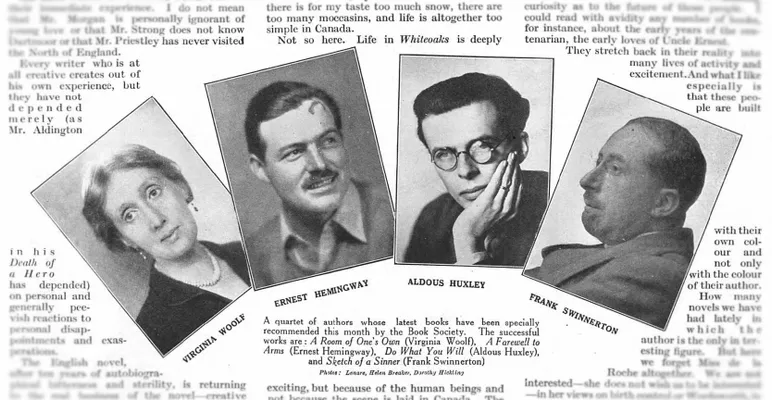
Novelist Edwin Muir attempted in 1926 to identify those writers who were ‘influencing the development of literature’ (Nottingham Journal, October 1926) in a series of essays entitled Transition. His choices, which included Virginia Woolf, James Joyce and D.H. Lawrence, amongst others, survived the test of time and as such represent the most celebrated authors of the modernist period.Graphic | 26 October 1929Using reviews taken from the pages of the British Newspaper Archive, and limiting our search to only those written in the 1920s,
More on this topic: