Skip to content

Blog

Tag: Lgbtq History
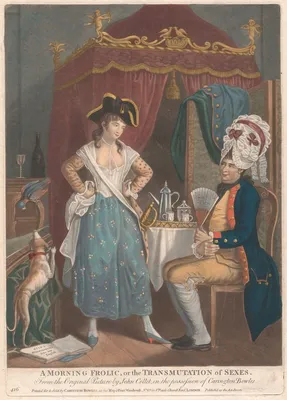
June is Pride Month. At The Archive, we are delving into the newspapers and pulling out the breadth of LGBTQ history available.Register now and explore The Archive18th Century Gay Subculture18th century London was home to a flourishing gay subculture with Molly Houses at the centre of the social scene. ‘Molly’ was a slur used for effeminate, homosexual men and the term was adopted to describe the clubs, taverns, inns, or coffee houses where they met up in
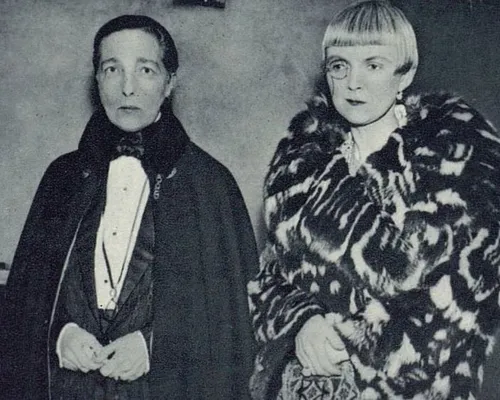
In 1928, novelist Radclyffe Hall published her seminal LGBTQ work The Well of Loneliness. Following the story of Stephen Gordon, an upper-class woman who finds love with one Mary Llewellyn and is consequently shunned by society, the work was groundbreaking in its lesbian subject matter.Radclyffe Hall | Graphic | 30 April 1927Although it was received favourably by many publications including the Daily Herald and Lady’s Pictorial, Sunday Express editor James Douglas began a campaign on 18 August 1928 to have Hall’s book banned – naming The
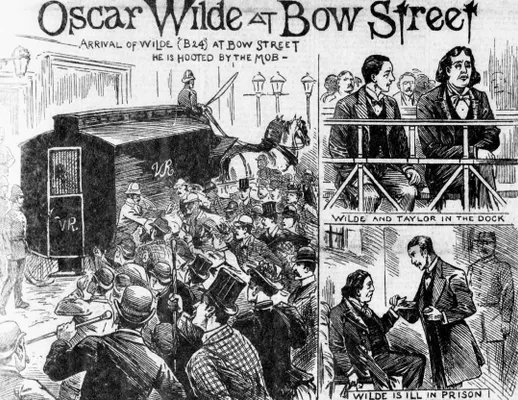
Described at the time in the pages of the Western Mail as ‘one of the most sensational events in the criminal annals of England,’ the arrest and prosecution of Oscar Wilde on charges of ‘gross indecency’ is a tragic chapter in LGBTQ history, and represents the wider persecution faced by the LGBTQ community at the time, as well as throughout the ensuing decades.Oscar Wilde | Illustrated London News | 27 February 1892In this special blog, we will explore how newspapers at the
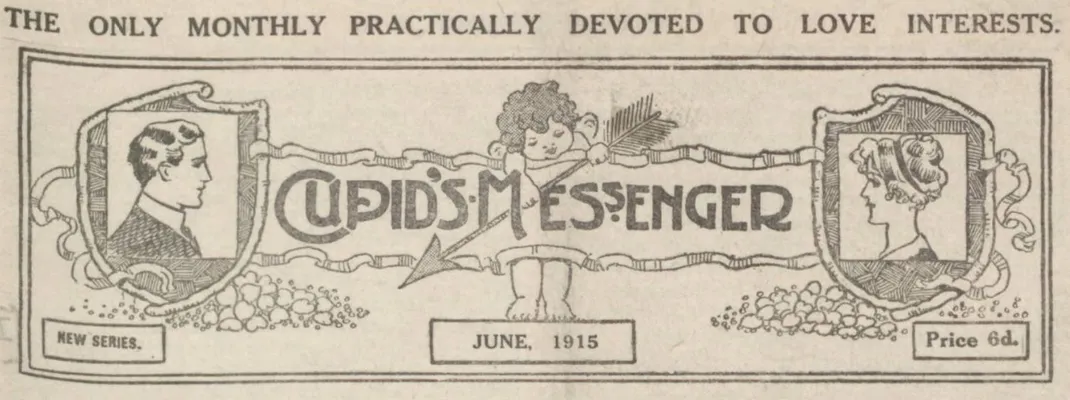
As part of our celebration of Pride Month, we are delighted to welcome a very special guest post from Vicky Iglikowski-Broad, who works as the Principal Diverse Histories Records Specialist at The National Archives. In this blog, Vicky Iglikowski-Broad explores one of the latest specialist titles to be added to the British Newspaper Archive, namely Link. Read on to discover more.Register now and explore The ArchiveAmongst the myriad of publications that developed in the early 20th century was
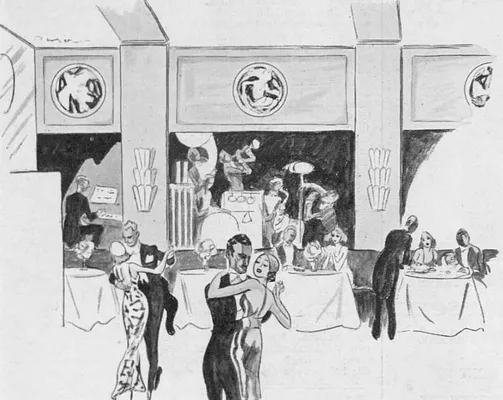
For just over a month in the summer of 1934, the Caravan Club in Endell Street, Holborn, was ‘London’s Greatest Bohemian Rendezvous.’ A safe space for society’s outcasts, it was a temporary haven for London’s marginalised LGBTQ community, home to an eclectic mix of clientele, from cabaret performers to bright young things.But in the early morning of 25 August 1934, the music ended. London’s Caravan Club was raided by the Metropolitan Police, whilst both its owners and members faced criminal charges.The
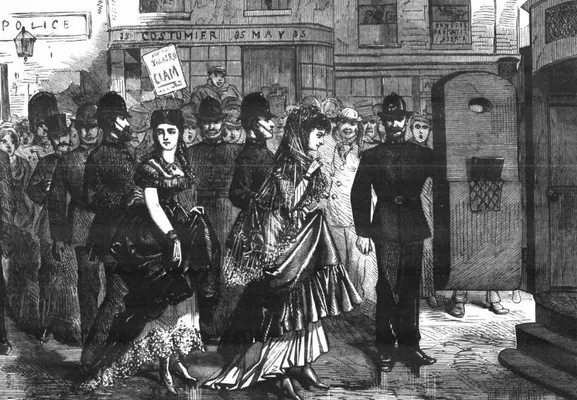
In 1870 Ernest ‘Stella’ Boulton and Frederick ‘Fanny’ Park were arrested, charged with ‘conspiring and inciting persons to commit an unnatural offence.’ The case caused a sensation; for, when arrested, Boulton and Park were wearing women’s clothes.From Bow Street Station to the Van, April 10th, 1870 | The Days’ Doings | 20 May 1871In this special blog, we take a look at this landmark trial and important chapter in LGBTQ history, and how it was reported at the time in the newspapers to be
More on this topic: